
How To
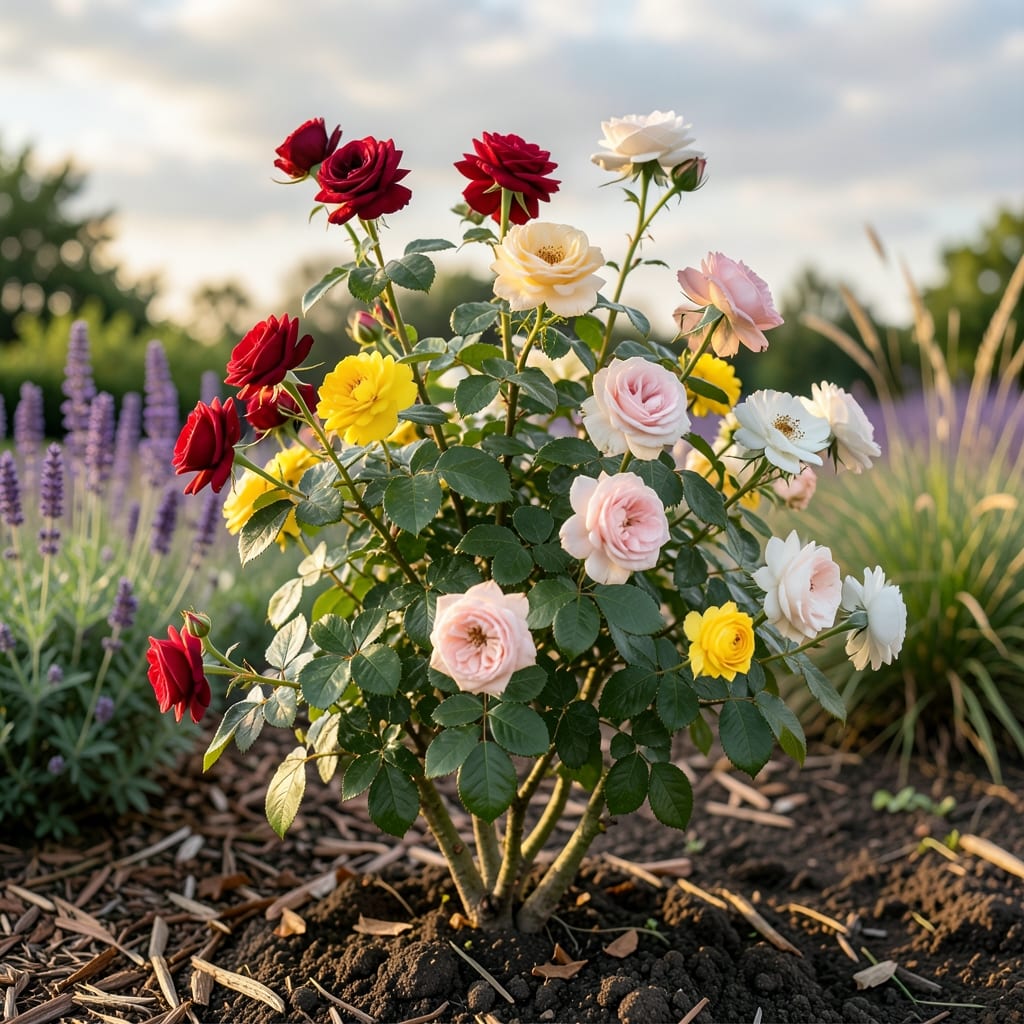
Curious about how tall your rose bush 🌹 could grow? The answer might surprise you—some varieties stretch over 15 feet while others stay compact, all depending on the type and care you provide.
If you’ve ever imagined a rose bush climbing your fence or trellis like a living masterpiece, you’re in the right place. The height of your rose isn’t just luck—it’s a mix of genetics, pruning techniques, and growing conditions that most gardeners overlook.
In this guide, I’ll break down the key differences between climbing roses, shrubs, and hybrid varieties, plus the pruning secrets that can either encourage sky-high growth or keep your rose bush neatly contained.
Ready to transform your garden? Let’s explore how to grow the perfect-sized rose bush for your space—whether you want a compact beauty or a towering centerpiece.


Rose bush height by variety: from compact to towering giants
When planning your garden, the height of a rose bush can make or break your design. Some varieties stay neatly contained at 3 feet, while others reach 20 feet or more with the right support. The difference? It’s all in the variety and its natural growth habit.
Climbing roses, for example, are the tallest rose bushes you’ll find, capable of scaling trellises, fences, or even old trees. Shrub roses, on the other hand, typically stay between 3 and 5 feet, perfect for borders or foundation plantings. Knowing these differences helps you choose the right rose for your space.
Here’s a quick breakdown of how rose bush height varies by type, including some surprising giants you might not know about:
| Variety | Height Range | Notes |
|---|---|---|
| Dwarf Roses | 1–3 ft | Ideal for containers or small gardens; low-maintenance. |
| Semi-Dwarf Roses | 3–5 ft | Versatile for borders or small hedges; popular for 'Knock Out' roses. |
| Standard Roses | 5–10 ft | Grafted onto tall stems; great for focal points or arbors. |
| Climbing Roses | 10–20+ ft | Needs strong support; 'Zephirine Drouhin' can reach 20+ feet! |
| Shrub Roses | 3–6 ft | Hardy and disease-resistant; 'Dr. Huey' stays compact at 3–4 ft. |
| Hybrid Tea Roses | 3–5 ft | Classic cut-flower roses; 'Mister Lincoln' grows to 5 ft. |
If you’re aiming for a tall rose bush, climbing varieties like 'New Dawn' (10+ feet) or 'Blaze' (12+ feet) are excellent choices. These roses thrive when trained on trellises or pergolas, turning your vertical space into a blooming masterpiece. For smaller gardens, dwarf roses or semi-dwarf varieties keep things manageable without sacrificing beauty.
One common misconception is that all roses need full sun to reach their maximum height. While sunlight is critical, soil quality and pruning practices also play a huge role. For instance, 'Knock Out' roses stay compact at 3–4 feet naturally, but if you prune them aggressively, they can grow wider instead of taller. Understanding these nuances helps you shape your roses to fit your garden’s vision.
For climate zones 6–9, most roses thrive, but cooler zones may see slightly slower growth. In warmer climates, roses like 'Iceberg' or 'Double Delight' can grow taller and bushier with consistent care. Always check the USDA hardiness zone for your specific variety to ensure it flourishes in your area.
Pro tip: If you’re growing a climbing rose, install a sturdy trellis or fence before planting. Roses with long canes need support from day one to avoid damaging stems as they grow. Think of it like teaching a child to climb—start early, and they’ll reach new heights with confidence!
Ready to pick the perfect rose for your space? Start by matching the mature height to your garden’s layout, and don’t forget to account for bloom season and maintenance needs. With the right variety, your rose bush could be the star of your outdoor show—literally towering over everything else! 🌹
Pruning secrets to control or maximize rose bush height
Pruning isn’t just about keeping your rose bush tidy—it’s the secret weapon for controlling or encouraging height. Whether you want a compact bush or a towering climber, the right cuts at the right time make all the difference. Many gardeners avoid pruning because they fear harming their roses, but with the correct techniques, you can shape growth without stressing the plant.
Timing is everything. For vertical growth, prune in late winter or early spring before new shoots emerge. This encourages the plant to focus energy upward. If you’re aiming for a bushier shape, prune after flowering to redirect growth outward. The key is to remove dead or weak canes first, then make clean cuts just above an outward-facing bud to guide future growth.
Here’s what you must avoid—these pruning mistakes can stunt growth or invite disease:
- Cutting too late in spring—new growth can’t harden before frost.
- Leaving stubs—always cut 1/4 inch above a bud for clean healing.
- Over-pruning—never remove more than 1/3 of the plant in one session.
- Using dull tools—ragged cuts invite disease and slow recovery.
🌹
For climbing roses, focus on selective pruning—remove only the oldest canes to encourage new growth. These varieties need strong support from day one, so install a trellis before planting. If you’re growing a standard rose (grafted onto a tall stem), prune the graft union area carefully to prevent suckers from forming lower down, which can weaken the plant.
Seasonal adjustments matter too. In summer, lightly trim to encourage repeat blooms, while in fall, reduce pruning to allow the plant to prepare for winter. Always sterilize your pruners with rubbing alcohol between cuts to prevent spreading disease. A sharp, clean cut heals faster and reduces stress on the plant.
Pro tip: If you’re training a rose to climb, tie new canes to the trellis as they grow. This prevents stem damage and encourages upward growth. For hedge-style roses, prune regularly throughout the season to maintain even height and shape. Remember, roses are resilient—they’ll reward your efforts with healthier growth and more abundant blooms!
Ready to transform your rose bush’s height? Start with a clear goal—whether it’s a compact bush or a sky-high climber—and prune with purpose. Your garden will thank you with roses that reach new heights, quite literally! ✂️