
Flowers
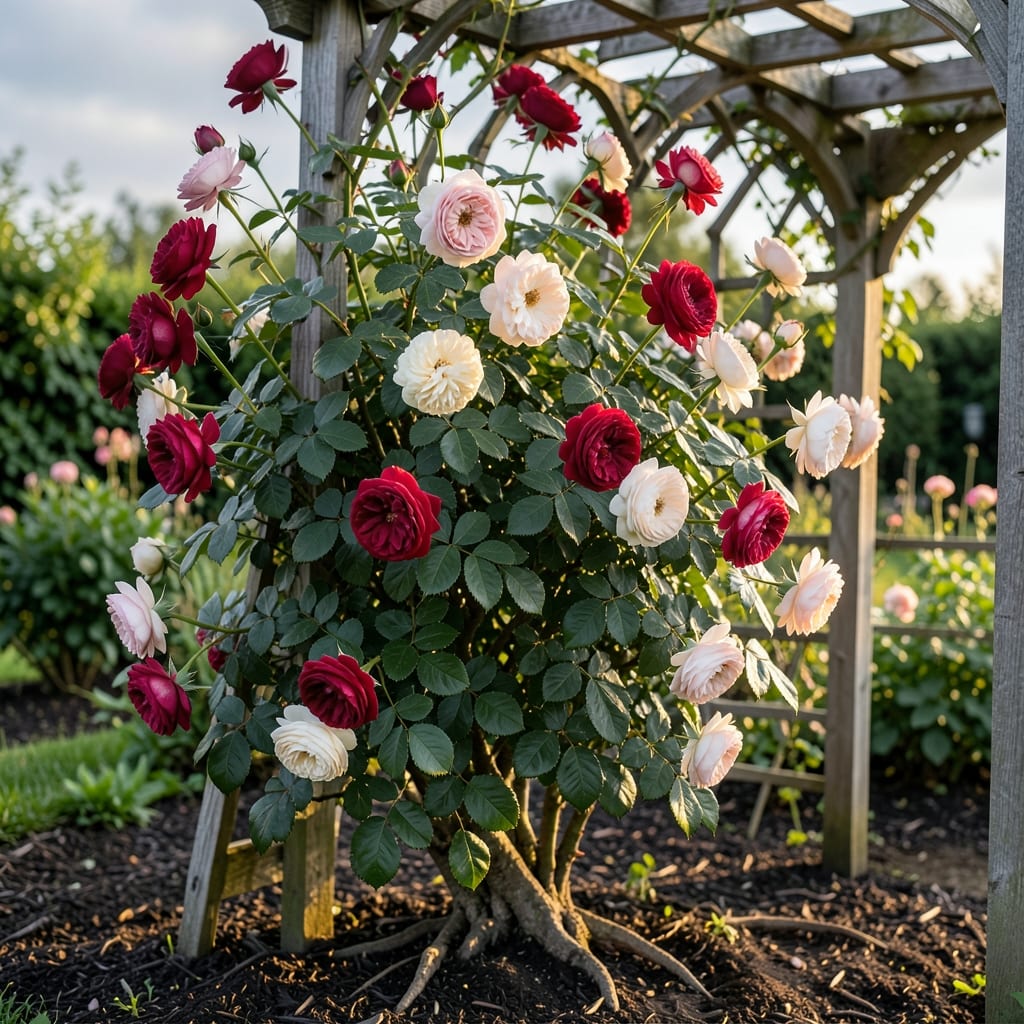
If you’ve ever wondered how tall your 🌹 rose can grow, the answer might surprise you—some varieties stretch skyward like nature’s own ladders, while others stay neatly contained in your garden bed. The height of a rose isn’t just about luck; it’s all about the type you choose, from towering climbers that reach 20 feet to compact shrubs that top out at 3 feet.
For gardeners in Zone 6a, where spring planting kicks off in April, selecting the right rose variety is key to managing its growth. Whether you’re dreaming of a romantic trellis or a low-maintenance border, understanding the differences between climbing and bush roses will help you plan your garden with confidence.
In this guide, I’ll break down the dramatic height variations—from miniature roses that fit in planters to climbing giants that need sturdy supports—and share practical tips to control their growth. You’ll learn how pruning, sunlight, and soil play a role in shaping your rose’s future height, so you can enjoy blooms without the chaos.
Ready to transform your garden with roses that fit your vision? Let’s dive into the world of rose heights and discover how to grow them to perfection—whether you want them reaching for the sky or staying cozy and compact.

Climbing roses: the sky-high varieties that reach 10-30 feet
If you’ve ever dreamed of roses cascading down a trellis like a living waterfall or reaching for the sky like a natural pergola, climbing roses are your answer. These varieties aren’t just tall—they’re architectural stars, capable of stretching 10 to 30 feet with the right support. Unlike their bush cousins, climbing roses grow long, flexible canes that latch onto structures, making them perfect for vertical gardening.
The key to their dramatic height lies in their growth habit. Climbers produce long, arching stems that need training on trellises, arbors, or fences. Without support, they’ll sprawl unpredictably, but with guidance, they’ll create stunning focal points in your garden. For gardeners in Zone 6a, planting in April gives them the full growing season to reach their impressive heights.
Popular climbing varieties like 'New Dawn' and 'Blaze' are known for their disease resistance and prolific blooms, making them ideal for beginners. Others, like 'Zephirine Drouhin', can climb 20 feet or more and produce clusters of delicate pink flowers. The right variety can transform any garden into a romantic retreat or a dramatic backdrop.
But how do you choose the perfect climber for your space? It’s not just about height—consider the bloom season, color palette, and whether you want repeat blooming or a single flush of flowers. For example, 'Climbing Iceberg' offers white blooms all season, while 'Mermaid' brings a splash of blue-purple hues that are rare in roses.
Here’s a quick look at some of the most impressive climbing roses and their mature heights:
| Variety | Mature Height | Bloom Season | Best For |
|---|---|---|---|
| 'New Dawn' | 15-20 ft | Repeat blooming | Arbors, pergolas |
| 'Blaze' | 12-15 ft | Repeat blooming | Fences, trellises |
| 'Zephirine Drouhin' | 20-30 ft | Late spring to fall | Large structures |
| 'Climbing Iceberg' | 10-12 ft | Repeat blooming | Containers, small trellises |
| 'Mermaid' | 15-20 ft | Late spring to fall | Vertical gardens |
To keep your climbing roses thriving, provide a strong support structure like a trellis, arbor, or fence. Train the canes gently to guide their growth upward, and prune in late winter to remove weak or crossing stems. This encourages healthier blooms and prevents the plant from becoming overcrowded.
One common mistake is assuming all climbing roses need the same support. Lightweight varieties like 'Climbing Iceberg' can thrive in containers with small trellises, while heavy climbers like 'Zephirine Drouhin' need sturdy metal or wooden structures to handle their weight. Always match the support to the rose’s mature size and growth vigor.
If you’re worried about overgrowth, don’t fret—pruning is your best friend. Regular pruning not only controls height but also boosts airflow, reducing the risk of disease. Aim to prune in early spring and again after the first bloom to shape the plant and encourage more flowers. With the right care, your climbing roses will reward you with years of stunning vertical beauty.
For those in Zone 6a, planting in April ensures your climbers have plenty of time to establish roots before winter. Mulch around the base to retain moisture and protect roots, and water deeply once a week during the growing season. With these tips, your climbing roses will reach their full potential—turning your garden into a breathtaking vertical oasis. 🌹
Bush roses: compact heights (2-6 feet) for small gardens and containers
If towering climbers aren’t your style, bush roses offer the perfect solution for small gardens, containers, and tight spaces. These compact varieties typically mature between 2 to 6 feet, making them ideal for borders, patio pots, or foundation plantings. Unlike their climbing cousins, bush roses grow in rounded, bushy forms, producing abundant blooms without needing vertical support. For gardeners in Zone 6a, planting in April gives them a full season to establish and thrive.
One of the biggest advantages of bush roses is their versatility. Whether you’re working with a dwarf variety that stays under 2 feet or a standard bush rose reaching 5-6 feet, you can easily tailor their height to your space. Popular choices like 'Knock Out' roses and 'David Austin' English roses are celebrated for their low-maintenance care and continuous blooms, making them perfect for both beginners and experienced gardeners.
But how do you choose the right bush rose for your garden? Start by considering your available space. A dwarf rose like 'Playboy' (1-2 feet tall) is perfect for containers or window boxes, while a semi-dwarf like 'Double Delight' (3-4 feet) adds height to garden beds without overwhelming smaller areas. For larger spaces, standard bush roses like 'Julia Child' (5-6 feet) create stunning focal points.
Bush Roses: Pros and Cons by Height
Dwarf (1-2 ft)
- Pros: Perfect for containers, low maintenance
- Cons: Limited height, may need staking
Semi-Dwarf (3-4 ft)
- Pros: Great for borders, repeat blooming
- Cons: Needs occasional pruning
Standard (5-6 ft)
- Pros: Dramatic focal point, abundant blooms
- Cons: Requires more space and pruning
To keep your bush roses looking their best, prune regularly to encourage bushier growth and more flowers. In late winter or early spring, cut back dead or weak canes and shape the plant to maintain its desired height. For container-grown roses, prune lightly after each bloom to promote continuous flowering. Always use clean, sharp pruners to make 45-degree cuts just above an outward-facing bud.
Another key to managing height is proper spacing. Bush roses need room to breathe—plant dwarf varieties 12-18 inches apart, semi-dwarfs 2-3 feet apart, and standard bushes 3-4 feet apart. This prevents overcrowding, which can lead to disease and reduced blooms. In Zone 6a, mulch around the base with organic matter to retain moisture and protect roots during winter.
For gardeners with limited space, container gardening is a game-changer. Choose large pots (15+ gallons) with drainage holes and use a high-quality potting mix to ensure healthy growth. Water deeply once a week during the growing season, and fertilize every 4-6 weeks with a balanced rose fertilizer. With the right care, your compact bush roses will reward you with years of vibrant blooms—perfect for adding color and charm to any garden. 🌿