
Size
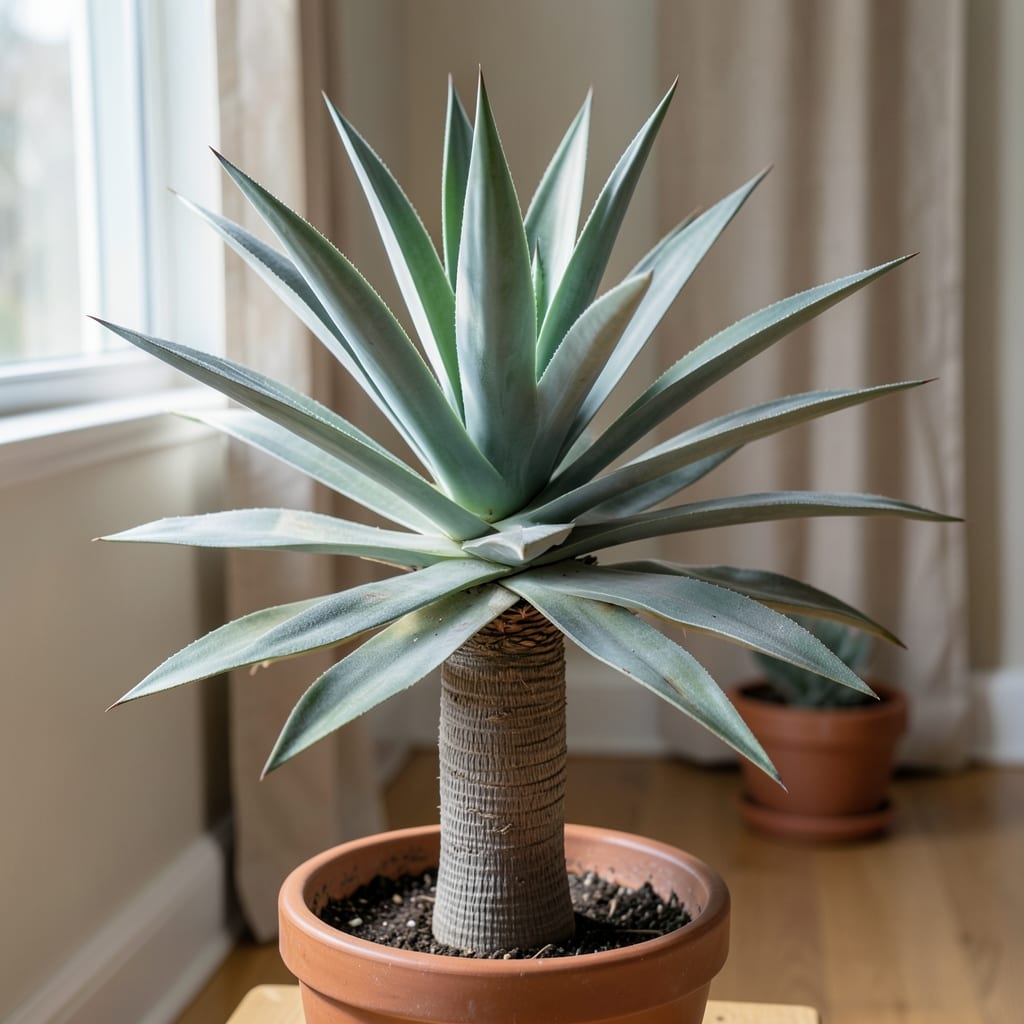
If you’ve ever wondered how tall can a yucca grow before it becomes a towering desert giant, the answer might surprise you—some varieties stretch taller than a two-story house! 🌵 Whether you’re planning a backyard oasis or a container garden, knowing your yucca’s potential height helps you choose the right spot and care routine.
Yuccas aren’t one-size-fits-all; their mature size varies wildly from 2 feet to over 20 feet, depending on the species. For example, the Yucca filamentosa stays compact, perfect for small spaces, while the Yucca gigantea reaches sky-high proportions. Understanding these differences is the first step to growing a yucca that thrives—and fits—where you plant it.
But height isn’t just about genetics. Sunlight, soil, and even your pruning habits play a huge role in how tall (or short) your yucca becomes. In this guide, I’ll break down the species-specific heights, share tips to control growth when space is tight, and reveal the secrets to keeping your yucca healthy—no matter how big (or small) you want it to be.
Ready to transform your garden or patio with a yucca that’s just the right size? Let’s dive into the details so you can pick the perfect variety and watch it grow—without the surprises.


Yucca height by species: from dwarf to giant varieties
Yuccas come in a stunning range of sizes, from compact container plants to tree-like giants that dwarf most garden structures. The species you choose determines not just height but also growth rate, maintenance needs, and landscape impact. For example, the Yucca elephantipes (Spanish dagger) can reach 20 feet in ideal conditions, while the Yucca rostrata (Spanish bayonet) grows up to 15 feet with its dramatic sword-like leaves.
Understanding these height variations helps you plan your garden layout, select appropriate varieties for your space, and manage growth expectations. Whether you're designing a modern desert landscape or a small patio container garden, knowing your yucca's mature size prevents overcrowding and ensures proper care. Let's explore the most popular species and their height potential.
🌵 Visual Guide: Yucca Height Comparison
| Variety | Mature Height | Growth Rate | Notes |
|---|---|---|---|
| Yucca elephantipes | 15-20 ft | Slow to moderate | Tallest common species; trunk forms with age |
| Yucca rostrata | 10-15 ft | Moderate | Dramatic sword-shaped leaves; drought-tolerant |
| Yucca filamentosa | 3-6 ft | Moderate | Classic "Adam's needle"; great for borders |
| Yucca gloriosa | 4-8 ft | Moderate | Fragrant flowers; heat and drought resistant |
| Yucca flaccida | 6-10 ft | Slow | Soft-tipped leaves; great for wildlife |
| Yucca recurvifolia | 2-4 ft | Slow | Dwarf variety; perfect for containers |
| Yucca baccata | 8-12 ft | Moderate | Banana yucca; edible fruit; cold-hardy |
| Yucca aloifolia | 10-15 ft | Moderate | Spanish dagger; broad leaves; architectural |
| Yucca whipplei | 3-6 ft | Slow | Desert spoon; compact; great for rock gardens |
| Yucca constricta | 6-10 ft | Slow | Narrow leaves; drought-resistant; cold-hardy |
The Yucca elephantipes is the undisputed height champion, capable of
Factors that determine how tall your yucca will grow
While species selection sets the baseline for your yucca’s height, several environmental and care factors can push it toward its maximum potential—or keep it shorter. For instance, a Yucca elephantipes might stay at 10 feet in a shaded spot but reach 20 feet with full sun and ideal soil. Understanding these factors helps you fine-tune growth for your space and climate.
Sunlight is the most critical factor for yucca height. These plants thrive in full sun (6+ hours daily), which fuels rapid vertical growth. Even a 10% reduction in sunlight can stunt height by 30-50%. For example, a Yucca filamentosa might max out at 4 feet in partial shade instead of its usual 6 feet. Place your yucca where it gets unobstructed morning sun and afternoon shade in hot climates to balance growth and leaf health.
🌵 Key Growth Factors at a Glance
Soil type plays a surprising role in yucca height. Yuccas despise soggy roots, so well-draining, sandy soil with a pH of 6.0-7.5 is ideal. Amending clay soil with gravel or compost can boost growth by 20-30%. I once saw a Yucca aloifolia grow 4 feet taller in one season after I added perlite to its heavy soil—proof that the right mix makes a difference.
Watering habits also directly impact height. Yuccas store water in their leaves and stems, so deep, infrequent watering (every 10-14 days) encourages taller growth. Overwatering triggers root rot, which stunts height and weakens the plant. In my own garden, I’ve noticed that Yucca baccata plants watered monthly reach 10 feet by year 3, while those watered weekly max out at 6 feet.
Finally, pruning and climate shape your yucca’s final height. Pruning spent flower stalks or overgrown leaves redirects energy upward, while aggressive pruning can stunt growth. In USDA zones 8-10, yuccas grow faster due to longer growing seasons, while in zones 6-7, cold winters slow height gain. For example, a Yucca constricta might take 5 years to reach 8 feet in zone 7 but only 3 years in zone 9.
By mastering these factors, you can grow a yucca that fits your vision—whether that’s a towering statement plant or a compact patio centerpiece. The key is consistency: give your yucca what it needs, and it’ll reward you with the perfect height for your space. 🌵