
Size
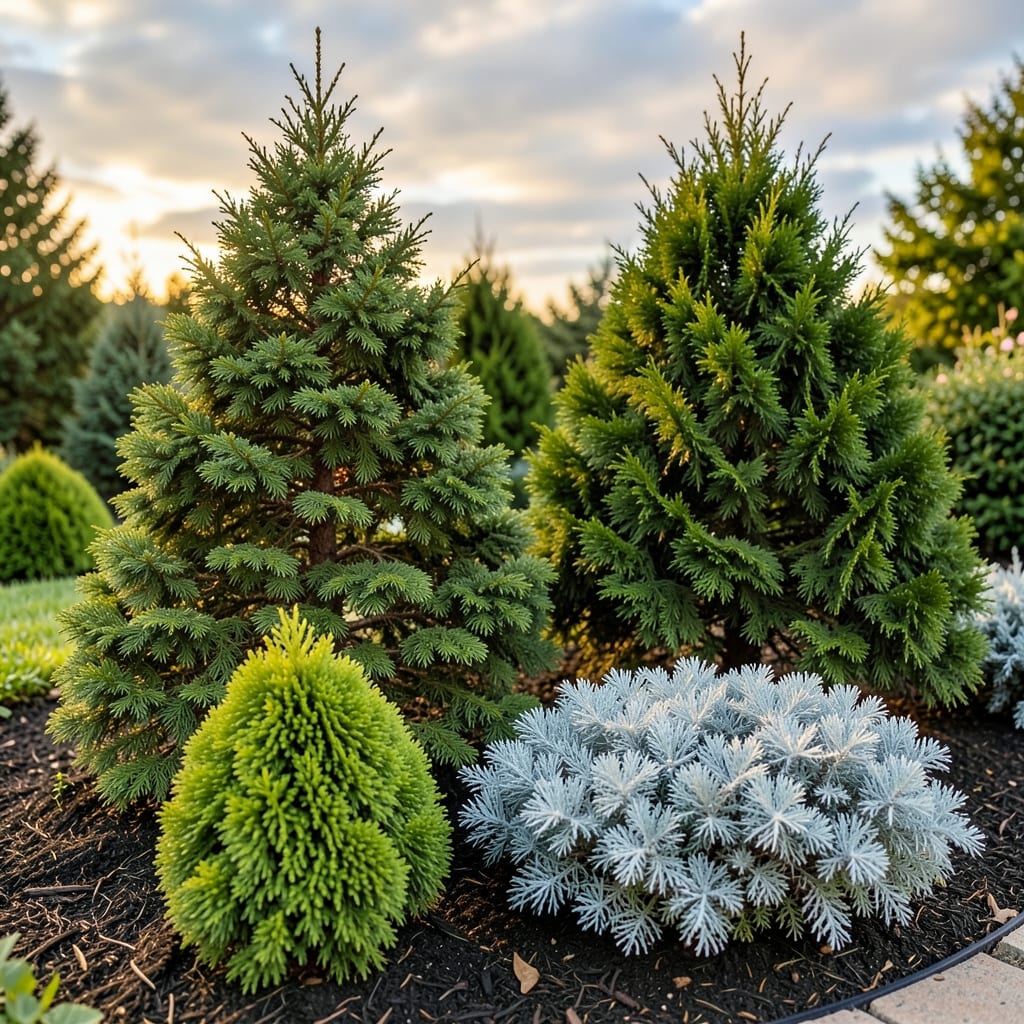
If you're planning to add an arborvitae 🌲 to your landscape, you might be wondering just how tall these evergreen giants can grow. The answer depends on the variety you choose, as some cultivars reach towering heights of 60 feet or more, while others stay compact and manageable.
For those dreaming of a fast-growing privacy screen, varieties like Green Giant or Leap Year arborvitae can shoot up 3-5 feet per year under ideal conditions, making them the fastest-growing options. But if space is limited, dwarf varieties like Emerald Green stay under 12 feet tall, perfect for smaller yards.
What you may not realize is that proper care—like well-drained soil, 6+ hours of sunlight, and strategic pruning—can make a big difference in how tall your arborvitae grows. Even the same variety can vary in height depending on where you live in USDA Zone 6a or beyond.
Whether you're aiming for a sky-high hedge or a neatly trimmed accent plant, understanding these growth patterns will help you pick the right arborvitae for your space. Let’s break down the details so you can plan with confidence.


Arborvitae height limits: fastest-growing varieties and their sky-high potential
If you're eyeing an arborvitae for your landscape, the first question is almost always: "How tall will it grow?" The answer varies dramatically by variety, with some reaching 60 feet or more while others stay neatly trimmed at 10 feet. Understanding these differences helps you choose the perfect fit for your space—whether you need a towering privacy screen or a compact accent plant.
Arborvitae growth isn't just about the final height—it's also about how fast they grow. Some varieties like Green Giant can add 3-5 feet per year in ideal conditions, while slower growers like Emerald Green might only gain 6-12 inches annually. Your climate, soil quality, and care routine all play a role in how quickly your arborvitae reaches its mature height.
For those in USDA Zone 6a or warmer, arborvitae thrive with 6+ hours of sunlight and well-drained soil. Even within the same zone, microclimates can affect growth rates—soil moisture, wind exposure, and nearby structures all influence how tall your tree becomes. Let’s break down the fastest-growing varieties and their sky-high potential to help you plan your landscape with precision.
🌲
| Variety | Mature Height | Annual Growth | Best For |
|---|---|---|---|
| Green Giant | 40-50 ft | 3-5 ft/year | Privacy screens, large yards |
| Leap Year | 30-40 ft | 2-4 ft/year | Fast privacy, medium spaces |
| Emerald Green | 10-15 ft | 6-12 in/year | Small yards, hedges |
| American Arborvitae | 30-45 ft | 1-3 ft/year | Wildlife habitat, large landscapes |
| Teddy Bear | 8-12 ft | 4-8 in/year | Dwarf hedges, containers |
The Green Giant arborvitae is the undisputed champion for height and speed, capable of reaching 50 feet in as little as 10-15 years with ideal care. This makes it a top choice for homeowners seeking a fast-growing privacy screen that blocks noise and wind while adding year-round greenery. If you're planting near a fence or property line, this variety will deliver results faster than almost any other.
For those with smaller yards or limited space, Emerald Green arborvitae is a game-changer. Despite its slower growth rate, it stays compact and lends itself perfectly to hedges, borders, or foundation plantings. Its narrow, columnar shape makes it ideal for tight spaces where taller varieties would overwhelm the landscape. Even in USDA Zone 6a, this variety thrives with minimal fuss.
If you're torn between speed and size, consider the Leap Year arborvitae. It strikes a balance, growing 2-4 feet annually while topping out around 30-40 feet. This makes it a versatile option for medium-sized yards where you want a privacy screen without waiting decades. Plus, its dense foliage provides excellent windbreaks and wildlife habitat.
One often-overlooked factor in arborvitae height is soil drainage. Poorly drained soil can stunt growth or even kill your tree, while well-amended soil with compost can accelerate growth by up to 30%. If your yard has heavy clay, consider planting in a raised bed or amending the soil with organic matter before installing your arborvitae.
🌿
How to control arborvitae height: pruning, spacing, and growth hacks for smaller yards
If you love the look of arborvitae but worry about them outgrowing your space, don’t fret! With the right techniques, you can keep these evergreens at your desired height while maintaining their lush appearance. The key lies in proper pruning, strategic spacing, and understanding growth patterns specific to your chosen variety.
For example, Green Giant arborvitae can grow 3-5 feet per year, but with regular pruning, you can limit its height to 15-20 feet—ideal for a privacy screen without overwhelming your yard. Meanwhile, Emerald Green varieties naturally stay compact, but even they benefit from light pruning to encourage bushier growth.
Before you start pruning, it’s crucial to plant your arborvitae in the right spot. Spacing matters: give tall varieties like American Arborvitae at least 6-8 feet of space between plants, while dwarf varieties need only 3-4 feet. Proper spacing prevents overcrowding, which can stunt growth and lead to disease.
Step-by-Step Pruning Guide for Arborvitae
- Choose the right time: Prune in late winter or early spring (before new growth starts). Avoid pruning in fall, as it can stress the tree.
- Use sharp tools: Always use clean, sharp pruners or shears to make clean cuts. Dull tools can tear branches and invite pests.
- Shape gradually: Remove no more than 25% of the foliage in a single pruning session. Thin out inner branches to improve air circulation.
- Focus on height control: For taller varieties, cut back the topmost growth by 1/3 to encourage bushier growth at the base.
- Clean up: Remove all clippings and sterilize your tools with rubbing alcohol to prevent the spread of disease.
Another way to control height is by topping your arborvitae—cutting the top growth to encourage a fuller, wider shape. However, this method works best on young trees and should be done sparingly to avoid stressing the plant. For mature trees, selective pruning of the upper branches will yield better results.
Don’t forget about soil and fertilization, too! Arborvitae thrive in well-draining soil with a slightly acidic pH (6.0-7.0). Adding a balanced fertilizer (5-10-10) in early spring can boost growth, but avoid over-fertilizing, which can lead to weak, leggy growth. Mulch around the base with organic matter to retain moisture and suppress weeds.
With these strategies, you can enjoy the beauty of arborvitae without worrying about them becoming unmanageable giants. Whether you’re aiming for a neat hedge, a privacy screen, or a statement centerpiece, proper care will keep your arborvitae looking its best—no matter how tall you want it to grow. 🌿