
Size
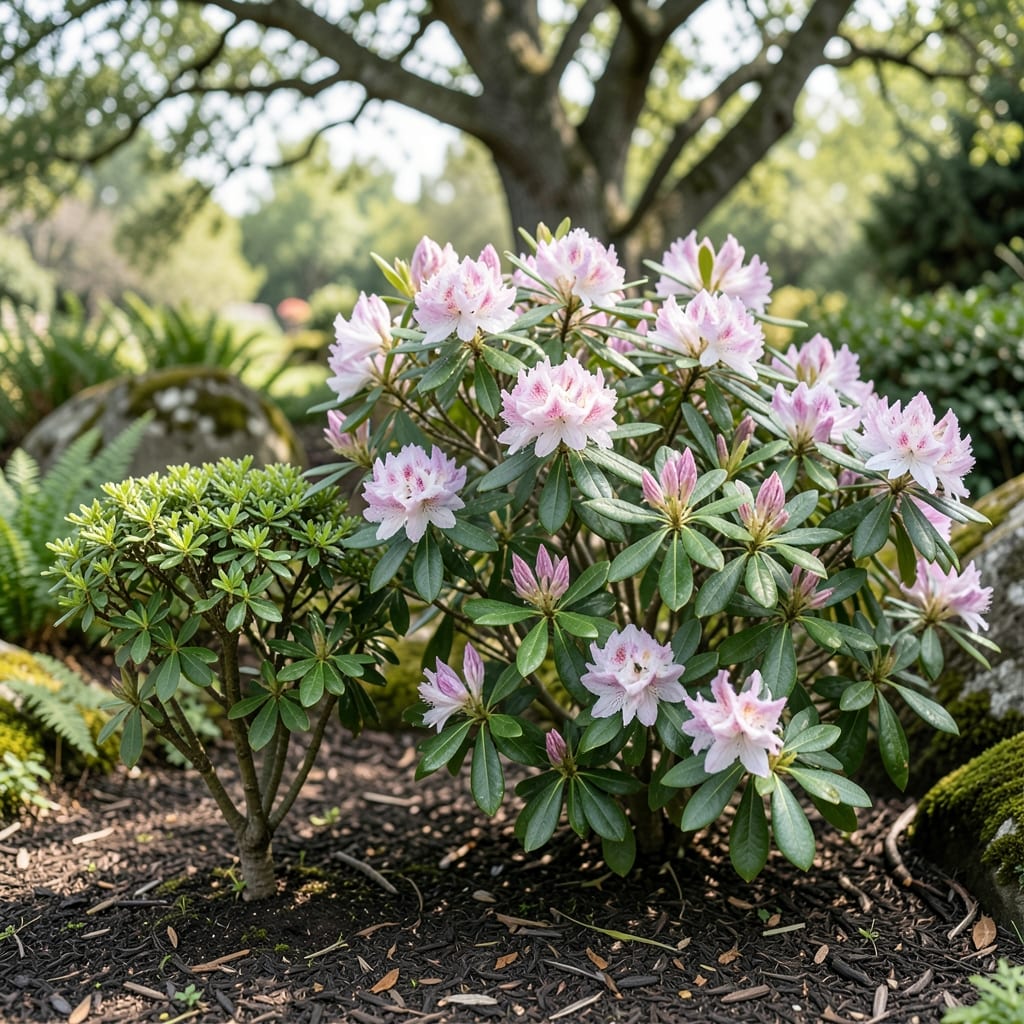
If you’ve ever wondered how tall azaleas can grow in your backyard—or if you’re dreaming of a dramatic floral display—you’re not alone. The answer lies in the stunning variety of azalea heights, ranging from compact dwarf shrubs to towering garden giants that can reach up to 12 feet tall.
Choosing the right azalea for your space isn’t just about aesthetics—it’s about matching the plant to your garden’s layout and sunlight conditions. Whether you’re working with a cozy patio or a sprawling landscape, knowing how tall azaleas grow helps you plan for long-term beauty without overcrowding.
From the delicate blooms of miniature varieties perfect for containers to the bold statement of standard shrubs, each type has its own growth story. I’ll break down the key factors—like soil, sunlight, and pruning—that shape an azalea’s height, so you can pick the perfect one for your vision.
Ready to transform your garden? Let’s explore how to select and nurture azaleas that thrive at just the right height for your space.


Azalea height ranges by variety: from dwarf to giant shrubs
Azaleas come in a breathtaking array of heights, making them incredibly versatile for any garden. The mature height of an azalea can vary dramatically depending on the variety, with some staying as small as 1 foot while others soar to 12 feet or more. Understanding these size differences helps you choose the perfect azalea for your space, whether it's a container garden or a sprawling landscape.
For example, dwarf azaleas like 'Little Jim' or 'P.J.M.' typically max out at 2 to 3 feet, making them ideal for window boxes, patio pots, or rock gardens. These compact varieties are perfect if you're working with limited space but still want vibrant blooms. On the other end of the spectrum, standard azaleas like 'Girard's Pink' or 'Formosa' can reach 6 to 12 feet, creating stunning focal points in foundation plantings or woodland gardens.
Here’s a quick breakdown of azalea height categories to help you visualize what to expect:
| Variety Type | Mature Height | Best For |
|---|---|---|
| Dwarf Azaleas | 1–3 ft | Containers, borders, rock gardens |
| Semi-Dwarf Azaleas | 3–6 ft | Foundation plantings, shrub beds, mixed borders |
| Standard Azaleas | 6–12 ft | Specimen plants, woodland gardens, privacy screens |
| Giant Azaleas | 10–15+ ft | Large landscapes, naturalized areas, focal points |
If you're a fan of compact gardens, consider evergreen azaleas like 'Hino Crimson' or 'Bow Bells,' which stay under 3 feet but pack a punch with their bright blooms. These varieties are perfect for adding color to small spaces without overwhelming them. For a more dramatic look, deciduous azaleas like 'Knock Out' series can grow up to 5 to 6 feet and thrive in full sun, making them a great choice for sunny borders or hedges.
One of my favorite mid-sized options is the 'Southern Indica' variety, which typically reaches 4 to 5 feet at maturity. This height makes it versatile for mixed shrub beds or as a backdrop for perennials. It’s also known for its long bloom season, which can last from late spring to early summer, providing continuous color.
For those with larger properties, giant azaleas like 'Rhododendron maximum' (also called Great Laurel) can grow 10 to 15 feet tall and create a wild, natural look in wooded areas. These varieties are perfect if you're aiming for a wildflower meadow or a shady woodland garden. Just be prepared for their sprawling roots and the need for regular pruning to maintain their shape.
When selecting azaleas, always check the specific variety's growth habits. Some azaleas, like the 'Encore Azaleas', are bred to bloom multiple times a year and can grow 3 to 5 feet tall. These are fantastic for extended color displays and work well in urban gardens where space is limited but visual impact is key.
Pro tip: If you're unsure about the final height, check the plant tag or consult a local nursery. They can provide insights into how a particular variety performs in your climate zone and soil conditions. For example, azaleas in Zone 7 might grow slightly taller than those in Zone 5 due to warmer temperatures and longer growing seasons.
Remember, azaleas are slow-growing shrubs, so their height will develop gradually over several years. With proper care, you can enjoy their vibrant blooms and lush foliage for decades, making them a worthwhile investment for any garden.
How to choose the right azalea size for your garden space
Selecting the perfect azalea for your garden isn’t just about admiring their stunning blooms—it’s about matching their mature height to your space. A 3-foot dwarf azalea planted in a large backyard will look lost, while a 12-foot giant in a container garden will overwhelm. The key is aligning the variety with your garden’s layout, sunlight, and maintenance goals.
Start by measuring your available space. For small gardens or container plantings, prioritize dwarf varieties like 'Little Jim' (2-3 ft) or 'P.J.M.' (3 ft). These thrive in window boxes or patio pots and add color without clutter. In contrast, standard azaleas like 'Girard’s Pink' (6-12 ft) shine in foundation plantings or as privacy screens along fences.
Here’s how to match azalea sizes to your garden’s needs:
- 🌱 Dwarf (1–3 ft): Perfect for containers, rock gardens, or small borders. Ideal if you love frequent blooms in tight spaces.
- 🌿 Semi-Dwarf (3–6 ft): Versatile for foundation plantings, mixed borders, or hedges. Balances height and spread for medium-sized gardens.
- 🌳 Standard (6–12 ft): Make a bold statement as specimen plants or woodland garden anchors. Requires space but offers year-round interest.
- 🌲 Giant (10–15+ ft): Best for large landscapes or naturalized areas. Think of them as living sculptures for shady corners.
Sunlight exposure plays a crucial role in height control. Evergreen azaleas like 'Hino Crimson' (3 ft) prefer partial shade and stay compact, while deciduous varieties like 'Knock Out' (5-6 ft) tolerate full sun and grow taller. If your garden is sunny and open, opt for sun-loving azaleas but prune them annually to manage height. For shady spots, dwarf or semi-dwarf types will thrive without stretching.
Don’t overlook spacing recommendations. Plant dwarf azaleas 2–3 feet apart, semi-dwarf types 4–5 feet apart, and standard azaleas 6–8 feet apart to allow airflow and prevent disease. Overcrowding can stunt growth or lead to pests like lacewings, which thrive in dense, humid conditions. Pro tip: Group azaleas with companion plants like ferns, hostas, or heucheras to create layered, textured beds without competing for space.
Consider your maintenance preferences too. Taller azaleas need regular pruning to shape them and encourage blooms, while dwarf varieties require minimal upkeep. If you’re new to gardening, start with low-maintenance varieties like 'Encore Azaleas' (3-5 ft), which bloom multiple times a year and tolerate urban conditions well. For a hands-off approach, evergreen azaleas like 'Bow Bells' (3 ft) provide year-round color with little effort.
Finally, think long-term. Azaleas are slow growers, so their height will evolve over years. If you’re planning a newly landscaped area, choose a variety that will fit your vision in 5–10 years. For example, a 4-foot azalea today might reach 6 feet in a decade—so leave room to grow! With the right variety, your garden will flourish with seasonal blooms and textural contrast for decades to come.