
Trees
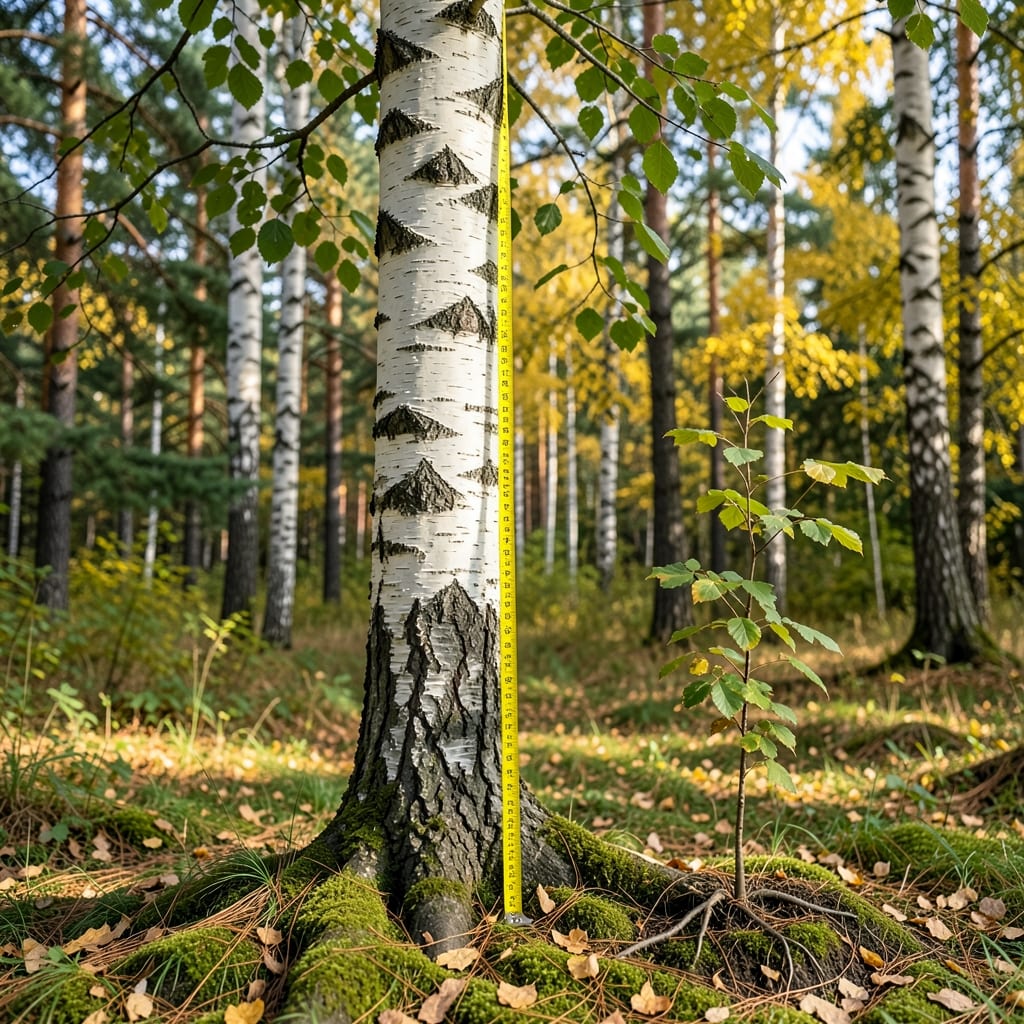
If you're wondering how tall can birch trees grow, the answer might surprise you—some varieties stretch over 100 feet while others stay compact enough for small yards. That white-barked beauty you love could become a towering shade provider or a delicate ornamental feature, depending on the species you choose.
Birch trees are famous for their fast growth and striking bark, but their mature height varies wildly. Whether you're planning a privacy screen or a statement tree, knowing the growth potential of different birch species helps you make the right choice for your space and climate. Let’s explore the tallest varieties and how to maximize their growth.
From the towering Paper Birch reaching 70 feet to dwarf varieties that top out at just 20 feet, birch trees offer options for every landscape. The key to getting the height you want lies in selecting the right species and providing the ideal growing conditions. Ready to discover which birch tree fits your vision?
In this guide, we’ll break down the fastest-growing varieties, how quickly they reach maturity, and the best practices for planting and care. Whether you're a seasoned gardener or just starting, these insights will help you grow a birch tree that perfectly matches your goals.


Birch tree height by species: from dwarf varieties to towering giants
When planning your landscape, knowing how tall can birch trees grow is crucial—especially since some species become skyscrapers while others stay manageable. The Paper Birch (Betula papyrifera), for example, often reaches 50-70 feet at maturity, making it a stunning shade tree but requiring ample space. Meanwhile, the Dwarf White Birch (Betula pendula 'Fastigiata') stays a modest 15-25 feet, perfect for small gardens.
Birch trees are divided into three height categories: dwarf (under 25 ft), semi-dwarf (25-40 ft), and standard (40+ ft). Your choice depends on your yard size, sunlight exposure, and long-term vision. Let’s explore the most popular species and their growth potential to help you decide.
Here’s a quick comparison of the most common birch species and their mature heights. This table highlights their ideal climates and growth rates, so you can match the right tree to your landscape needs.
| Species | Mature Height (ft) | Growth Rate (ft/year) | Ideal USDA Zone | Best For |
|---|---|---|---|---|
| Paper Birch | 50-70 | 1-2 | 3-7 | Shade, ornamental bark |
| Yellow Birch | 70-90 | 1-1.5 | 4-8 | Large properties, wildlife habitat |
| River Birch | 40-60 | 2-3 | 3-9 | Wet soils, erosion control |
| White Birch | 40-50 | 1-2 | 2-6 | Small yards, urban landscapes |
| Dwarf White Birch | 15-25 | 0.5-1 | 3-7 | Containers, small gardens |
| Gray Birch | 30-40 | 1-1.5 | 3-6 | Pioneer plantings, wild areas |
The River Birch stands out as one of the fastest-growing birch trees, often adding 2-3 feet per year in ideal conditions. This makes it a top choice if you want a tall tree quickly without waiting decades. Meanwhile, the Yellow Birch grows more slowly but reaches impressive heights, making it ideal for large estates or wooded areas.
For small spaces, the Dwarf White Birch is a game-changer. Its compact size and striking bark make it perfect for containers or as a focal point in tight gardens. Just remember, even dwarf varieties need space for their roots to spread—avoid planting them too close to sidewalks or foundations.
If you’re unsure which species to choose, consider your local climate and soil type. Birch trees thrive in well-draining soil with full sun to partial shade, but some, like the River Birch, tolerate wetter conditions. Always check your USDA zone to ensure the species you pick will flourish in your area.
Pro tip: When planting, dig a hole twice as wide as the root ball but no deeper. This encourages root expansion and faster growth. Mulch around the base to retain moisture and protect roots from temperature swings.
Fastest-growing birch trees: how quickly they reach mature height
If you're eager to see your birch tree grow tall in record time, some varieties will impress you with their speed. River birch and white birch are among the fastest-growing species, often reaching 2-3 feet per year under ideal conditions. This rapid growth means you could see a 30-foot tree within just 10 years, making them perfect for quick privacy screens or shade solutions.
For those with limited space, dwarf varieties like the Cope's birch grow more slowly but still reach 15-25 feet over 15-20 years. Even these smaller trees offer a striking presence with their distinctive bark and foliage. The key to maximizing growth speed lies in providing the right conditions—well-draining soil, full sun exposure, and consistent moisture.
River Birch
Grows 2-3 ft/year in ideal conditions. Perfect for wet soils and fast shade.
White Birch
Reaches 1-2 ft/year with proper care. Loved for its peeling white bark.
Yellow Birch
Grows 1-1.5 ft/year. Thrives in cooler climates with moist, acidic soil.
To encourage rapid growth, start with a well-aerated planting site and mulch around the base to retain moisture. Water deeply once a week during the first growing season, then adjust based on rainfall. Avoid over-fertilizing, as birch trees prefer moderate nutrients over heavy feeding. Prune in late winter to remove dead branches and encourage upward growth.
Remember, even the fastest-growing birch trees need patience. While River birch might hit 30 feet in a decade, it could take 20 years to reach its full 50-foot potential. Planning ahead ensures your tree has room to grow without crowding other plants or structures. With the right care, your birch tree will become a stunning focal point in your landscape.