
Size
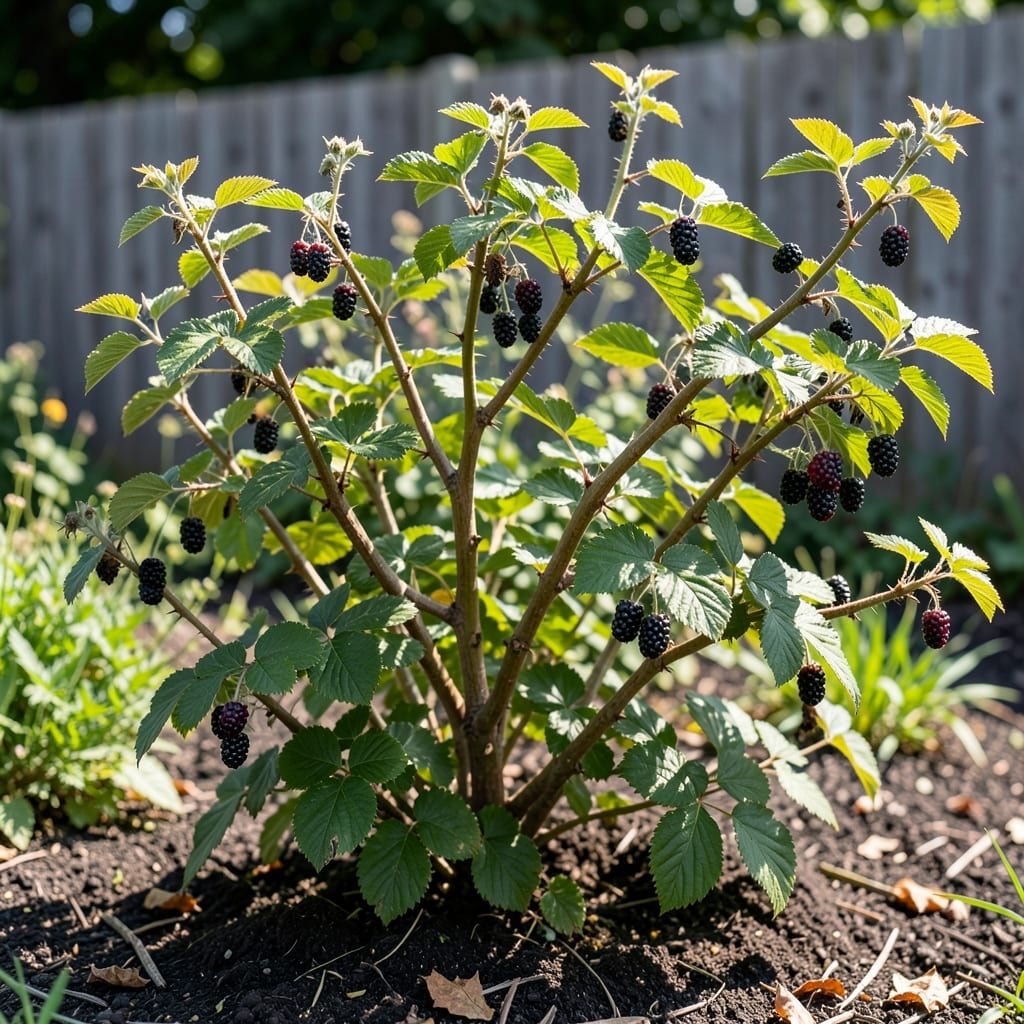
If you’ve ever wondered how tall blackberry bushes can grow—whether they’ll stretch toward the sky like a jungle vine or stay neatly contained in your garden bed—the answer depends on one key factor: the variety you’re growing. Some blackberry plants 🫐 can soar to 12 feet or more, while others stay compact at just 3-5 feet. The difference isn’t just about genetics—it’s also about how (and when) you prune them.
For home gardeners in USDA Zone 6a, knowing these height ranges is critical because it directly impacts where you plant them, how much space to allocate, and whether you’ll need a sturdy trellis. A thornless variety, for example, might climb higher without support, while a semi-erect type could sprawl unless guided. Without the right approach, even the most manageable bushes can turn into unruly giants.
What’s even more surprising? The height of your blackberry plants can shift dramatically from year to year. In their first season, they might barely reach 2-4 feet, but by their third year, they could double—or even triple—that height if left unchecked. That’s why understanding the growth patterns of your specific variety is the first step to keeping them productive and under control.
In this guide, I’ll break down the height ranges for popular blackberry types, share pruning secrets to cap their growth, and explain how to train them vertically for easier harvesting. Whether you’re dealing with a trailing vine or a bushy variety, you’ll leave here with a clear plan to manage their size—without sacrificing those juicy, summer-ripe berries.


Blackberry bush height by variety: from dwarf to giant varieties
Blackberry bushes come in a stunning range of heights, from compact dwarf varieties that stay under 5 feet to towering standard varieties that can reach 12 feet or more. The exact height depends on the variety, growing conditions, and—most importantly—your pruning habits. Let’s break down the height ranges by type so you can choose the perfect blackberry for your space.
First, it’s crucial to understand the two main growth types: floricane (summer-bearing) and primocane (everbearing). Floricane varieties produce fruit on second-year canes and typically grow taller, while primocane varieties fruit on first-year canes and often stay shorter. Your choice between these types will directly impact how tall your blackberry bushes will grow.
Here’s a quick comparison to set expectations: Dwarf varieties are ideal for small gardens or containers, while standard varieties thrive in larger spaces with trellising. Even within these categories, some varieties can vary by 3-4 feet in mature height, so selecting the right one for your yard is key.
🌱
| Variety Type | Height Range | Growth Habit | Best For |
|---|---|---|---|
| Dwarf Varieties | 3–5 ft | Compact, semi-erect | Small gardens, containers, urban yards |
| Semi-Dwarf Varieties | 5–8 ft | Semi-trailing, needs light support | Balconies, small trellises, fence lines |
| Standard Varieties | 8–12 ft | Trailing, vigorous | Large gardens, trellises, rural spaces |
| Everbearing (Primocane) | 4–7 ft | Semi-erect to trailing | Extended harvest seasons, small spaces |
| Thornless Varieties | 5–10 ft | Trailing or semi-erect | Family-friendly gardens, easy harvesting |
If you’re wondering how quickly blackberry bushes grow, here’s a general timeline: In their first year, most varieties reach 2–4 feet. By year two, they’ll shoot up to 4–6 feet, and by year three, many standard varieties will hit their mature height of 8–12 feet. This rapid growth is one reason why pruning is so critical—it keeps your bushes manageable and productive.
For example, the Cheyenne variety is a popular thornless blackberry that typically grows 5–7 feet tall, making it perfect for smaller yards or trellises. On the other hand, the Natchez variety can easily exceed 10 feet if left unpruned, which is why it’s best suited for large spaces or trellis systems.
Another factor influencing height is the rootstock used. Some blackberries are grafted onto stronger rootstocks, which can accelerate growth and increase mature height. If you’re planting from bare-root canes, check the variety’s description to see if it’s known for vigorous growth.
🌿
One common misconception is that all blackberry bushes will grow to their maximum height without intervention. In reality, pruning can reduce height by 30–50% if done correctly. For instance, if you prune aggressively in late winter, a 10-foot Natchez bush can be kept around 6–8 feet tall while still producing abundant fruit. This is especially useful if you’re growing blackberries along a fence or in a small garden.
If you’re planning to grow blackberries in containers, opt for dwarf or semi-dwarf varieties like ‘Arapaho’ or ‘Ouachita’, which stay under 5 feet. These varieties are also great for balcony gardens or raised beds, where space is limited. Just ensure your container is at least 18–24 inches deep to accommodate the root system.
For those with larger spaces, standard varieties like ‘Triple Crown’ or ‘Black Satin’ are excellent choices, but they’ll need trellising or strong support to handle their weight. Without proper support, these varieties can sprawl up to 12 feet wide, which is why many gardeners install a T-post trellis system or use existing fences for support.
🪴
Pruning rules to control blackberry bush height & productivity
Pruning isn’t just about keeping blackberry bushes from becoming unruly giants—it’s the secret to bigger fruit, healthier canes, and easier harvesting. The right pruning technique can reduce a 12-foot Natchez bush to a manageable 6-8 feet while doubling your berry yield. But timing and method matter: prune at the wrong time, and you’ll sacrifice next year’s crop.
For summer-bearing varieties (like Triple Crown), the best time to prune is late winter or early spring, just before new growth begins. This removes old, fruitless canes and encourages vigorous new shoots. Everbearing varieties (like Prime-Ark Freedom) require a gentler approach—prune lightly in late winter and again in summer to control height while preserving fruit production.
🌱
- 1 Identify old vs. new canes: Cut back all thin, gray canes (last year’s growth) to the ground. These won’t produce fruit.
- 2 Keep 6-8 strong canes: Select the thickest, healthiest canes (1-inch diameter) and prune others to the base. This prevents overcrowding.
- 3 Trim suckers: Remove shoots growing from the roots (suckers) to direct energy to the main plant. Use clean, sharp pruning shears.
- 4 Shape for airflow: Prune to create an open center (like a vase shape) to improve sunlight and airflow, reducing disease risk.
- 5 Summer pruning (everbearing): After harvest, trim last year’s canes to encourage new fruit-bearing canes for next season.
One of the biggest mistakes gardeners make is pruning too late in the season. If you wait until spring (after buds swell), you’ll remove next year’s fruit-bearing canes. Always prune before buds break—typically in February or March in USDA Zone 6a—to avoid this costly error.
For thornless varieties like Cheyenne, pruning is even more critical because their lack of thorns makes them prone to sprawling and tangling. Use a 3-tier trellis system and prune aggressively to keep them under 6 feet tall. This not only saves space but also makes harvesting a breeze—no more bending over tangled vines!
🪴
If you’re dealing with a wild blackberry (like those invasive brambles), prune using the “three-cut method” to avoid spreading roots. First, cut the cane at the base, then make a second cut 12 inches above the ground, and finally a third cut 6 inches above the second cut. This prevents regrowth while minimizing root disturbance.
Pro tip: Sterilize your pruning tools with rubbing alcohol between cuts to prevent spreading bacterial canker or anthracnose disease. A quick wipe-down takes just 30 seconds but can save your entire bush from infection. And always prune on a dry, sunny day to reduce stress on the plant.
💧