
Trees
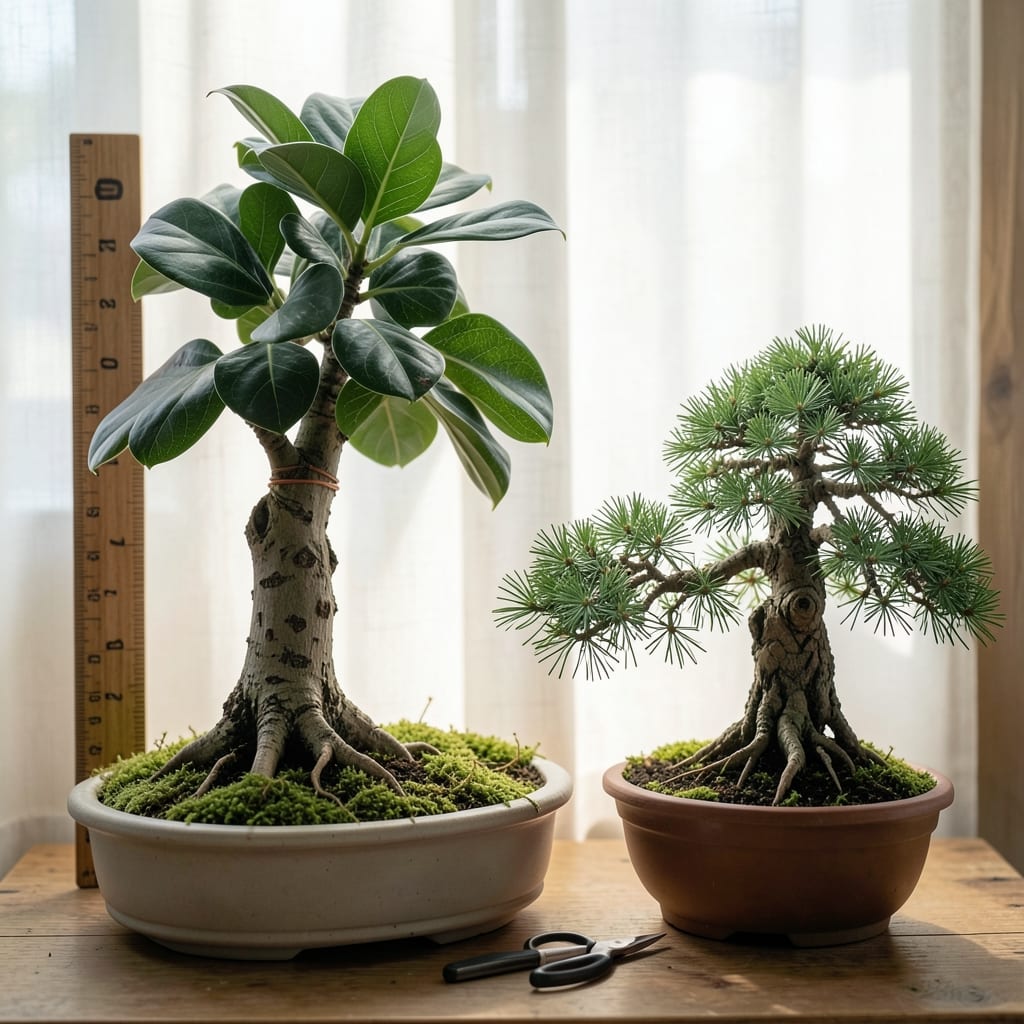
Ever wondered how tall that delicate bonsai tree 🌳 on your desk could grow if left to its own devices? The answer might surprise you—these miniature masterpieces can range from tiny tabletop treasures to impressive floor-standing giants, all thanks to careful training and species selection.
Most bonsai enthusiasts keep their trees between 1 and 3 feet tall, but with the right techniques, some varieties can stretch much taller. Whether you're dreaming of a compact desk companion or a bold statement piece, understanding the growth potential of your bonsai tree is the first step to achieving your vision.
In this guide, I’ll break down the natural height ranges of popular bonsai species, explain how pruning and training shape their size, and reveal whether you can actually grow a "giant" bonsai—spoiler: it’s possible, but it takes patience and precision.
Ready to discover how to control your bonsai’s height and create the perfect living art piece? Let’s dive into the secrets of bonsai growth and find the ideal size for your space and style.


Natural height ranges of common bonsai tree species
When I first started growing bonsai, I assumed all varieties stayed under 2 feet tall—but that couldn't be further from the truth! The height of your bonsai tree depends entirely on the species you choose. Some stay compact enough for a desk, while others grow tall enough to rival small shrubs. Let’s explore the natural height ranges of popular bonsai species so you can pick the perfect fit for your space.
The key to understanding bonsai heights is comparing their cultivated size (what you’ll train them to be) versus their natural mature height in the wild. For example, a juniper bonsai might max out at 2 feet, but its outdoor cousin can reach 30 feet! This dramatic difference is what makes bonsai so fascinating—and challenging.
Here’s a quick look at how some of the most popular bonsai species compare in height. Whether you’re working with a beginner-friendly ficus or a high-maintenance azalea, knowing these ranges will help you set realistic expectations for your tree’s growth.
| Species | Cultivated Height Range | Natural Mature Height | Growth Rate | Ideal For |
|---|---|---|---|---|
| Japanese Black Pine (Pinus thunbergii) | 1–3 feet | 30–50 feet | Slow to moderate | Experienced growers, outdoor bonsai |
| Ficus (Ficus retusa) | 1–4 feet | 30–50 feet | Moderate | Beginners, indoor/outdoor |
| Juniper (Juniperus procumbens) | 0.5–2 feet | 20–30 feet | Slow | Shohin styles, small spaces |
| Trident Maple (Acer buergerianum) | 2–5 feet | 20–30 feet | Moderate | Large containers, bold styles |
| Azalea (Rhododendron spp.) | 1–3 feet | 6–10 feet | Slow | Flowering bonsai, humid climates |
| Chinese Elm (Ulmus parvifolia) | 1–4 feet | 40–60 feet | Fast | Fast growers, large containers |
As you can see, the Chinese elm is one of the fastest-growing bonsai species, making it a great choice if you’re eager to see quick results—but be warned, it can easily outgrow its container if not pruned regularly. On the other hand, juniper bonsai trees grow slowly, which is perfect if you’re aiming for a shohin-style (tiny, under 6 inches) tree that requires patience and precision.
If you’re working with limited space, like a desk or shelf, I recommend sticking to species like juniper, ficus, or dwarf pomegranate. These varieties thrive in smaller containers and are easier to keep compact. For larger displays, trident maple or Chinese elm can make stunning centerpieces, especially if you’re aiming for a floor-standing bonsai.
One common misconception is that all bonsai trees stay under 3 feet. While that’s true for many, some advanced growers cultivate \"giant\" bonsai that reach 6 feet or more—we’ll dive deeper into that in the next section! For now, focus on selecting a species that matches your skill level and the space you have available.
Pro tip: Always choose a container that’s 1/3 the height of your desired bonsai size. For example, if you want a 2-foot tree, use a pot that’s about 8 inches tall. This rule helps prevent root-bound issues and keeps your tree stable.
When most people picture a bonsai tree, they imagine a delicate, tabletop-sized specimen that fits perfectly on a desk or shelf. But the truth is far more surprising—bonsai can range from palm-sized miniatures to floor-standing giants, depending on the species and your cultivation goals. The key lies in understanding each variety’s natural growth potential and how it translates to bonsai form. For example, a juniper bonsai—one of the most popular choices—typically tops out at 2 to 3 feet when cultivated as a bonsai, but its outdoor counterpart can grow up to 40 feet tall. This dramatic difference is what makes bonsai so fascinating: it’s not just about stunting growth, but harnessing it to create art. Here’s a quick look at how some of the most beloved bonsai species compare in height when grown as bonsai versus their wild counterparts: If you’re working with limited space, shohin-style bonsai (under 12 inches tall) are perfect for shelves or desks. These tiny trees often use dwarf varieties of junipers, azaleas, or even miniature ficus species. On the other hand, if you’re aiming for a bold statement, okamoto-style bonsai can reach 6 feet or taller, making them a stunning centerpiece in a living room. Choosing the right species isn’t just about height—it’s also about growth habits. For instance, ficus bonsai grow faster and can handle more aggressive pruning, while juniper bonsai require patience due to their slower growth. Matching your space constraints with the right species is the first step to achieving your ideal bonsai height. The beauty of bonsai lies in their versatility. Whether you’re a beginner with a 2-foot juniper or an advanced grower with a 6-foot pine, every bonsai tells a story of time, skill, and dedication. Next, we’ll explore how pruning and training techniques can further shape your bonsai’s height and form.Natural height ranges of common bonsai tree species
Species
Bonsai Height Range
Wild Height
Growth Rate
Japanese Maple (Acer palmatum)
1–4 feet
20–30 feet
Slow to moderate
Ficus (Ficus retusa)
2–6 feet
50+ feet
Moderate
Juniper (Juniperus procumbens)
1–3 feet
40 feet
Slow
Trident Maple (Acer buergerianum)
2–5 feet
25 feet
Moderate
Pine (Pinus species)
3–8 feet
100+ feet
Slow
Azalea (Rhododendron)
1–2 feet
10–20 feet
Moderate