
Shrubs
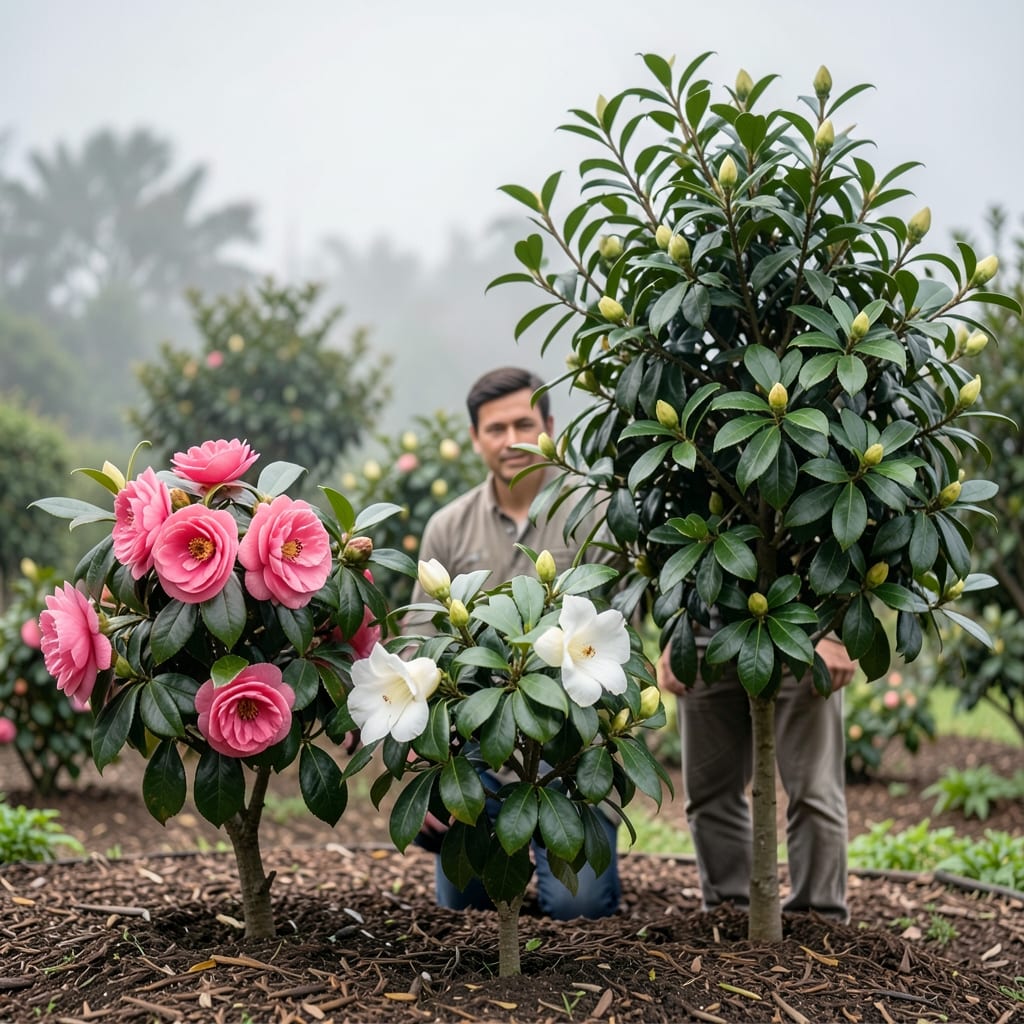
If you're dreaming of a lush, blooming 🌸 camellia that adds drama to your garden, you might be wondering how tall these beauties can grow. The answer depends entirely on the variety—some stay compact enough for containers, while others can grow taller than a three-story building!
Camellias like the classic Camellia japonica often reach 10 to 30 feet at maturity, making them a statement piece in large landscapes. On the other hand, dwarf varieties like 'Yuletide' or 'Donation' stay between 3 and 6 feet, perfect for small gardens or even as hedges.
But height isn’t just about the variety—pruning plays a huge role. With the right techniques, you can keep even a tall camellia in check, while neglect can lead to leggy, unruly growth. Whether you're planning a cozy patio display or a grand backyard focal point, choosing the right type and care approach makes all the difference.
Ready to find the perfect camellia for your space? Let’s break down the options so you can pick one that fits your garden—and your vision—without any surprises down the road.


Camellia height ranges by variety: dwarf to giant types explained
Camellias are incredibly versatile, with varieties that can fit snugly in a container garden or dominate a large landscape. The key to choosing the right one lies in understanding their mature height ranges, which can vary from as little as 3 feet to towering 30 feet trees. Let’s explore the four main categories—dwarf, semi-dwarf, standard, and giant—to help you pick the perfect fit for your space.
Dwarf camellias are ideal for small gardens, patios, or even as bushes in containers. These varieties typically mature between 3 and 6 feet, making them perfect for urban gardens or balconies. Examples like 'Yuletide' and 'Donation' are popular choices for their manageable size and abundant blooms.
Semi-dwarf varieties strike a balance, growing between 6 and 12 feet at maturity. These are great for hedges, borders, or focal points in medium-sized gardens. Varieties like 'Crimson King' and 'Spring’s Promise' fall into this category, offering a mix of height and manageability.
Standard camellias are the most common and can reach heights of 10 to 20 feet. These are perfect for backyard focal points or larger landscapes. Popular varieties include Camellia japonica 'Desire' and 'Pink Perfection', which deliver stunning blooms while staying within a manageable height range.
Giant camellias are the showstoppers, often growing 20 to 30 feet tall. These are best suited for large estates or park-like settings where their dramatic height can be fully appreciated. Varieties like Camellia japonica 'Elegans' or 'White Swan' can become small trees over time, providing year-round interest with their glossy foliage and seasonal blooms.
| Variety Type | Mature Height | Best For | Examples |
|---|---|---|---|
| Dwarf | 3–6 ft | Containers, small gardens | 'Yuletide', 'Donation' |
| Semi-Dwarf | 6–12 ft | Hedges, borders | 'Crimson King', 'Spring’s Promise' |
| Standard | 10–20 ft | Focal points, large gardens | 'Desire', 'Pink Perfection' |
| Giant | 20–30 ft | Estates, park settings | 'Elegans', 'White Swan' |
When selecting a camellia, consider not just its height but also its growth rate and spread. Some varieties, like 'Yuletide', grow slowly and stay compact, while others, like 'Desire', can grow several feet per year. Always check the specific variety’s details to avoid surprises as your plant matures.
If you’re unsure about the final size, start with a dwarf or semi-dwarf variety—they’re easier to manage and still deliver stunning blooms. For larger spaces, a standard or giant camellia will make a bold statement, but be prepared for long-term commitment to pruning and maintenance.
Finally, remember that pruning plays a huge role in controlling height. Even a giant camellia can be kept in check with regular pruning, while neglect can lead to unruly growth. We’ll dive deeper into pruning techniques in the next section to help you keep your camellia at the perfect height for your garden.
How pruning affects camellia growth: when and how to control height
Pruning isn’t just about shaping your camellia—it’s a critical tool for controlling its height and growth habit. Without proper pruning, even a dwarf variety can outgrow its space, while a giant camellia might become unruly. The key is timing and technique, as camellias bloom on old wood, meaning pruning too late can remove next year’s flower buds.
For height control, focus on late winter or early spring (just after blooming). This is when camellias enter their dormant phase and can handle pruning without stress. Remove 1/3 of the oldest growth to encourage new, more compact branches. Avoid heavy pruning in summer or fall, as this can stimulate tender new growth that’s vulnerable to frost.
If you’re dealing with a leggy camellia, prune back the longest branches by 1/2 to 2/3 their length. This forces the plant to branch out and creates a fuller, bushier shape. For container-grown camellias, prune lightly in spring and summer to maintain their compact form and encourage more blooms.
Never prune new growth aggressively—this can stunt flowering and weaken the plant. Instead, focus on selective pruning to remove dead, diseased, or crossing branches year-round. Use clean, sharp pruners and make cuts just above a leaf node or outward-facing bud to promote healthy regrowth.
⚠️ Pruning Mistakes to Avoid
❌ Pruning after blooms fall – Removes next year’s flower buds. ❌ Over-pruning in summer – Encourages tender growth vulnerable to frost. ❌ Using dull tools – Causes jagged cuts that invite disease.
For taller varieties, consider structured pruning to maintain a tree-like form. Remove lower branches to create a clear trunk and open the canopy for better airflow. This is especially useful for standard or giant camellias in large landscapes. Always step back and visualize the final shape before making cuts—camellias respond well to gentle guidance.
With the right pruning approach, you can keep even the tallest camellias in check while encouraging healthier growth and more abundant blooms. Start with light pruning in your first year, then adjust based on how your plant responds. Over time, you’ll develop a rhythm that keeps your camellia thriving at the perfect height for your garden.