
Trees
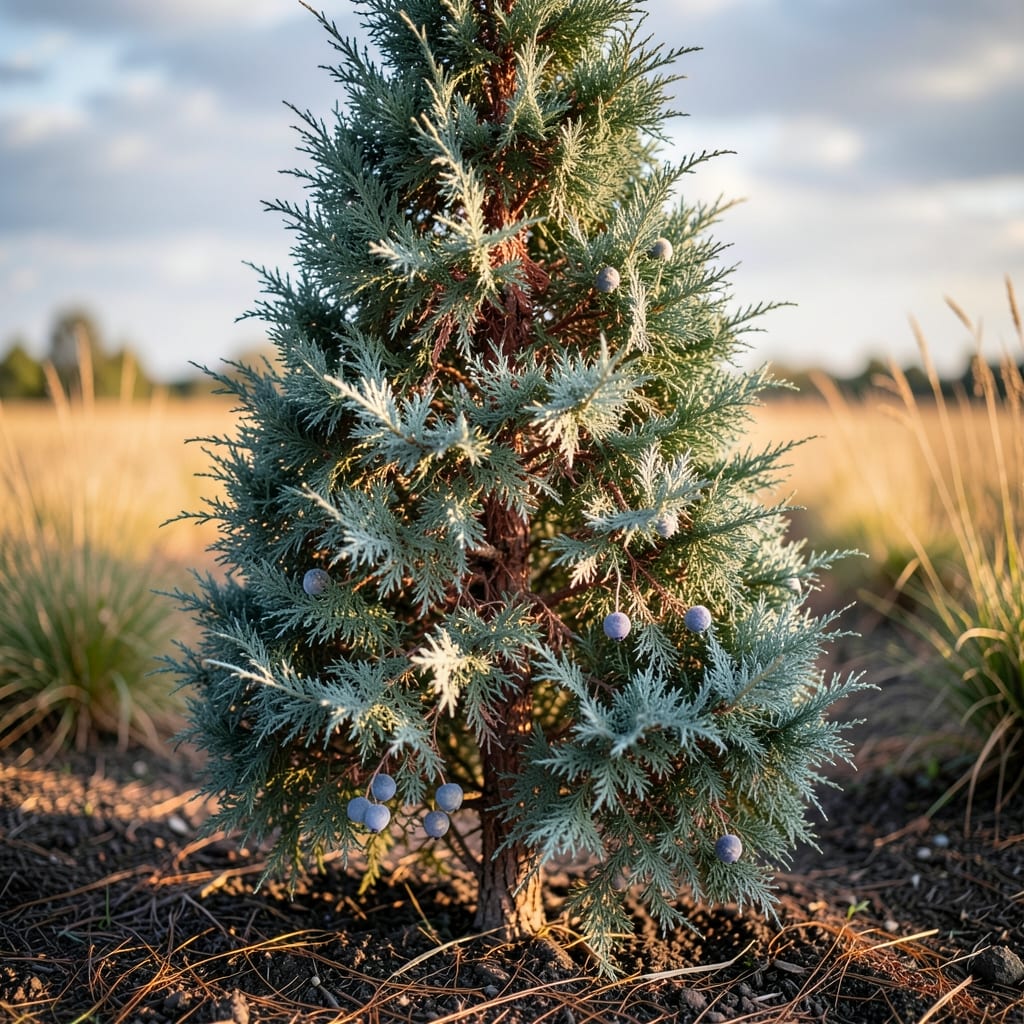
If you're dreaming of a towering 🌲 Cedar Tree that adds majesty to your landscape, you might be surprised to learn how tall cedar trees can grow—their mature heights can vary dramatically from sky-scraping giants to elegant, compact beauties, all within the same family. Before you plant that sapling, knowing exactly how tall your cedar could grow is the key to avoiding future "oops" moments with your home's roofline.
Picture this: in just 10 years, that cute little cedar you planted could be reaching 30 feet or more, depending on the species and where you live. Eastern Red Cedar might play peekaboo with your second-story windows, while a dwarf variety could stay neatly contained in your front yard. The difference comes down to genetics, growing conditions, and a little bit of strategic planning—all topics we'll unpack for you.
What if you could predict your cedar's future height with near certainty? I'll walk you through the science behind cedar growth—how climate zones shape their stature, which species grow fastest (and which take their sweet time), and even how to gently guide their growth without drastic pruning. Let's turn your cedar dreams into a reality that fits perfectly with your outdoor vision.
Whether you're a first-time gardener or a seasoned green thumb, understanding these growth patterns means you'll plant with confidence. No more guessing games about whether your cedar will become a towering neighbor or a modest garden accent. Ready to discover how tall your cedar could really grow?

Mature heights of popular cedar tree species compared
If you're dreaming of a cedar tree in your landscape, the first question is always: how tall will it get? The answer depends entirely on the species—some cedars stay compact, while others reach skyscraper proportions. Let’s break down the mature heights of 8 common cedar varieties so you can pick the perfect fit for your space.
Cedars are divided into two main groups: true cedars (like Atlas and Deodar) and false cedars (like Eastern Red Cedar). True cedars tend to grow taller, while false cedars often stay smaller. But even within these groups, heights can vary wildly—from a modest 8 feet to towering over 40 feet.
Before we dive into the numbers, here’s a quick rule of thumb: soil quality, sunlight exposure, and pruning habits can adjust a cedar’s height by 20-30%. A tree planted in rich soil with regular watering might outgrow its expected height, while one in poor conditions could stay shorter.
| Species | Mature Height (ft) | Growth Rate | Height Comparison | Best For |
|---|---|---|---|---|
| Eastern Red Cedar | 30-40 ft | Moderate (1-2 ft/year) | Taller than a 3-story house | Privacy screens, wildlife habitat |
| Western Red Cedar | 40-70 ft | Fast (2-3 ft/year) | Taller than a 4-story building | Large landscapes, wet climates |
| Atlas Cedar | 40-60 ft | Moderate (1-2 ft/year) | Taller than a 2-story house | Mediterranean climates, specimen trees |
| Deodar Cedar | 50-75 ft | Slow (1 ft/year) | Taller than a 5-story building | Park-like settings, statement trees |
| Leyland Cypress (False Cedar) | 60-75 ft | Very Fast (3-4 ft/year) | Taller than a 6-story building | Fast privacy hedges, windbreaks |
| Arborvitae (Green Giant) | 30-50 ft | Moderate (1-2 ft/year) | Taller than a 3-story house | Screening, foundation planting |
| Dwarf Alberta Spruce (False Cedar) | 8-12 ft | Slow (0.5 ft/year) | Taller than a mailbox | Container gardens, small yards |
| Incense Cedar | 50-80 ft | Slow (1 ft/year) | Taller than a 5-story building | Wildlife-friendly forests |
The Eastern Red Cedar is a classic for small to medium yards, often reaching 30-40 feet—perfect for a privacy screen or wildlife-friendly hedge. Its blue-green foliage and drought tolerance make it a low-maintenance favorite in USDA Zones 2-9.
On the other hand, the Western Red Cedar is a giant—growing 40-70 feet tall with a sprawling canopy. It’s ideal for large properties or wet climates, where it thrives near ponds or streams. If you’re in Zones 5-8, this cedar will dominate your landscape in no time.
For a compact option, the Dwarf Alberta Spruce tops out at just 8-12 feet, making it perfect for containers or small gardens. It grows at a glacial pace (only 0.5 feet per year), so it’s a great choice if you want a low-maintenance evergreen that won’t outgrow
How climate zones affect cedar tree growth height
Did you know your USDA hardiness zone can mean the difference between a 20-foot cedar and one that stretches over 40 feet? Cedar trees thrive in diverse climates, but their growth rates and mature heights are heavily influenced by temperature, rainfall, and seasonal changes. For example, Arctic Cedar (Zone 1) stays compact in freezing conditions, while Deodar Cedar (Zone 7+) stretches tall in Mediterranean warmth.
If you live in Zone 3 or colder, expect slower growth but sturdy, slow-growing cedars like the Eastern White Cedar, which tops out around 30 feet. In Zones 5-8, where most gardeners live, cedars like Atlas Cedar and Leyland Cypress (a hybrid) can grow aggressively—up to 60 feet in ideal conditions. Even the same species may grow 10-20% taller in warmer zones with more frost-free days.
Let’s break down how climate factors shape cedar height—so you can pick the perfect variety for your yard. The right match means faster growth, better drought resistance, and fewer surprises as your tree matures.
Notice how drought tolerance plays a role? Cedar trees in arid zones (like Zone 7b) often grow taller and leaner to reach moisture, while those in humid climates (Zone 8+) may develop broader canopies but shorter trunks. For example, Leyland Cypress (a cedar hybrid) can grow 6 feet per year in coastal California but only 2 feet per year in dry inland areas.
Pro tip: If you’re in a transition zone (like Zone 6), opt for hybrid varieties (e.g., ‘Green Giant’ Arborvitae) that blend cold and heat tolerance. These adapt better to fluctuating temperatures and grow steadily without extreme height spikes.
Ready to pick the perfect cedar for your zone? Start by checking your last frost date—trees planted too early in cold zones may struggle to reach their full height potential. 🌲