
Flowers
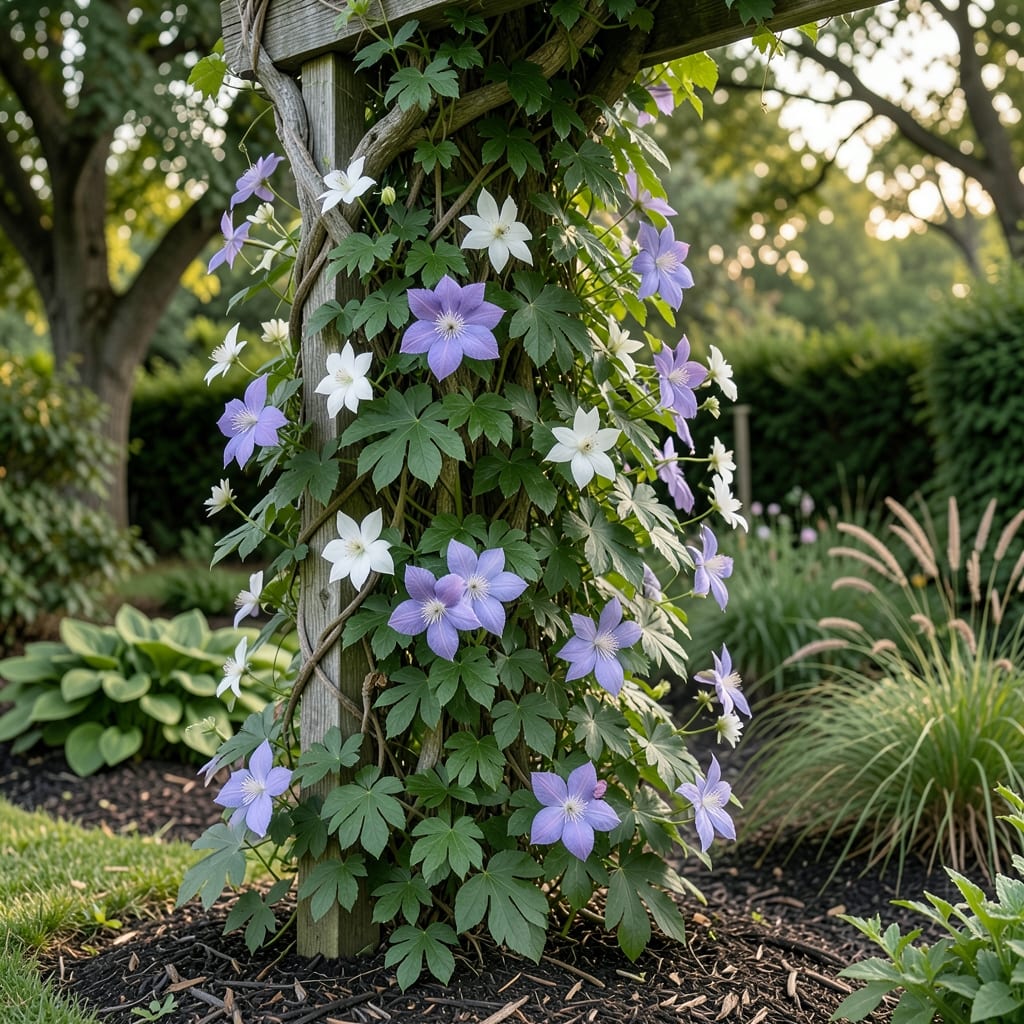
If you've ever wondered how tall can clematis grow, the answer might surprise you—some varieties stretch taller than a two-story house while others stay perfectly manageable in containers. This stunning vine, with its delicate 🌸 blooms, can transform any garden into a vertical paradise, but only if you choose the right variety and give it the care it needs.
The beauty of clematis lies in its versatility—whether you're working with USDA Zone 6a conditions or a cozy balcony, there's a type for every space. Dwarf varieties might top out at just 3-6 feet, making them ideal for small gardens, while climbing giants like Clematis montana can reach 20 feet or more when given proper support. The key to controlling their growth starts with understanding their natural tendencies and pruning habits.
What I love about growing clematis is how it rewards patience—those first-year vines might only reach 2-4 feet, but by year three, they can soar to 10-15 feet with the right conditions. The secret to managing their height lies in smart pruning techniques tailored to each variety, giving you the perfect balance between dramatic vertical growth and easy maintenance. Let's explore how to make clematis work for your garden, no matter how much space you have.
From training them on trellises to container gardening hacks, you'll discover practical ways to enjoy clematis at any height—whether you want a 6-foot privacy screen or a 15-foot climbing masterpiece. The possibilities are endless, and with the right approach, you can have your dream vertical garden without the headaches. Ready to get started?

Clematis height by species: from dwarf varieties to giant climbers
Clematis vines can transform your garden into a lush vertical masterpiece—but their height varies wildly depending on the species. Some stay modest enough for containers, while others scale buildings like nature’s own climbing wall. Understanding these differences helps you choose the perfect variety for your space and support structures.
Most clematis varieties fall into three height categories: dwarf (3–6 ft), semi-dwarf (6–10 ft), and standard (10–20+ ft). The right choice depends on your garden’s layout, sunlight, and whether you’re growing them on trellises, fences, or even trees. Let’s explore the extremes and everything in between.
🌱 Key Takeaway: Clematis height isn’t just about space—it’s about growth habits. Trailing types sprawl horizontally, while climbing varieties reach skyward. Bush clematis stays compact, making them ideal for borders.
| Variety | Mature Height | Growth Habit | Ideal Support |
|---|---|---|---|
| Clematis montana | 15–20 ft | Climbing | Arbors, trees, or tall trellises |
| Clematis armandii | 10–15 ft | Climbing | Fences or pergolas |
| Clematis viticella | 8–12 ft | Climbing | Obelisks or wire trellises |
| Clematis integrifolia | 3–6 ft | Bush or trailing | Containers or low borders |
| Clematis texensis | 4–8 ft | Bush | Rock gardens or small trellises |
Dwarf varieties like Clematis integrifolia are perfect for small gardens or containers, while giants like Clematis montana can reach rooftops if given the right support. The secret to managing their height lies in their growth habits: climbing types need sturdy structures, while bush varieties stay self-contained.
For example, Clematis viticella thrives on a 6–8 ft trellis, while Clematis armandii can drape elegantly over a 10 ft fence. Even compact types like Clematis texensis benefit from a small obelisk to guide their growth upward instead of sprawling.
If you’re working with limited space, opt for semi-dwarf varieties like Clematis ‘Jackmanii’ (8–10 ft) or Clematis ‘Niobe’ (6–8 ft). These strike a balance between dramatic height and manageable scale, perfect for patios or small backyards.
Pro tip: Always check the mature height label when buying clematis. Nurseries often list this alongside bloom color and season, helping you avoid surprises. Pair this with the right support structure, and you’ll have a vine that grows exactly where—and how—you want it.
Remember, clematis growth isn’t just about height—it’s about seasonal blooms and structural support. A 15 ft vine on a weak trellis will flop, while the same vine on a metal arbor will thrive. Choose wisely!
🌿
Clematis height by species: from dwarf varieties to giant climbers
Clematis vines can range from compact bush varieties to monster climbers that scale walls like a living tapestry. The average mature height for most clematis species lands between 8 to 15 feet, but some dwarf varieties stay under 3 feet, while giants like Clematis montana can reach 20+ feet when given the right conditions. Understanding these differences helps you choose the perfect variety for your space—whether that’s a balcony, trellis, or sprawling garden fence.
Your clematis’s final height depends on three key factors: species genetics, support structure, and pruning habits. For example, Clematis armandii grows aggressively (up to 25 feet) on sturdy walls, while Clematis ‘Jackmanii’ typically maxes out at 10–12 feet on a well-trained trellis. Even within the same species, growth can vary by 30–50% based on sunlight, soil fertility, and watering consistency.
| Variety | Mature Height | Growth Habit | Ideal Support |
|---|---|---|---|
| Clematis montana | 15–25 ft | Climbing | Arbors, walls, or strong trellises |
| Clematis viticella | 8–12 ft | Climbing | Trellises, pergolas, or fences |
| Clematis ‘Jackmanii’ | 10–12 ft | Climbing | Strong trellis or obelisk |
| Clematis ‘Niobe’ | 6–10 ft | Bush | No support (or low trellis) |
| Clematis ‘Freckles’ | 3–6 ft | Trailing | Containers or low trellises |
If you’re working with limited vertical space, focus on dwarf or semi-dwarf varieties** like Clematis ‘Freckles’ or Clematis ‘Perle d’Azur’, which thrive in containers or on small trellises. These stay under 6 feet but still deliver stunning blooms. For larger gardens, Clematis montana and Clematis armandii are showstoppers—just be prepared to dedicate a strong support structure (like a metal arbor or brick wall) to handle their weight.
Pro tip: Early-season growth is the fastest, with vines gaining 2–4 feet per year in ideal conditions. By year three, most clematis will reach 50–70% of their mature height, so plan your support system accordingly. For example, a 10-foot trellis might only need to be 6–8 feet tall after two years if you’re growing a medium-height variety like Clematis ‘The President’.
One common mistake is assuming all clematis need full sun—while they love light, their roots prefer shade. Plant with the base of the vine shaded (using mulch or companion plants) while ensuring the foliage and flowers get 6+ hours of direct sunlight. This trick can reduce stress and encourage healthier, more controlled growth without sacrificing blooms.
For gardeners in small spaces, consider espalier training or horizontal growth techniques to keep clematis manageable. Even giant varieties like Clematis montana can be trained to grow along a fence horizontally instead of vertically, saving space while still producing abundant flowers. The key is patience and strategic pruning—more on that in the next section! 🌿