
Size
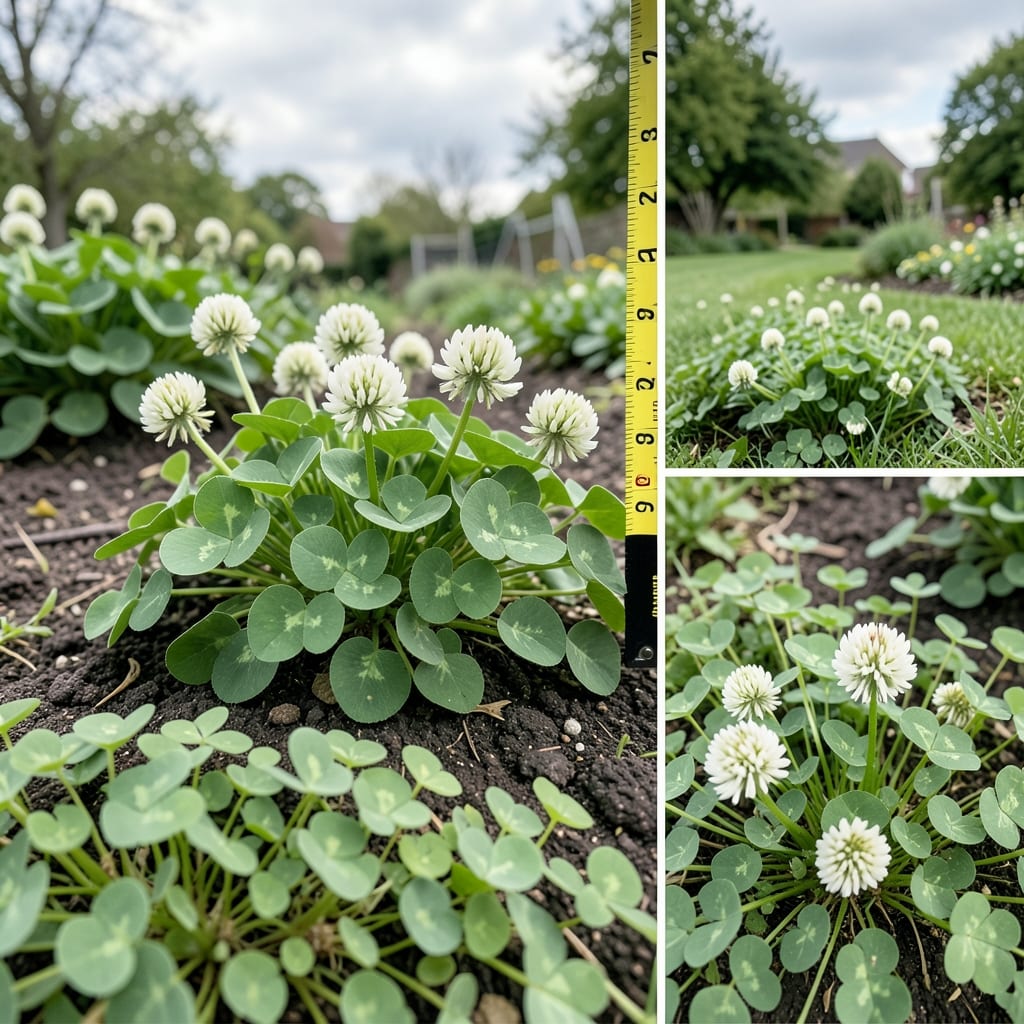
Clover height by variety: dwarf vs giant types and their growth limits
Clover isn’t just one plant—it’s a family with stunning height variations, from ankle-high lawn varieties to wildflower meadow giants. Understanding these differences helps you pick the perfect type for your space, whether you want a low-maintenance lawn or a pollinator-friendly meadow. Let’s explore how tall clover can grow, variety by variety.
Most home gardeners focus on white clover and red clover, but even within these groups, heights can differ by 2 feet or more. For example, Dutch white clover stays compact at just 6–12 inches tall, while crimson clover can reach 3–4 feet when left uncut. The key? Sunlight exposure, soil fertility, and pruning habits all play a role in determining final height.
Here’s the hard truth: If you want tall clover for pollinators, you’ll need to skip the mower. Giant varieties like alsike clover and red clover thrive in uncut meadows, where they grow 24–48 inches tall and attract bees and butterflies. Meanwhile, lawn clover varieties stay short to avoid mowing headaches.
| Variety | Mature Height | Best For | Sunlight Needs | Growth Habit |
|---|---|---|---|---|
| Dutch White Clover | 6–12 inches | Lawns, erosion control | Full sun to partial shade | Low-growing, spreading |
| White Clover (Wild) | 12–18 inches | Wildflower gardens, pollinators | Full sun | Clumping, upright |
| Red Clover | 24–36 inches | Meadows, soil improvement | Full sun | Tall, bushy, self-seeding |
| Alsike Clover | 30–48 inches | Pastures, wildflower mixes | Full sun | Tall, sprawling, deep roots |
| Crimson Clover | 36–48+ inches | Pollinator gardens, winter cover | Full sun to partial shade | Tall, upright, winter-hardy |
Note: Heights vary with soil fertility and water availability. Always check seed packet details for exact expectations.
If you’re planting clover for a low-maintenance lawn, stick to Dutch white clover or microclover, which stay under 12 inches and blend seamlessly with grass. These varieties are drought-tolerant and nitrogen-fixing, making them ideal for reducing fertilizer use. Just be prepared for occasional mowing if you want to keep it tidy.
For wildflower meadows, red clover and crimson clover are the stars of the show. These giants bloom in late spring to summer, providing nectar for bees and food for butterflies. To encourage maximum height, avoid cutting until after seed heads form. This lets them complete their life cycle and self-seed for future seasons.
One common misconception is that all clover grows tall—it doesn’t! Shade-tolerant varieties, like Alsike clover, may stay shorter in low-light conditions, while full-sun varieties like crimson clover
How to control clover height: pruning, mowing, and natural growth habits
Managing clover height isn’t just about aesthetics—it’s about encouraging healthy growth and maximizing benefits, whether that means a neat lawn or a thriving pollinator meadow. The right pruning and mowing techniques can keep dwarf varieties tidy while letting giant clover reach its full potential. Let’s break down how to control clover height like a pro.
For lawn clover varieties like Dutch white clover, regular light mowing (every 2–4 weeks) keeps them at 6–12 inches tall. Use a sharp mower blade set to 2–3 inches to avoid damaging the crown. Over-mowing stresses the plant, so never cut more than 1/3 of the height at once. This approach also prevents weed competition and keeps your lawn looking uniform and green.
Here’s a quick cheat sheet for managing clover height based on your goals:
- 1 For lawn clover: Mow every 3–4 weeks at 2–3 inches to maintain compact growth. Avoid scalping the soil.
- 2 For meadow clover: Skip mowing until after seed heads form (late summer). This ensures self-seeding and wildlife support.
- 3 For pollinator gardens: Trim selectively—cut back spent blooms but leave some tall stems for bees and butterflies.
- 4 Seasonal tip: Fall cleanup (after frost) removes dead foliage but leaves winter cover for soil protection.
If you’re growing tall clover varieties like red or crimson clover, resist the urge to mow early in the season. These plants rely on height to attract pollinators and improve soil through deep root systems. Instead, focus on selective pruning—cut back only the tallest stems after they’ve finished blooming to encourage a second flush of flowers in some varieties.
One critical mistake gardeners make is over-pruning clover in early spring. New growth emerges from the crown, so cutting too early can stunt flowering. Wait until after the first frost or when new shoots appear before trimming. This gives your clover the best chance to rebound quickly and support pollinators.
For shade-tolerant clover, like Alsike clover, height control is less about mowing and more about managing competition. Thin out competing weeds and mulch lightly to encourage upward growth. These varieties naturally stay shorter in low light, so avoid heavy pruning—it can stress the plant unnecessarily.
Remember: Clover’s height is a trade-off between aesthetics and ecological benefits. If your goal is wildlife support, embrace the tall, wild look. If you prefer a manicured lawn, stick to dwarf varieties and regular mowing. The choice is yours—just plan ahead! 🌿