
Size
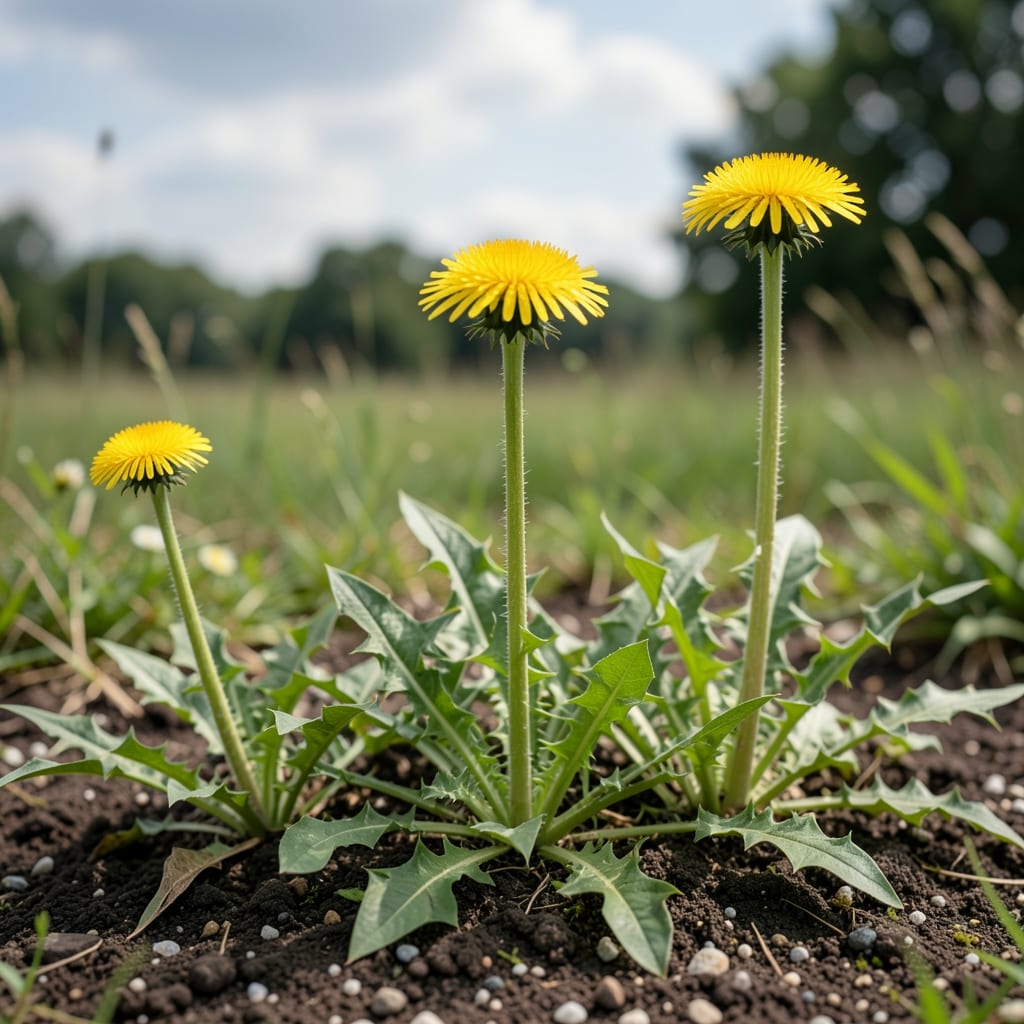
If you’ve ever watched a 🌼 dandelion shoot up from a tiny seedling into a bright yellow bloom, you might be surprised by just how tall these hardy plants can grow—sometimes reaching heights that put them on par with small shrubs! While most people think of dandelions as pesky weeds, their growth potential is actually quite impressive, especially when given the right conditions.
The height of a dandelion depends largely on whether it’s growing wild or has been cultivated. In the wild, these plants can stretch anywhere from 1 to 4 feet, with some even exceeding 5 feet in ideal environments. Meanwhile, gardeners often select varieties that stay shorter—some as small as 6 inches—to make them easier to manage or harvest.
What makes this even more interesting is how factors like soil quality, sunlight, and even competition from other plants play a role. A dandelion thriving in loose, nutrient-rich soil with plenty of sunlight will naturally grow taller than one struggling in compacted or shaded areas. Understanding these variables can help you control—or even encourage—their growth in your own space.
Whether you’re curious about managing wild dandelions in your lawn or growing them intentionally in your garden, knowing how tall they can get helps you plan for their care. Let’s break down the science behind their size and what you can do to shape their growth to your advantage.


Wild dandelion height: natural growth limits and environmental factors
Wild dandelions (Taraxacum officinale) are nature’s champions of resilience, often popping up in cracks of concrete or neglected lawns with minimal care. In their natural state, these plants can reach heights that surprise many gardeners. On average, wild dandelions grow between 2 to 4 feet tall, but their height can vary dramatically depending on environmental conditions. In ideal scenarios—think loose, nutrient-rich soil and full sunlight—they can even stretch up to 5 feet or more, especially in open fields or meadows where competition for resources is low.
The key to understanding dandelion height lies in their growth habits. As perennial plants, they regrow year after year from deep taproots, which allows them to access water and nutrients deep underground. This deep-rooted advantage means they can thrive in drought conditions and still produce tall, sturdy stems. Their growth is also influenced by their life cycle: dandelions bolt (send up a tall flowering stalk) in their first year, reaching their maximum height when they produce seeds.
Climate plays a significant role in determining how tall wild dandelions grow. In cooler, northern climates, they may stay shorter—around 1 to 2 feet—due to shorter growing seasons. Meanwhile, in warmer, southern regions with longer summers, they can grow taller and more aggressively. For example, in the Pacific Northwest, dandelions often reach 3 to 4 feet, while in the Southeastern U.S., they might exceed 4 feet in ideal conditions.
Soil quality is another critical factor. Dandelions thrive in well-draining, slightly acidic soil with a pH between 6.0 and 7.5. Compacted or clay-heavy soil can stunt their growth, while loose, sandy soil encourages taller stems. Additionally, dandelions are opportunistic growers, meaning they’ll stretch taller when they sense competition from other plants. In a crowded garden bed, they might only reach 1 to 2 feet, but in an open, sunny area, they’ll take full advantage of available space.
Sunlight is non-negotiable for dandelion height. These plants require at least 6 hours of direct sunlight per day to reach their full potential. In shadier conditions, their stems will be shorter and weaker, often producing fewer flowers. This is why you’ll notice dandelions in lawns growing taller along the edges, where sunlight is more abundant. If you’re trying to manage wild dandelions in your yard, reducing sunlight exposure—through shading or mowing—can help keep them shorter.
One of the most fascinating aspects of dandelion growth is how they adapt to their environment. For instance, in urban settings, where soil may be poor and space is limited, dandelions often grow shorter but produce more flowers per stem to maximize seed dispersal. Conversely, in agricultural fields, they can grow exceptionally tall—sometimes up to 5 feet
If you’ve ever pulled a dandelion only to find its taproot extending 12 inches or more into the soil, you’ve witnessed firsthand how these plants access deep water reserves. This deep-rooted system allows them to survive in harsh conditions and still produce tall flowering stalks. In fact, the taller the dandelion, the deeper its roots tend to go, creating a feedback loop where better resource access leads to greater height. Understanding these natural growth patterns is especially useful if you’re trying to manage wild dandelions in your lawn. For example, if you notice them growing taller in certain areas, it’s likely due to better soil or sunlight in those spots. Addressing these factors—such as improving drainage or reducing shade—can help control their height. Conversely, if you’re growing dandelions intentionally (for edible greens or ornamental purposes), you can optimize their environment to encourage taller, healthier plants. One common misconception is that all dandelions grow to the same height. However, their size is highly variable depending on the growing conditions. For instance, dandelions growing in urban cracks might only reach 6 to 12 inches due to limited space and poor soil, while those in a well-tended garden can easily surpass 3 feet. This variability is why dandelions are so adaptable—they can thrive in almost any environment, from city sidewalks to rural fields. To put it simply, wild dandelions are nature’s height champions when given the right conditions. Whether you’re marveling at their resilience or trying to manage their growth, knowing how soil, sunlight, and climate influence their size gives you the power to shape their height to your advantage. And if you’ve ever wondered why some dandelions in your yard seem to grow taller than others, it’s likely due to these very factors at play.
Factor
Impact on Height
Example
Soil Type
Loose, nutrient-rich soil = taller growth
4 ft in garden beds, 2 ft in compacted lawns
Sunlight
Full sun (6+ hours) = maximum height
5 ft in open fields, 1 ft in shade
Climate
Warmer regions = taller growth
4 ft in Southeast U.S., 2 ft in Northern climates
Competition
Less competition = taller stems
3 ft in meadows, 1 ft in crowded gardens
Water Availability
Drought = shorter but hardier plants
2 ft in dry conditions, 4 ft with consistent water
Cultivated dandelions: how selective breeding affects height
While wild dandelions can reach impressive heights of 4-5 feet, gardeners have long worked to create cultivated varieties that stay much shorter—sometimes as small as 6 inches. These dwarf varieties are bred specifically for ease of harvest, ornamental appeal, or even pest control in agricultural settings. The key difference lies in selective breeding, where plant breeders focus on traits like stem thickness, leaf density, and flower size to create plants that suit human needs rather than survival in the wild.
One of the most popular cultivated types is the edible dandelion, often grown for its leaves and flowers. These varieties typically reach 12 to 24 inches tall, making them much easier to manage in home gardens. For example, the 'Pineapple' dandelion variety produces dense, curly leaves and stays compact, while 'French' dandelion varieties are bred for their tender, leafy growth rather than height. These shorter varieties are ideal for container gardening or small urban plots where space is limited.
On the opposite end of the spectrum are ornamental dandelions, which can grow just as tall as their wild counterparts—sometimes even exceeding 3 feet. These varieties are often cultivated for their striking double flowers or vibrant colors, which make them popular in cottage gardens and wildflower meadows. Unlike wild dandelions, which produce single yellow blooms, these ornamental types may feature pink, white, or red flowers and are bred to maintain their height while producing more abundant blooms.
| Type | Height Range | Primary Use | Breeding Focus |
|---|---|---|---|
| Dwarf Edible | 6-12 inches | Leaf harvest | Compact growth, leaf density |
| Standard Edible | 12-24 inches | Greens and flowers | Balanced height, tender leaves |
| Ornamental | 2-3 feet | Garden display | Flower size, color variation |
| Wild Type | 2-5 feet | Seed dispersal | Survival traits, seed production |
Selective breeding isn’t just about height—it’s also about growth habits. For instance, some cultivated dandelions are bred to bolt later in the season, giving gardeners more time to harvest leaves before they send up tall flowering stalks. Others are developed to resist common pests like aphids or fungal diseases, making them more reliable for home gardeners. These traits are often achieved through cross-pollination between different dandelion varieties, followed by careful selection of the most desirable plants.
If you’re growing dandelions for culinary purposes, you’ll want to focus on varieties that stay shorter and produce tender leaves. For example, the 'Red Sails' dandelion is a popular choice for its deep red flowers and compact growth, while 'Mammoth Mixed' dandelions are bred for their large, showy blooms and can reach up to 3 feet tall. The key is to choose a variety that aligns with your goals—whether that’s maximizing leaf production or creating a stunning garden display.
One interesting trend in modern gardening is the rise of heirloom dandelion varieties, which are often taller and more traditional in appearance. These varieties are prized by gardeners who want to preserve the natural beauty of dandelions while still enjoying their edible qualities. Unlike hybrid varieties, which may produce sterile seeds, heirloom dandelions can be saved and replanted year after year, ensuring consistency in height and appearance.
Whether you’re growing dandelions for food, ornamentals, or simply to admire their resilience, understanding how selective breeding affects height can help you choose the right variety for your needs. From tiny 6-inch edible greens to towering 3-foot ornamental giants, cultivated dandelions prove that even "weeds" can be shaped to suit our purposes—with a little help from plant breeders.