
Vegetables
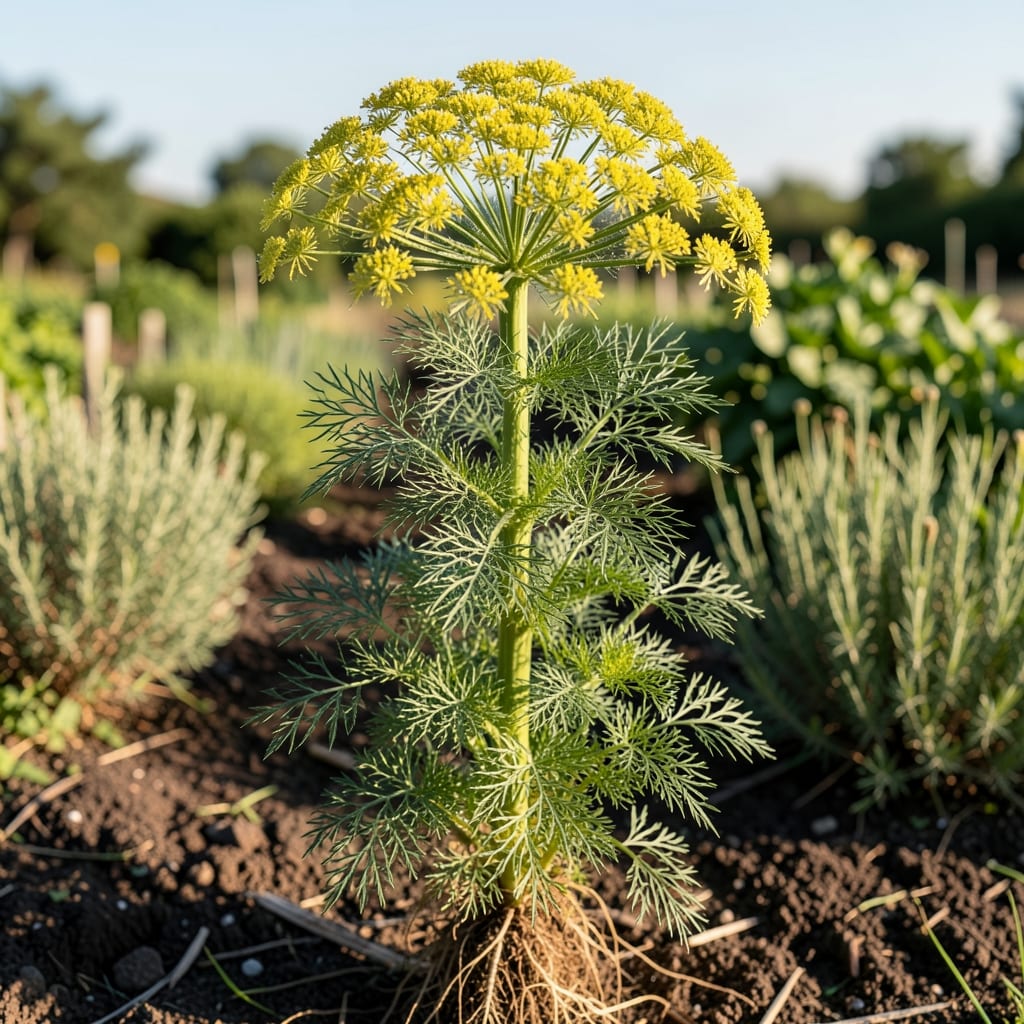
If you’ve ever wondered how tall can dill grow in your backyard, the answer might surprise you—this feathery herb can stretch toward the sky like a sun-loving sentinel, reaching heights of 4 to 5 feet under ideal conditions. That’s taller than most kitchen counters, which means planning your garden layout is key to avoiding a wild, sprawling mess.
But here’s the twist: not all dill varieties play by the same rules. Compact types like Bouquet dill stay closer to the ground, while Mammoth dill leans into its towering potential, sometimes exceeding 6 feet when left unchecked. The good news? With a little pruning and proper spacing, you can harness that growth for a bountiful harvest.
Whether you’re growing dill for fresh leaves or saving seeds, understanding its natural tendencies helps you decide when to let it grow wild and when to rein it in. I’ll show you how to balance height control with maximum yield, so your dill stays productive without taking over your garden.
Ready to transform those lanky stems into a bushy, flavor-packed herb? Let’s dive into the secrets of managing dill’s height—from variety choices to pruning tips that’ll keep your plants happy and your harvests plentiful.

Natural height limits of dill plants: what to expect by variety
Dill plants are famous for their skyward reach, but their maximum height depends heavily on the variety and growing conditions. Most common types like Bouquet and Fernleaf typically grow between 3 to 4 feet tall, while Mammoth varieties can stretch up to 5 feet or taller when left unchecked. Understanding these differences helps you plan your garden layout and manage expectations.
If you’re growing dill in containers, expect slightly shorter plants—around 2 to 3 feet—since root space limits vertical growth. However, in open garden beds with rich soil and full sun, dill will naturally reach its full potential. The key is balancing height control with your harvesting goals, whether you prioritize leaf production or seed yield.
Here’s a quick comparison of how different dill varieties grow in ideal conditions:
| Variety | Mature Height | Growth Habit | Best For |
|---|---|---|---|
| Bouquet | 3–4 ft | Bushy, compact | Leaf harvest |
| Fernleaf | 3–4 ft | Tall, slender | Seed production |
| Mammoth | 4–6 ft | Very tall, leggy | Seed harvest |
| Dwarf varieties | 1–2 ft | Compact, bushy | Containers, small gardens |
Sunlight plays a critical role in dill’s height. Plants grown in full sun (6+ hours daily) will naturally grow taller and stronger, while those in partial shade may stay shorter but produce less flavorful leaves. If you’re in a cooler climate, dill may also grow taller as it stretches toward sunlight, a phenomenon called etiolation.
Soil fertility also impacts height. Over-fertilizing with nitrogen can lead to excessive leafy growth but may weaken stems, causing plants to flop. Aim for a balanced fertilizer (5-10-10) and focus on organic matter like compost to support sturdy growth without encouraging legginess. Mulching around the base helps retain moisture and prevents soil-borne diseases that can stress plants.
In my own garden, I’ve found that regular pruning keeps dill at a manageable height while encouraging bushier growth. For example, pinching back the tops of young plants when they reach 6 inches tall prompts them to branch out, reducing the need for drastic height control later. This method works especially well for Bouquet and Fernleaf varieties, which are prized for their leaf production.
If you’re growing dill for seeds, however, letting it grow tall is essential. The plant must bolt (flower) to produce seeds, and this process requires the full height potential of the variety. Mammoth dill, for instance, can reach 6 feet or more when left to flower, but this also means it may require staking or support to prevent toppling in windy conditions.
Another factor to consider is your garden layout. Taller dill varieties can cast shade on nearby plants, which may not be ideal for sun-loving companions like basil or tomatoes. If space is limited, opt for dwarf varieties or use container gardening to keep plants contained. Even in raised beds, dill can reach impressive heights, so plan accordingly when designing your herb garden.
Finally, remember that height isn’t the only measure of success—flavor and yield matter just as much. A well-pruned dill plant that stays around 3 feet tall can produce just as many leaves as an unchecked 5-foot giant, with the added bonus of being easier to harvest and maintain. The goal is to strike a balance that works for your specific needs and garden space.
Natural height limits of dill plants: what to expect by variety
Dill is one of those herbs that grows with surprising speed, often reaching for the sky when given the right conditions. On average, most common dill varieties like Bouquet and Fernleaf can grow between 3 to 5 feet tall, while larger varieties such as Mammoth may even exceed 5 feet under ideal circumstances. Understanding these height ranges helps you plan your garden layout and companion planting effectively.
The height of dill depends heavily on the variety you choose and the growing conditions you provide. For example, Bouquet dill typically stays shorter at 3 to 4 feet, making it ideal for smaller gardens or containers. Meanwhile, Mammoth dill can tower over 5 feet, requiring more space and support. These differences are crucial for gardeners with limited space or those looking to maximize vertical gardening.
| Variety | Height Range | Growth Habit | Best For |
|---|---|---|---|
| Bouquet | 3–4 ft | Bushy, compact | Containers, small gardens |
| Fernleaf | 4–5 ft | Tall, slender | Seed production, tall borders |
| Mammoth | 5–6 ft | Very tall, leggy | Seed harvests, large gardens |
Growing conditions play a significant role in how tall your dill will grow. Full sun exposure (at least 6 hours daily) encourages taller growth, while partial shade can keep plants shorter and bushier. Additionally, well-draining soil rich in organic matter supports healthier growth, allowing dill to reach its full potential without becoming leggy or weak.
If you’re growing dill in containers, expect slightly shorter plants due to root restriction. However, with proper care—like regular pruning and adequate sunlight—you can still achieve heights of 3 to 4 feet, even in pots. This makes dill a versatile herb for both in-ground gardens and patio containers.
Another factor influencing height is whether you’re growing dill for leaves or seeds. If your goal is to harvest leaves, you’ll want to keep plants pruned to encourage bushier growth. However, if you’re saving seeds, allowing dill to bolt and grow tall is essential, as seeds develop on the tall flower spikes. Understanding this balance helps you decide when to prune and when to let your dill reach its full height.
For gardeners in cooler climates, dill may grow slightly shorter due to shorter growing seasons. In warmer regions, however, dill can become quite tall and may even self-seed aggressively, spreading throughout your garden. Keeping an eye on its growth habits helps you manage its spread and maintain a tidy garden layout.