
Size
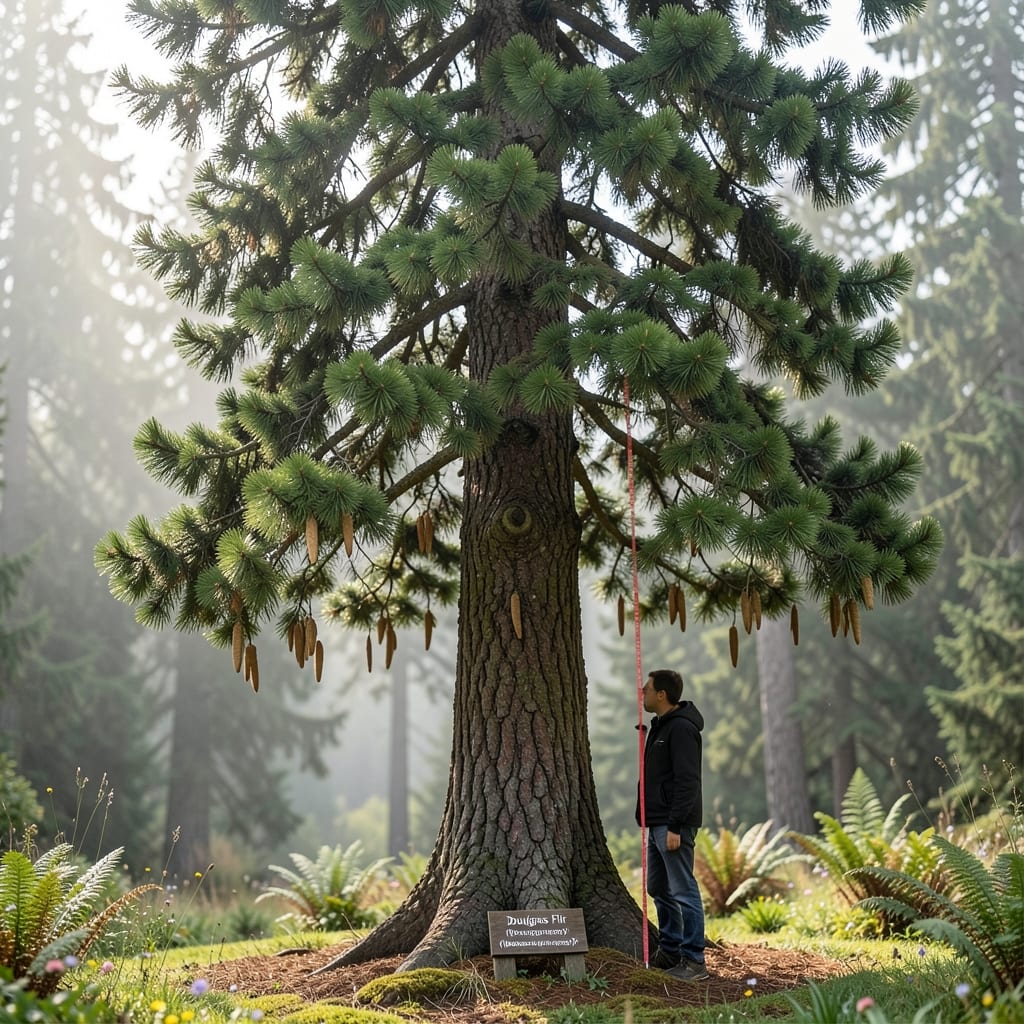
If you’ve ever gazed up at a towering Douglas fir 🌲 and wondered just how tall these giants can grow, the answer might surprise you. The tallest specimens in the Pacific Northwest can reach heights of 300 feet—taller than a 30-story building—while inland trees often stay between 60 and 80 feet. But what makes the difference between a backyard shade tree and a forest monarch?
Growth isn’t just about time—it’s about location. Coastal Douglas firs thrive in the moist, mild climates of the Pacific Northwest, where they grow faster and taller than their inland cousins. Meanwhile, trees in drier regions like the Rocky Mountains grow more slowly but still reach impressive heights over decades. Understanding these regional factors is key to predicting how your Douglas fir might develop.
Curious about the growth stages? From a 1-foot seedling to a 300-foot titan, we’ll break down the milestones and what influences their skyward journey. Whether you’re planting one in your yard or simply admiring them from afar, knowing these details helps you appreciate just how monumental these trees can become.
Ready to discover how climate, soil, and care shape their height? Let’s dive into the real-world factors that turn Douglas firs from saplings into legendary giants.


Douglas fir height by age: growth stages from seedling to century-old giant
Understanding how Douglas firs grow over time helps you predict whether your tree will become a backyard giant or a forest monarch. In their first year, these trees typically reach 1-2 feet tall, growing rapidly in ideal conditions. By year three, they can surge to 6-10 feet, with coastal varieties outpacing inland ones due to richer soils and moisture.
The real growth spurt happens between 10-30 years, where coastal Douglas firs can add 3-5 feet annually in perfect conditions. Inland trees grow more conservatively, averaging 1-2 feet per year during this phase. This divergence explains why Pacific Northwest forests host towering specimens while Rocky Mountain trees remain more modest in stature.
Here’s a closer look at how height progresses through key stages, including regional variations that shape their ultimate size:
| Age Range | Coastal Height (ft) | Inland Height (ft) | Growth Rate (ft/year) |
|---|---|---|---|
| 0-5 years | 3-15 | 2-8 | 0.5-2 |
| 10-30 years | 30-80 | 20-50 | 3-5 (coastal), 1-2 (inland) |
| 30-50 years | 80-150 | 50-80 | 2-3 (coastal), 1-1.5 (inland) |
| 50-100+ years | 150-300+ | 80-120 | 1-2 (slowing with age) |
By 50 years old, coastal Douglas firs often surpass 150 feet, while inland trees typically max out around 80 feet. The slowdown in growth after maturity isn’t just about age—it’s about resource competition. Trees in dense forests grow taller but thinner, while those in open spaces develop broader canopies.
For home gardeners, this means spacing matters. Planting a Douglas fir too close to structures or other trees can stunt its height, while giving it room to spread its roots encourages vertical growth. In my own yard, I’ve seen a 10-year-old sapling reach 25 feet with proper spacing and consistent moisture.
One common misconception is that all Douglas firs grow at the same rate. However, genetics play a role. Some cultivars, like the 'Glauca' variety, grow slower and stay shorter, making them better for smaller landscapes. Always check the specific cultivar’s growth expectations before planting.
If you’re dreaming of a 300-foot giant in your backyard, you’ll need coastal conditions, decades of patience, and a property large enough to accommodate its needs. For most gardeners, a 60-100 foot tree is more realistic—but that’s still enough to provide decades of shade and wildlife habitat!
🌲
Regional height differences: coastal vs. inland Douglas fir growth patterns
When comparing Douglas fir heights across regions, the difference between coastal and inland trees is staggering. Coastal varieties in the Pacific Northwest—like those in Oregon and Washington—can reach 100 to 300 feet, thanks to mild, moist climates and rich, volcanic soils. In contrast, inland trees in the Rocky Mountains or Interior West typically max out at 60 to 80 feet, growing slower due to drier, cooler conditions.
The Pacific Northwest’s coastal Douglas firs thrive in USDA Zones 7-9, where high humidity and consistent rainfall fuel rapid growth. These trees often grow 3 to 5 feet per year in their youth, while inland specimens may only add 1 to 2 feet annually. This regional divide explains why some Douglas firs become skyscrapers while others remain modest backyard trees.
Soil composition plays a critical role too. Coastal trees grow in deep, well-drained loamy soils with high organic matter, while inland trees often contend with thinner, rocky soils. Elevation also matters—trees at lower elevations (near sea level) grow taller than those in mountainous regions, where colder temperatures slow growth.
| Factor | Coastal Douglas Fir | Inland Douglas Fir |
|---|---|---|
| Average Mature Height | 100–300 ft | 60–80 ft |
| Annual Growth Rate (Young Trees) | 3–5 ft/year | 1–2 ft/year |
| Soil Type | Deep, loamy, organic-rich | Thin, rocky, nutrient-poor |
| Climate | Mild, humid, high rainfall | Dry, cooler, seasonal drought |
| Elevation Range | Sea level to 3,000 ft | 3,000–8,000 ft |
If you’re planting a Douglas fir in your yard, location matters. Coastal varieties are best suited for large properties with space to accommodate their towering growth, while inland varieties may fit better in smaller landscapes. Always check local climate data—trees in arid regions may need extra watering to reach even modest heights.
Even with ideal conditions, Douglas firs take decades to mature. A 50-year-old coastal tree might stand at 150 feet, while an inland counterpart of the same age could only reach 50 feet. Patience is key—these trees are built for the long term, not quick rewards.
For home gardeners, consider dwarf varieties like 'Glauca' or 'Compacta', which max out at 30 to 40 feet—perfect for smaller yards while still offering that iconic Douglas fir look. Whether you’re aiming for a skyscraper or a manageable shade tree, understanding these regional patterns helps you set realistic expectations.