
Size
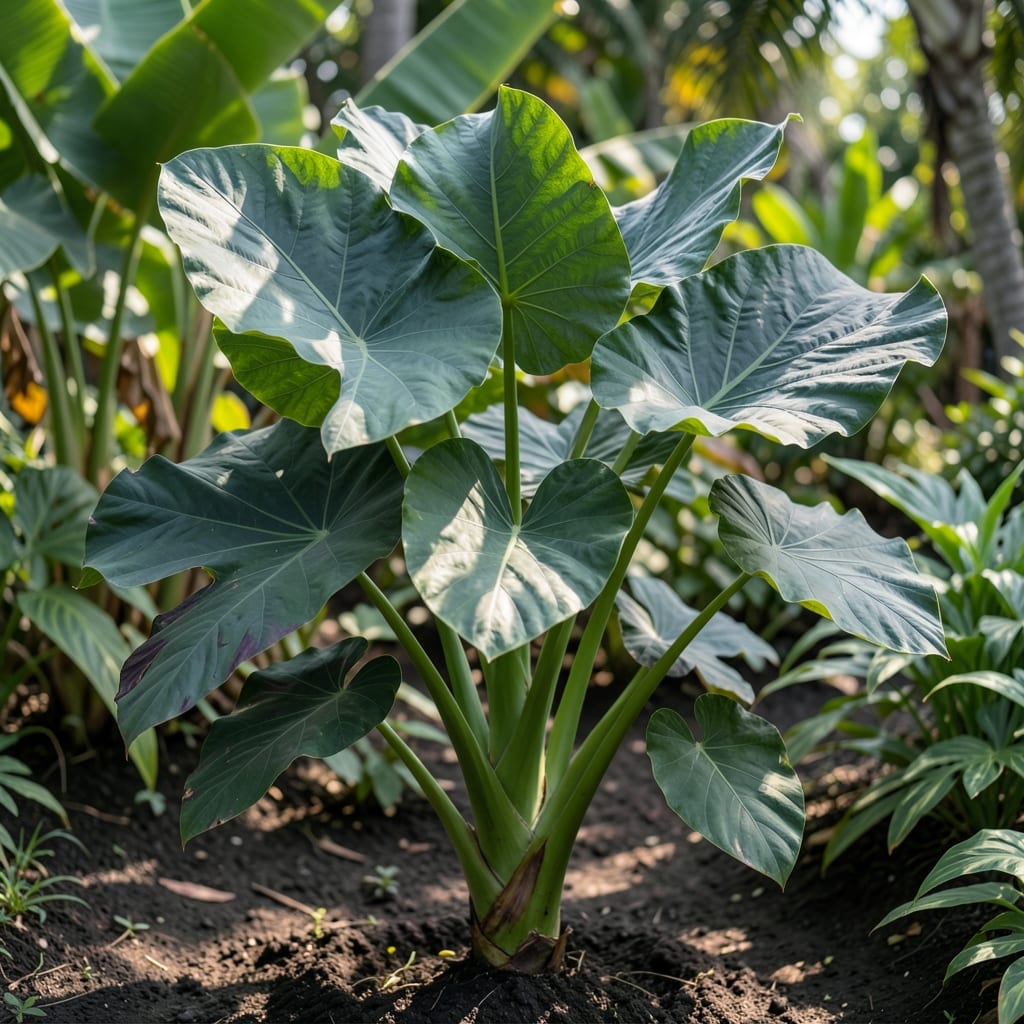
If you’ve ever marveled at how tall elephant ears 🌿 can grow, you’re not alone—these tropical stunners can shoot up like skyscrapers in your garden, reaching heights that’ll make your neighbors take notice. Some varieties, like the bold Alocasia or towering Colocasia, can climb to 6 feet or more under perfect conditions, turning your yard into a lush, dramatic statement piece.
But here’s the catch: not all elephant ears play by the same rules. While some stay compact and manageable, others grow aggressively if left unchecked. The key to unlocking their full potential—or keeping them in line—lies in understanding their needs. Whether you’re dreaming of a jungle-like backdrop or just want to keep your garden tidy, knowing how to nurture (or prune) these giants makes all the difference.
In this guide, I’ll break down exactly how tall elephant ears can grow, the factors that push them to new heights, and the simple tricks to control their size. No guesswork, just practical tips to help you grow the perfect elephant ear for your space—whether that’s a 6-foot showstopper or a neatly trimmed 3-foot beauty.
Ready to turn your garden into a tropical paradise—or just keep those leaves from shading your patio? Let’s dive in.

Elephant ear height by variety: from compact to towering giants
Elephant ears—scientifically known as Colocasia and Alocasia—are tropical showstoppers that can grow into true giants under the right conditions. While some varieties stay compact, others can reach heights that rival small trees, making them a stunning focal point in any garden. The tallest elephant ears can surpass 6 feet, with some hybrid varieties even exceeding this height when given ideal care.
If you're dreaming of a dramatic garden statement, certain elephant ear varieties are perfect for maximizing height. For example, Colocasia antiquorum (the classic "elephant ear") can grow 4 to 6 feet tall, while Alocasia hybrids like Alocasia zebrina or Alocasia polly often reach 3 to 5 feet. Meanwhile, Xanthosoma varieties, such as Xanthosoma sagittifolium, can grow even taller, sometimes exceeding 7 feet in optimal conditions.
But here’s the catch: height isn’t the only factor—leaf size and spread also play a role. Some varieties, like Colocasia esculenta, may not grow as tall but produce massive leaves up to 3 feet wide. Understanding these differences helps you choose the right variety for your space and aesthetic goals.
To achieve maximum height, these plants thrive in USDA zones 8-11, where warm temperatures and high humidity encourage rapid growth. In cooler climates, they can still grow tall but may require container cultivation or seasonal protection to prevent winter damage. Let’s break down the tallest varieties and their growth habits in the table below.
🌿
| Variety | Height Range | Leaf Size | Growth Habit | Ideal Conditions |
|---|---|---|---|---|
| Colocasia antiquorum (Classic Elephant Ear) | 4–6 ft | 2–3 ft wide | Upright, clumping | Full sun to partial shade, rich soil |
| Alocasia zebrina (Zebra Plant) | 3–5 ft | 1–2 ft wide | Compact, bushy | Partial shade, high humidity |
| Xanthosoma sagittifolium (Tannia) | 5–7 ft | 2–4 ft wide | Tall, arching | Warm climates, moist soil |
| Alocasia polly (Polly Alocasia) | 3–4 ft | 1–1.5 ft wide | Slow-growing, compact | Indoor/outdoor, bright indirect light |
| Colocasia esculenta (Taro) | 3–5 ft | 2–3 ft wide | Broadleaf, spreading | Partial shade, consistent moisture |
The table above highlights the tallest elephant ear varieties, but remember that height depends on care. For instance, Colocasia antiquorum will grow taller in full sun with regular fertilization, while Alocasia polly stays smaller and is better suited for container gardens or indoor spaces. If you're aiming for maximum height, focus on varieties like Xanthosoma sagittifolium, which can become true giants with the right conditions.
Another key factor is root system. Elephant ears produce rhizomes that spread underground, allowing them to grow larger over time. In the first year, you might see 2–3 feet of growth, but by year three, a well-established plant can easily reach 5–6 feet. This makes them a long-term investment for gardeners willing to provide the right environment.
For those in cooler climates, growing elephant ears in containers is a great way to control height and protect them from frost. Simply choose a large pot (at least 18 inches deep) and use a well-draining potting mix. With this method, you can still achieve 4–5 feet of height, though growth may be slightly slower than in-ground plantings.
🌱
One common misconception is that all elephant ears grow equally tall. In reality, genetics play a huge role. For example, Alocasia varieties tend to be shorter and bushier, while Colocasia and Xanthosoma varieties are taller and more upright. If you're after dramatic height, stick to Colocasia antiquorum or Xanthosoma hybrids. For a compact look, Alocasia polly or Alocasia zebrina are excellent choices.
Finally, don’t forget that pruning and maintenance can influence height. Regularly removing dead leaves and controlling rhizome spread helps keep plants healthy and encourages stronger vertical growth. In the next section, we’ll dive into pruning tips to help you manage height and keep your elephant ears looking their best year after year.
Pruning and care tips to control elephant ear height
If you're growing elephant ears and want to keep their height in check—or encourage even taller growth—pruning is your best friend. These tropical plants grow rapidly, and without proper maintenance, they can quickly outgrow their space. The key is to prune at the right time and use the right techniques to guide their growth. Whether you're dealing with a 6-foot giant or a 3-foot compact variety, understanding when and how to trim makes all the difference.
Most gardeners make the mistake of pruning too late in the season, which can stunt growth or even harm the plant. Instead, focus on early spring and late summer as the ideal times to prune. In early spring, you’ll remove any dead or damaged leaves from the previous season, while late summer pruning helps shape the plant and encourage new growth before winter dormancy. This two-step approach keeps your elephant ears healthy and prevents unruly height.
🌿
1. Pruning in winter: Never trim back elephant ears in winter or early spring before new growth appears. This can shock the plant and delay spring regrowth. Wait until you see new shoots emerging (usually by late April in most climates).
2. Cutting too aggressively: Avoid removing more than 1/3 of the plant’s foliage at once. Over-pruning can weaken the plant and reduce its ability to photosynthesize effectively, leading to stunted growth.
3. Ignoring rhizome spread: Elephant ears spread via rhizomes, which can lead to uncontrolled growth if left unchecked. Divide and transplant overcrowded rhizomes every 2-3 years to maintain plant health and control size.
To control height effectively, start by identifying the main stem—the thick, central stalk that supports most of the foliage. Use clean, sharp pruners (or a sterilized knife) to make angled cuts just above a leaf node. This encourages the plant to branch out rather than grow taller. For varieties like Colocasia antiquorum, which can reach 6 feet, you might need to prune back by 1-2 feet in late summer to maintain a manageable height.
Another pro tip is to pinch back new growth in early summer. When you see young shoots reaching 6-8 inches tall, gently pinch off the top inch of growth. This stimulates bushier growth and prevents the plant from shooting up vertically. It’s a simple trick that works wonders for Alocasia varieties, which tend to grow taller and leaner without this intervention.
For container-grown elephant ears, height control is even easier. Since pots limit root spread, growth is naturally more compact. However, you’ll still need to prune regularly to prevent the plant from becoming top-heavy. Choose a large enough pot (at least 18 inches deep) and repot every 2-3 years to refresh the soil and control rhizome growth. This method is perfect for Alocasia polly, which stays 3-4 feet tall even in containers.
Finally, don’t forget that fertilization plays a role in height control. Too much nitrogen-rich fertilizer can lead to excessive leafy growth, making the plant taller and leggier. Instead, use a balanced 10-10-10 fertilizer and apply it sparingly—about 1 tablespoon per plant every 4-6 weeks during the growing season. This ensures your elephant ears grow strong and sturdy without shooting up uncontrollably.
With these pruning and care tips, you can easily manage the height of your elephant ears—whether you want a towering tropical giant or a neat, compact specimen. Next, we’ll explore how to optimize soil and sunlight for even taller (or more controlled) growth, so stay tuned! 🌱