
How To
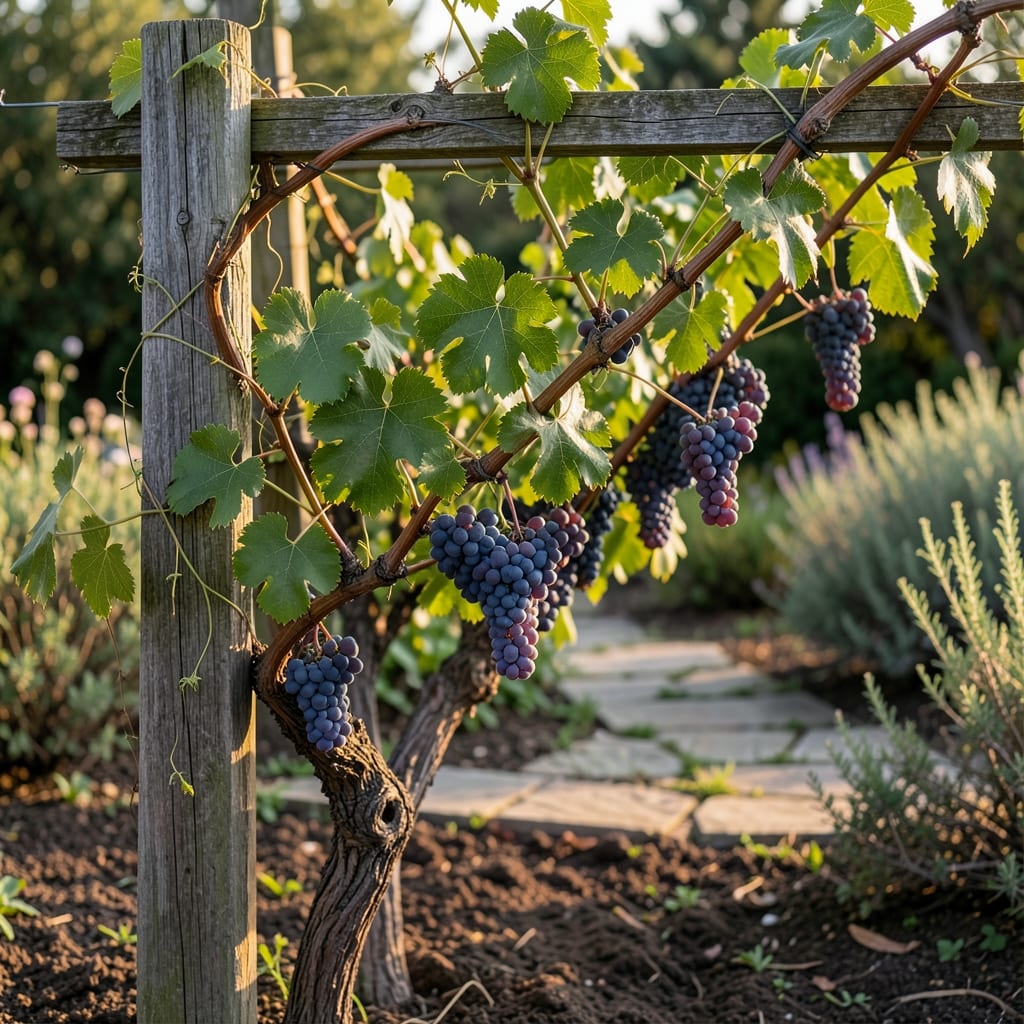
If you’ve ever wondered how tall grape vines can grow in your backyard, you’re not alone. Some varieties can reach heights of 60 feet—taller than a two-story house—while others stay neatly contained. The good news? With the right knowledge, you can control their growth and enjoy a thriving vineyard in even the smallest space.
Understanding how tall a grape vine can grow depends on the variety, your climate, and how you prune it. Muscadine grapes, for example, typically stay between 15–25 feet, while Concord vines can stretch up to 30 feet if left unchecked. The key is learning which types suit your garden and how to manage their height without sacrificing fruit production.
Pruning isn’t just about keeping your vine in check—it’s also about maximizing yield and ensuring healthy growth. Whether you’re training your vine along a trellis or letting it sprawl, the right techniques can make all the difference. I’ll show you how to tame even the tallest varieties so they stay manageable and productive.
Ready to turn your grape-growing dreams into reality? Let’s dive into the secrets of controlling vine height, from species-specific limits to pruning hacks that work for both backyard growers and commercial vineyards.


Grape vine height by species: from compact to towering giants
Grape vines are famous for their dramatic growth, but their mature height varies wildly depending on the species. Some varieties, like the Muscadine grape, stay between 15–25 feet, making them perfect for smaller backyards. Others, such as Vitis vinifera (common wine grapes), can reach 30–60 feet—taller than a two-story house—if left unchecked. Understanding these differences helps you choose the right variety for your space and climate.
The Concord grape, a popular American variety, typically grows 20–30 feet tall, while Thompson Seedless grapes (used in raisins) can stretch 25–40 feet. Even within the same species, factors like soil quality, sunlight exposure, and pruning habits can influence how tall a vine becomes. For example, a well-pruned Concord vine might stay under 20 feet, while an unpruned one could double that height.
Climate plays a huge role too. In warmer regions (USDA Zones 8–10), grape vines grow faster and taller due to longer growing seasons. In cooler climates (Zones 5–7), growth slows, and vines may max out at 15–25 feet unless given extra care. If you’re in a small urban garden, dwarf varieties like ‘Black Monukka’ (a compact Vitis coignetiae) stay under 10 feet, making them ideal for containers or trellises.
Here’s the key takeaway: Height isn’t set in stone. With the right pruning techniques and support structures, even towering varieties can be managed. For instance, a 30-foot vinifera vine can be trained along a permanent trellis to stay within a 10-foot vertical space. The secret? Start pruning early and guide growth intentionally.
| Variety | Mature Height | Growth Habit | Best For |
|---|---|---|---|
| Muscadine (Vitis rotundifolia) | 15–25 ft | Sprawling, woody | Backyards, warm climates |
| Concord (Vitis labrusca) | 20–30 ft | Vigorous, upright | Jams, juice, home gardens |
| Vinifera (Vitis vinifera) | 30–60 ft | Tall, climbing | Wine, commercial vineyards |
| Thompson Seedless | 25–40 ft | Fast-growing, sprawling | Raisins, large spaces |
| Black Monukka (Vitis coignetiae) | 8–12 ft | Compact, ornamental | Containers, small gardens |
🌱 Note: Heights assume standard pruning. Unpruned vines can exceed these ranges.
If you’re growing grapes in a commercial vineyard, height control is critical for harvest efficiency and disease prevention. Tall vines are harder to manage, require more labor for pruning, and are prone to fungal diseases like powdery mildew if airflow is poor. In contrast, home gardeners often prioritize space-saving techniques, like vertical trellises or fan-trained systems, to keep vines under 10–15 feet.
For small spaces, consider dwarf rootstocks like ‘Dog Ridge’, which keeps vines under 8 feet. These are grafted onto smaller root systems, limiting height while maintaining fruit production. Even in large gardens, pruning to a “hedge” system (keeping vines at
Grape vine height by species: from compact to towering giants
Grape vines are famous for their dramatic vertical growth, but their mature height varies wildly depending on the variety and growing conditions. Some types, like Muscadine grapes, stay between 15–25 feet, making them ideal for smaller backyards, while others, like Vinifera varieties, can soar to 60 feet or more. The key to managing their size lies in understanding each type’s natural growth habit and how your climate influences it.
In commercial vineyards, grapevines are often trained to 15–25 feet for easier harvesting, but in home gardens, they can grow much taller if left unchecked. For example, Concord grapes typically reach 20–30 feet, while Thompson Seedless vines can stretch up to 35 feet. If you’re working with limited space, choosing a dwarf or semi-dwarf variety is your best bet.
Soil quality and sunlight also play a huge role. Well-draining, nutrient-rich soil paired with full sun exposure encourages faster growth, while cooler climates may slow vine expansion. For instance, Northern climates often see shorter vines compared to Southern regions, where vines can grow aggressively. Let’s break down the height expectations for popular varieties so you can pick the perfect fit for your space.
| Variety | Mature Height | Growth Habit | Best For |
|---|---|---|---|
| Muscadine | 15–25 ft | Sprawling, strong wood | Small backyards, trellises |
| Concord | 20–30 ft | Aggressive climber | Large gardens, pergolas |
| Thompson Seedless | 30–50 ft | Fast-growing, needs support | Commercial vineyards, arbors |
| Vinifera (e.g., Cabernet) | 40–60 ft | Tallest, needs pruning | Large properties, professional growers |
If you’re growing grapes in a small urban garden, consider dwarf varieties like ‘Black Monukka’, which maxes out at 8–12 feet. These are perfect for containers or trellises and require minimal pruning. On the other hand, if you have ample space and want a classic vineyard feel, varieties like ‘Chardonnay’ or ‘Merlot’ (both Vinifera types) will thrive with proper training and support structures.
Climate also dictates growth speed. In hot, dry regions, vines may grow faster but produce smaller fruit, while cooler, humid climates slow growth but encourage larger berries. For example, Pacific Northwest growers often see shorter, bushier vines compared to Southern California’s towering specimens. Adjust your expectations—and pruning—based on your local conditions.
Remember, even the tallest grapevines start small. In their first year, most varieties grow just 3–5 feet, while by year three, they can reach 15–20 feet. Plan ahead by installing trellises or arbors early to guide their growth and prevent them from becoming unmanageable. With the right variety and care, you can enjoy bountiful harvests without sacrificing your garden’s layout.