
Size
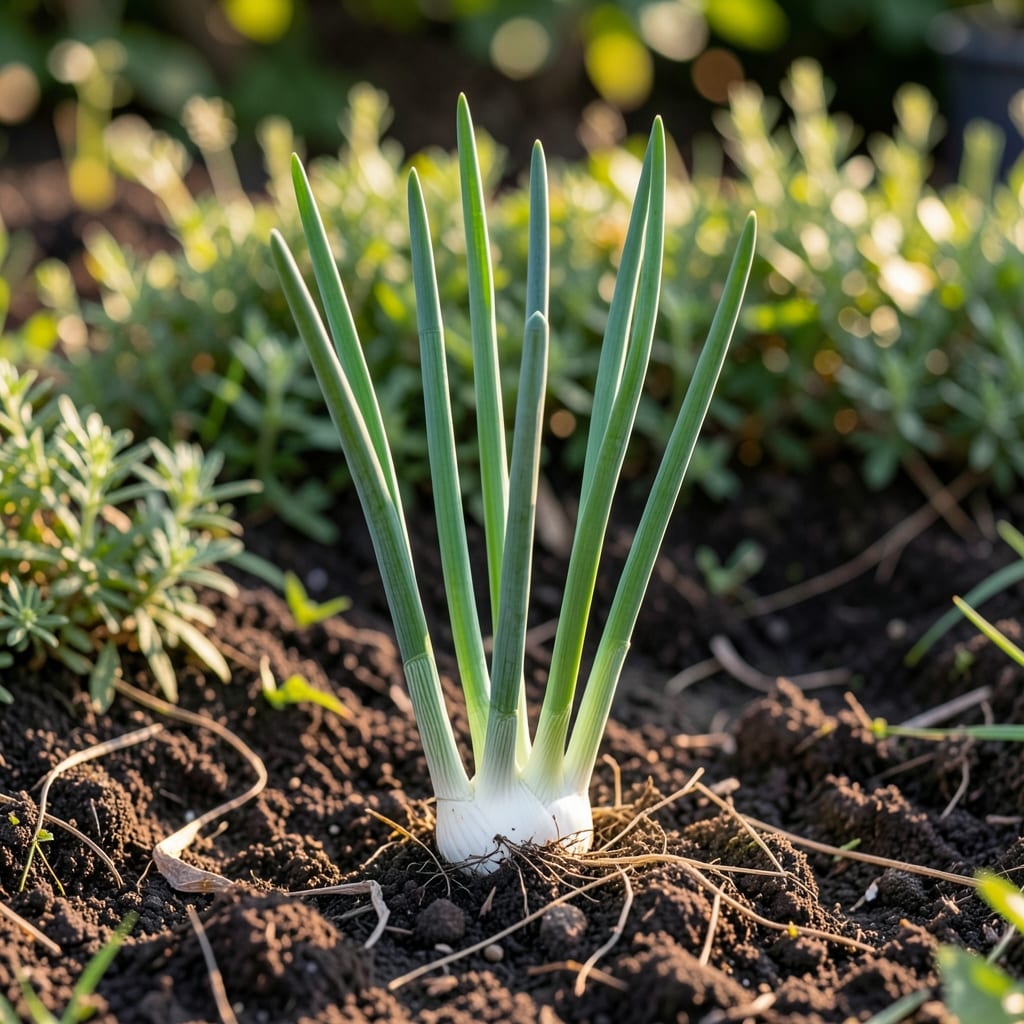
If you’ve ever snipped your 🧅 green onions and wondered how tall they can grow, you’re not alone. The height of your green onions isn’t just luck—it’s science, variety, and a little know-how. Whether you’re growing them in your backyard or a sunny windowsill, understanding how tall they can grow helps you plan for the perfect harvest every time.
Most gardeners expect green onions to stay modest—around 6 to 12 inches—but some varieties, like the towering ‘Tokyo Long White,’ can stretch toward 2 feet if given the right conditions. The key lies in soil richness, sunlight exposure, and even how often you harvest. Overcrowding or poor nutrition can stunt growth, while ideal care turns those scrappy greens into lush, harvest-ready stalks.
Here’s the game-changer: green onions don’t just grow—they regrow after cutting, often reaching new heights if you snip them correctly. I’ll show you how to coax them into your preferred size, whether you want bushy microgreens or long, full-length scallions. Ready to unlock the secrets to controlling their height? Let’s dive in.
From USDA Zone 6a gardens to container setups, I’ll walk you through the factors that influence growth and how to troubleshoot when your green onions bolt or flop. By the end, you’ll know exactly how tall your 🧅 green onions can grow—and how to make it happen in your own space.

Green onion variety height guide: from mini scallions to towering stalks
Green onions—also called scallions—are deceptively variable in height. While most gardeners picture the classic 6-inch green onion from the grocery store, some varieties stretch toward 2 feet when given ideal conditions. The key difference? Variety selection and growing techniques. Let’s break down the height spectrum of popular green onions and what influences their growth.
Understanding your variety’s growth habit is the first step to controlling height. For example, ‘Evergreen Hardy White’ stays compact at 8–12 inches, while ‘Tokyo Long White’ can reach 18–24 inches. Even within the same plant, you can encourage shorter or taller growth by adjusting when and how you harvest. Let’s explore the full range.
🌱 Did You Know? Some green onions (like ‘Perpetual’ varieties) regrow after cutting, allowing you to control height through repeated harvests. Others, like ‘Beltsville Bunching’, grow taller but don’t regrow as reliably.
Sunlight is the #1 factor determining how tall your green onions grow. Most varieties thrive with 6+ hours of full sun daily, but too much heat can cause them to bolt (shoot up quickly). If your stalks are stretching toward the sky but staying thin, they’re likely light-starved. Conversely, partial shade (3–4 hours of sun) keeps growth compact but may reduce flavor intensity.
Soil fertility plays a surprising role in stalk height. Over-fertilizing with nitrogen-rich amendments (like fresh manure) promotes leafy growth but can stunt bulb development. For shorter, bushier green onions, use a balanced 5-10-10 fertilizer and avoid heavy feeding. If you want taller stalks, add a light compost top-dressing in early spring to encourage vertical growth.
Temperature swings also affect height. Green onions grown in cool climates (USDA Zones 3–7) tend to stay shorter (6–12 inches) unless extended into late summer. In warm climates (Zones 8–10), they can bolt prematurely if not harvested quickly. For year-round growth, succession plant every 2–3 weeks to ensure a steady supply of 6–12 inch stalks.
Container growing is a great way to control height. In pots, green onions rarely exceed 10–14 inches because root space is limited. Use 5–7 inch diameter containers for single plants or 12-inch-wide troughs for multiple stalks. The key? Well-draining soil with 1 inch of compost mixed in to prevent legginess.
Harvest timing directly impacts height. If you cut green onions at 4–6 inches, they’ll regrow to the same height repeatedly. Wait until they reach 8–12 inches, and you’ll get one tall harvest before the plant bolts. For microgreens, snip at 2–3 inches for a bushier, shorter plant.
🌿 Pro Tip: If your green onions are growing too tall too fast, they’re likely bolting due to heat stress or maturity. Pull the entire plant, compost it, and replant for a fresh batch of 6–12 inch stalks in 4–
How to control green onion height: pruning, harvesting, and growth hacks
Want to grow bushy microgreens or tall scallions? The secret lies in how you prune and harvest. Unlike many herbs, green onions regrow after cutting, making them one of the most forgiving plants for height control. The key is timing: cut them at the right height to encourage either compact regrowth or taller stalks for full-length harvests.
For shorter, bushier green onions (ideal for microgreens or container growing), snip the stalks when they reach 2–3 inches tall. This triggers the plant to send out multiple side shoots, creating a dense, 6–8 inch cluster. Repeat this every 2–3 weeks for a continuous harvest of short, flavorful greens without bolting.
🌱 Did You Know? The cut-and-come-again method works best with ‘Perpetual’ or ‘Evergreen Hardy White’ varieties, which regrow aggressively after pruning. For taller varieties like ‘Tokyo Long White’, this technique still applies but may require slightly taller initial cuts (3–4 inches) to avoid stunting.
Harvest Early vs. Let Grow Tall
Harvest Early (2–4 inches)
- ✅ Bushier regrowth (6–8 inches)
- ✅ Longer harvest window (4–6 cuts per season)
- ✅ Microgreen potential for salads
- ❌ Slower bulb development
Let Grow Tall (6–12 inches)
- ✅ Full-length scallions (ideal for stir-fries)
- ✅ Developed bulbs for stronger flavor
- ✅ Single harvest before bolting
- ❌ Limited regrowth after cutting
If you prefer taller stalks, wait until green onions reach 6–8 inches before harvesting. This gives the plant time to develop a swollen bulb base and stronger flavor. For varieties like ‘Tokyo Long White’, you can even let them grow to 12–18 inches for dramatic, restaurant-quality scallions—but harvest them before they bolt!
Companion planting is another game-changer for controlling height. Pair green onions with bush beans or lettuce to shade their roots slightly, which slows vertical growth. Avoid planting near garlic or onions, which can compete for nutrients and stunt height. A light mulch (1–2 inches of straw) also helps retain moisture and encourages shorter, stockier growth.
Soil fertility is often overlooked but critical for height control. Over-fertilizing with nitrogen (like fresh manure) promotes leafy growth but can make stalks leggy and weak. Instead, use a balanced 5-10-10 fertilizer every 4–6 weeks to encourage compact, sturdy growth. For taller stalks, add a compost top-dressing in early spring to boost root development.
💡 Pro Tip: If your green onions start bolting (shooting up quickly with flower stalks), it’s too late to save them for height control. Pull the entire plant and replant for a fresh batch. To prevent bolting, succession plant every 2–3 weeks in cool seasons (spring/fall) when temperatures stay below 75°F.