
Size
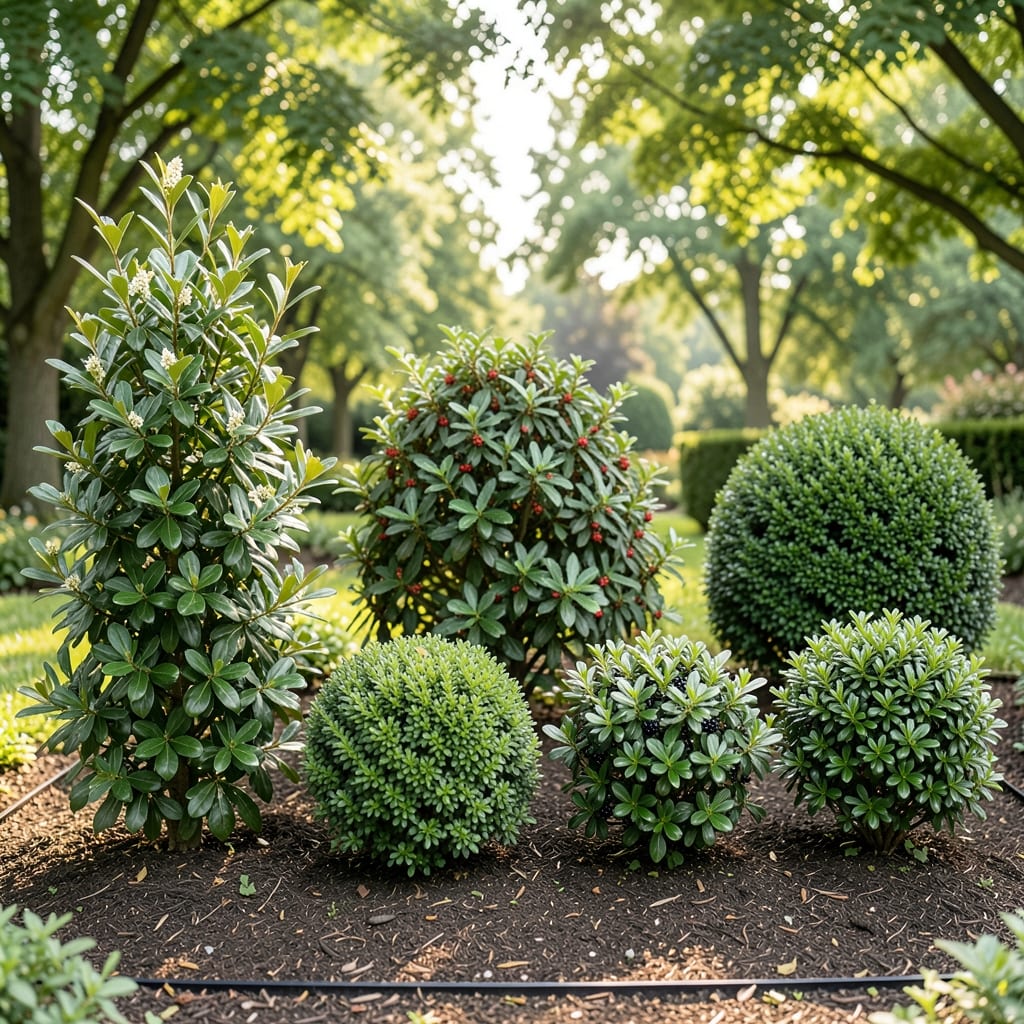
If you're wondering how tall can hedges grow, the answer might surprise you—some varieties can stretch taller than your two-story house! 🌿 Whether you're dreaming of a towering privacy screen or a cozy, waist-high border, the right hedge species can turn your vision into reality.
The key to unlocking a hedge's full height potential lies in choosing the right species and understanding its growth habits. Some, like the fast-growing Leyland Cypress, can reach 60 feet or more with proper care, while others like Boxwood stay neatly contained at just 3-4 feet. The difference comes down to genetics, pruning techniques, and even your local climate.
But here's the catch: not all tall hedges are created equal. Some demand constant pruning to maintain their shape, while others grow effortlessly with minimal upkeep. I'll break down the fastest-growing varieties, their mature heights, and the secrets to encouraging vertical growth without sacrificing health.
Ready to transform your yard? Let's explore which hedges will give you the privacy, beauty, and wind protection you crave—whether you want a modest 6-foot screen or a sky-high statement piece.


Tallest hedge species: sky-high limits & growth rates revealed
If you're envisioning a privacy barrier that blocks nosy neighbors or a windbreak that shields your yard from storms, some hedges can grow taller than a two-story house. The Leyland Cypress, for example, can reach 60+ feet with proper care, while others like Hornbeam max out at 15-20 feet. The key? Choosing the right species for your goals and climate.
Not all tall hedges grow at the same rate. Some, like Thuja Green Giant, shoot up 3-5 feet per year in ideal conditions, while others like Boxwood grow just 6-12 inches annually. Your pruning strategy and soil quality can push a hedge to its genetic height ceiling—or keep it stunted if neglected.
Before planting, check your USDA hardiness zone and local frost dates. Most tall hedges thrive in zones 5-9, but Leyland Cypress struggles in zone 4 winters. A well-draining soil rich in organic matter also accelerates growth, while compacted clay can stunt even the fastest growers.
| Hedge Species | Mature Height | Annual Growth | Best For |
|---|---|---|---|
| Leyland Cypress | 60+ ft | 3-5 ft/year | Privacy screens, windbreaks |
| Thuja Green Giant | 30-40 ft | 2-3 ft/year | Year-round privacy |
| Hornbeam | 15-20 ft | 1-2 ft/year | Formal hedges, topiary |
| Emerald Green Arborvitae | 12-15 ft | 1-1.5 ft/year | Narrow spaces, borders |
| Boxwood | 3-6 ft | 6-12 in/year | Formal gardens, hedges |
| Privet | 10-15 ft | 1-2 ft/year | Fast-growing screens |
| Cherry Laurel | 20-30 ft | 2-3 ft/year | Evergreen privacy |
| Eucalyptus | 50-70 ft | 4-6 ft/year | Tropical climates |
| Holly | 15-25 ft | 1-2 ft/year | Year-round color |
| Yew | 10-20 ft | 6-12 in/year | Formal hedges, topiary |
For fastest growth, prioritize Leyland Cypress or E
How to maximize hedge height: pruning tips & growth hacks
Want a hedge that reaches for the sky? The secret lies in strategic pruning and growth optimization. Most hedges can grow taller with the right care, but timing and technique make all the difference. I’ve learned that pruning at the wrong time can stunt growth or even kill your hedge—so let’s get this right!
First, prune for height by cutting just above a leaf node or bud, never at a bare stem. This encourages new growth upward. For fast vertical expansion, focus on late winter or early spring pruning, right before new shoots emerge. Avoid heavy pruning in fall, as it stresses plants before winter dormancy.
🌱 Pro Tip: Use sharp, clean shears to avoid tearing branches. Dull blades create jagged cuts that invite disease and slow recovery.
🌿 Step-by-Step Pruning for Height
- Step 1: Prune new growth in early spring to encourage upward branching.
- Step 2: Use hand shears for precision—avoid hedge trimmers for delicate cuts.
- Step 3: Cut just above a leaf node to promote vertical shoots.
- Step 4: Space cuts every 6-12 inches for even growth.
- Step 5: Avoid topping—this stunts height and creates weak growth.
Soil and sunlight play equally critical roles. Well-draining, nutrient-rich soil fuels rapid vertical growth, while 6+ hours of sunlight ensures energy for expansion. I’ve seen hedges like Leyland Cypress shoot up 3 feet per year in ideal conditions—but poor soil or shade can halve that growth.
Watering matters too! Deep, morning watering prevents stress, while mulching retains moisture and nutrients. Overwatering, though, can lead to root rot—so always check soil moisture before watering again. A simple finger test (1-2 inches deep) tells you if your hedge is thirsty.
Finally, fertilize in early spring with a balanced 10-10-10 blend to support rapid growth. Avoid heavy fertilizers in late summer, as they encourage tender new growth vulnerable to frost. With these tips, you’ll coax your hedge to its full height potential—without the guesswork!