
How To
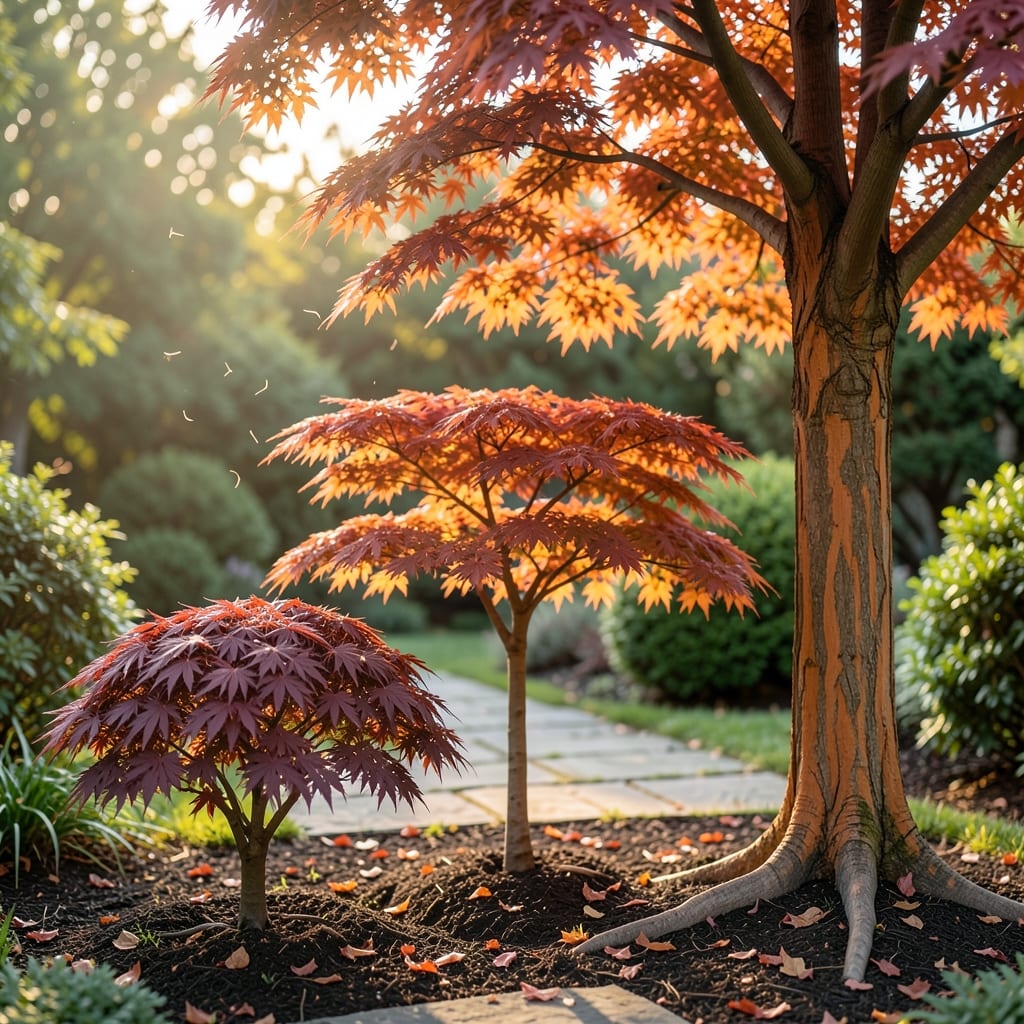
Wondering how tall can Japanese maples grow? These stunning 🌿 Japanese maples can surprise you—some stay small enough for a patio, while others stretch toward the sky like a 30-foot giant. The difference often comes down to the variety you choose and how you care for it.
If you're dreaming of a delicate dwarf variety like 'Shishigashira' that tops out at just 6 feet, or a bold statement tree like 'Bloodgood' reaching 25 feet, your space and vision will dictate the perfect fit. The good news? With the right pruning and placement, you can shape their growth to match your garden's needs.
Growth isn't just about genetics—soil quality, sunlight exposure, and even your USDA Zone 6a climate play a role. A well-drained spot with partial shade will encourage healthy growth, while heavy clay or full sun can stunt their potential. Let’s break down the heights you can expect and how to keep them thriving.
From tiny tabletop specimens to towering shade providers, Japanese maples offer something for every garden. Whether you're planning a spring planting or just curious about their long-term size, this guide will help you pick the perfect tree for your space—and keep it looking its best for decades.

Japanese maple height ranges by variety: dwarf to giant sizes explained
Japanese maples (Acer palmatum) are famous for their stunning foliage and compact growth habits, but their mature heights can vary dramatically. Some varieties stay under 5 feet, perfect for containers or small patios, while others grow 30 feet tall, making them focal points in large landscapes. The key to choosing the right one lies in understanding their genetic potential and growth habits.
Height isn’t the only factor—spread and growth rate also play a role. For example, a 6-foot tree might have a 10-foot spread, while a 25-foot giant could stay narrow. Always check both dimensions when planning your garden layout. Let’s break down the most popular varieties by size category.
| Variety | Mature Height (ft) | Mature Spread (ft) | Growth Rate | Best For |
|---|---|---|---|---|
| 'Shishigashira' | 3–5 ft | 4–6 ft | Slow | Containers, patios |
| 'Bloodgood' | 15–25 ft | 15–20 ft | Moderate | Yards, focal points |
| 'Crimson Queen' | 10–15 ft | 12–15 ft | Slow to moderate | Small gardens, borders |
| 'Atropurpureum' | 20–30 ft | 20–25 ft | Moderate to fast | Large landscapes, shade trees |
| 'Orangeola' | 10–12 ft | 8–10 ft | Slow | Containers, small yards |
The 'Shishigashira' variety is a dwarf powerhouse, often used in bonsai-style gardens or as a tabletop tree. Its slow growth means it stays manageable even in 10-gallon containers. On the other end, 'Atropurpureum' can rival oak trees in height, requiring ample space and regular pruning to maintain shape.
If you’re unsure which size to choose, consider your garden’s scale. A 6-foot tree fits beautifully in a small courtyard, while a 20-foot specimen can anchor a backyard oasis. Always measure your space before purchasing—Japanese maples hate being transplanted once mature!
Pro tip: Check the nursery tag for the expected mature size. Some varieties, like 'Bloodgood', can grow 25% taller in ideal conditions (full sun, rich soil). If you want to control height, prune in late winter before new growth begins.
For urban gardens or balconies, opt for dwarf varieties like 'Orangeola' or 'Tamukeyama' (which stays under 4 feet). These thrive in 5-gallon pots and add year-round color without overwhelming your space.
Remember, height isn’t everything. The 'Crimson Queen' might only reach 15 feet, but its vibrant red foliage and weeping branches make it a showstopper in any garden. Choose based on both size and aesthetic impact!
Need help picking the perfect variety? Look for local climate notes—some maples struggle in hot, dry summers or freezing winters. Your USDA hardiness zone matters!
🌿
How growth rate and pruning affect Japanese maple height
Japanese maples grow at different speeds depending on their variety, care, and environment. While some dwarf varieties like 'Shishigashira' grow just 1-2 feet per year in their early years, larger types like 'Atropurpureum' can shoot up 2-3 feet annually when conditions are ideal. Understanding these growth rates helps you predict how quickly your tree will reach its mature height.
The soil quality is one of the biggest factors. Japanese maples thrive in well-draining, slightly acidic soil (pH 5.0–6.5). Heavy clay or compacted soil can stunt growth, while rich, loamy soil encourages faster expansion. Amending your soil with organic matter like compost can make a noticeable difference in height over time.
🌱
Pruning Tips to Control Height
Prune in late winter (before buds swell) to shape your Japanese maple. For height control, remove 1/3 of the tallest branches annually. Avoid heavy pruning in summer—it stresses the tree and can lead to suckering or weak growth.
Sunlight exposure also plays a critical role. While Japanese maples prefer partial shade (4–6 hours of sun), too little light slows growth, while too much can scorch leaves and stunt height. In hot climates, provide afternoon shade to protect delicate foliage. If you're growing a large variety like 'Bloodgood', ensure it gets enough light to reach its full 25-foot potential.
Seasonal care matters too. In spring, fertilize lightly to encourage growth, but avoid heavy feeding—it can lead to weak wood and faster (but less stable) height gain. During winter, protect young trees from frost with mulch or burlap wraps. Cold snaps can damage new growth, slowing height progression the following season.
If you're growing a containerized Japanese maple, root-bound conditions will limit height. Repot every 2-3 years in spring to refresh soil and encourage upward growth. Dwarf varieties like 'Orangeola' thrive in 5-gallon pots, while larger types need 15-gallon+ containers to reach their full potential.
Remember, height isn’t the only goal. A well-pruned tree with balanced branches will have better foliage display and structural integrity. Use thinning cuts (removing entire branches) to improve airflow and light penetration, which keeps the tree healthy and encourages even growth.
🪴