
Trees
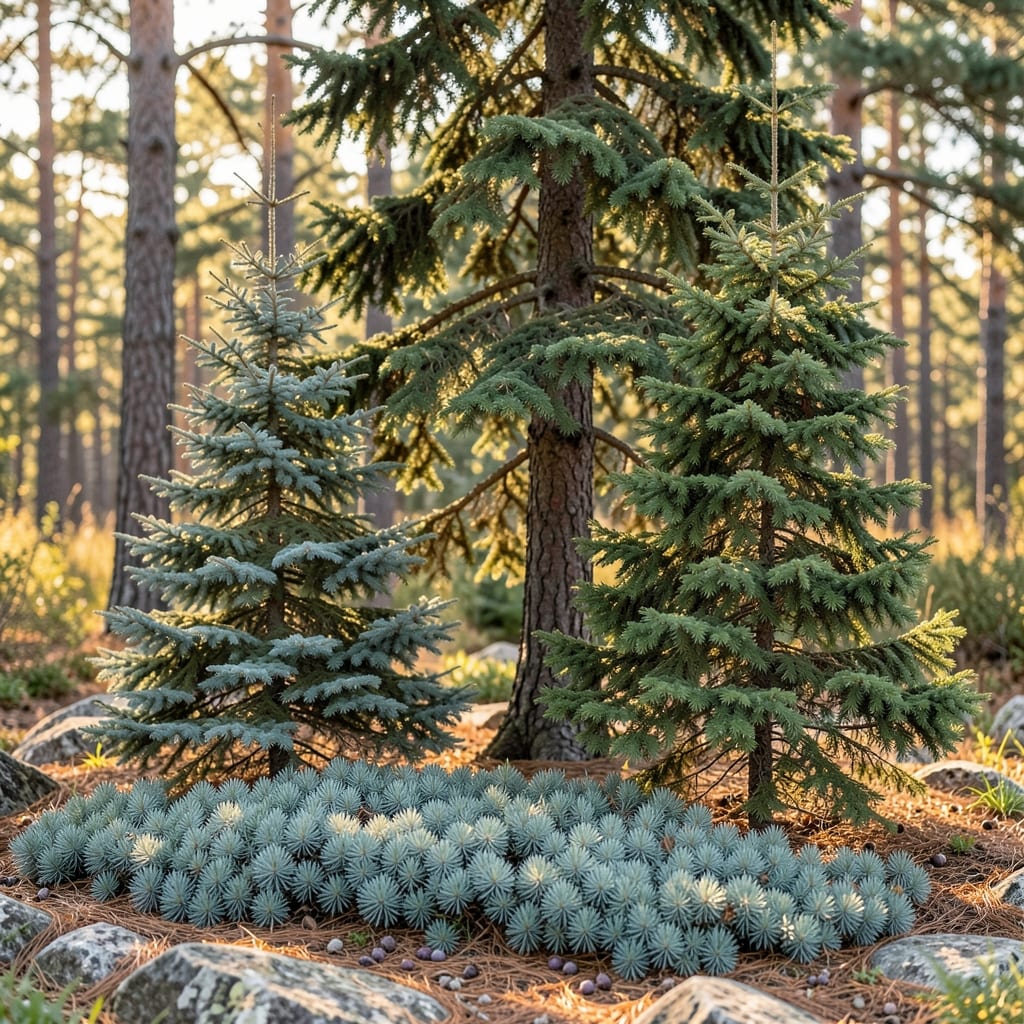
If you're dreaming of adding a juniper tree 🌲 to your yard, you might be wondering just how tall these evergreen stars can grow. The answer varies wildly—from tiny shrubs perfect for containers to towering giants that could dwarf your two-story home!
Some juniper species stay under 3 feet, making them ideal for small gardens or even as potted accents. Others, like the Eastern Red Cedar, can soar to 40 feet or more, offering year-round privacy and wildlife benefits. The key? Choosing the right variety for your space and understanding how factors like soil, sunlight, and pruning can influence their growth.
Whether you're planning a cozy backyard retreat or a bold landscape statement, knowing your juniper's potential height helps you avoid future headaches. I'll break down the most popular species, their mature sizes, and practical tips to keep them at your desired height—no matter how big (or small) you're aiming for.
Ready to find the perfect juniper for your vision? Let's explore how these versatile trees can transform your outdoor space—from dwarf varieties to sky-high sentinels.

Juniper tree height by species: dwarf to giant varieties explained
Juniper trees come in an incredible range of sizes, from ground-hugging shrubs to towering evergreens that can reach the height of a house. The species you choose will determine everything from your pruning effort to your landscape's overall look. Let's explore the height spectrum so you can pick the perfect juniper for your space.
For landscape planning, it's crucial to understand that height categories aren't strict rules but general guidelines. Most junipers fall into four main height groups: dwarf varieties (under 3 feet), shrub varieties (3-10 feet), small trees (10-20 feet), and large trees (20+ feet). The key is matching your space's dimensions with the right species.
Here's where things get interesting: some junipers like Juniperus horizontalis stay compact enough for rock gardens, while others like Juniperus virginiana can become towering privacy screens. Even within species, cultivar variations can dramatically affect height—like the Blue Rug juniper staying under 2 feet while its parent species reaches 15 feet.
Your local climate also plays a role. Junipers in USDA Zones 3-7 often grow taller than those in hotter climates, where drought stress can limit their height. For example, a Rocky Mountain juniper might stay shorter in Arizona's heat compared to Colorado's cooler mountains.
| Height Category | Species/Cultivar | Mature Height | Best For |
|---|---|---|---|
| Dwarf | Blue Rug Juniper | 1-2 ft | Rock gardens, containers |
| Dwarf | Wichita Blue Juniper | 3-4 ft | Foundation planting, borders |
| Shrub | Creeping Juniper | 3-6 ft | Ground cover, slopes |
| Small Tree | Sargent Juniper | 10-15 ft | Small yards, specimen planting |
| Large Tree | Eastern Red Cedar | 30-40 ft | Privacy screens, windbreaks |
| Large Tree | Pinyon Juniper | 25-35 ft | Arid landscapes, wildlife habitat |
The Eastern Red Cedar (Juniperus virginiana) is one of the fastest-growing junipers, capable of reaching 40 feet in ideal conditions. This makes it perfect for privacy screens along property lines, but it requires regular pruning if you want to keep it smaller. In contrast, the Sargent Juniper grows more slowly to 10-15 feet, making it ideal for smaller yards where you want a statement tree without the maintenance.
For container gardening, look for cultivars like Blue Rug or Blue Star, which stay under 2 feet tall. These work beautifully on patios or balconies, adding year-round color without taking up space. Just remember that even dwarf varieties need well-draining soil and full sun to stay compact.
If you're planning a windbreak or wildlife habitat, taller junipers like the Rocky Mountain Juniper (up to 25 feet) are excellent choices. Their dense foliage blocks harsh winds while providing shelter for birds and small mammals. The Pinyon Juniper is another great option for arid climates, offering both height and drought resistance.
One common mistake is assuming all junipers grow to similar heights. The Savin Juniper, for example, typically stays between 10-20 feet, while its cousin, the Shore Juniper, can reach 30 feet. Always check the specific cultivar's mature height before planting to avoid surprises down the road.
For urban gardens with limited space, consider the Skyrocket Juniper, which grows in a narrow column to 15 feet—perfect for tight spaces. Its vertical growth habit makes it ideal for narrow garden beds or as a living fence alternative. Always measure your space carefully before selecting a juniper variety!
How fast do juniper trees grow to their maximum height?
One of the biggest questions when planting junipers is how quickly they'll reach their mature height. The answer varies dramatically—some dwarf varieties creep along at just 0.5 inches per year, while fast-growing giants like the Eastern Red Cedar can shoot up 12+ inches annually. Understanding these growth rates helps you plan for privacy screens, windbreaks, or even container gardening without years of waiting.
Most junipers follow a predictable growth pattern: rapid early growth (first 5-10 years) that slows as they mature. For example, a Sargent Juniper might grow 6-12 inches per year in its youth but only 2-4 inches annually after reaching 10 feet. This means a 15-foot tree could take 10-15 years to fully mature—longer in poor soil or shade.
Here’s what influences growth speed beyond the species itself:
- 🌱 Soil quality: Well-draining, nutrient-rich soil can double growth rates compared to clay or sandy soils.
- ☀️ Sunlight: Full sun (6+ hours daily) maximizes growth; shade can reduce height by 30-50%.
- 💧 Watering: Deep, infrequent watering (every 10-14 days) encourages deeper roots and faster vertical growth.
- 🪴 Pruning: Regular pruning in early spring can stimulate bushier (but slower) growth; avoiding pruning lets trees grow taller faster.
- 🌡️ Climate: Cooler climates (USDA Zones 3-5) often see faster growth than hot, dry regions.
If you're impatient for a privacy screen, fast-growing junipers like the Eastern Red Cedar or Rocky Mountain Juniper are your best bets. These can add 3-5 feet per year in ideal conditions, creating a dense barrier in just 5-7 years. For dwarf varieties, like Blue Rug, growth is glacial—expect only 1-2 inches per year, but they’ll stay compact forever with minimal effort.
To accelerate growth, focus on these three factors: well-draining soil, full sun exposure, and deep watering. Avoid over-fertilizing—junipers are low-maintenance and can scorch in rich soil. For controlling height, prune in late winter before new growth starts. Cut back 1/3 of the tallest branches annually to encourage bushier, shorter growth.
One common misconception is that all junipers grow at the same pace. The Skyrocket Juniper, for example, grows 6-12 inches per year vertically but stays narrow, while the Creeping Juniper spreads horizontally at 12+ inches per year but barely gains height. Always check a species’ growth rate before planting—it’s the difference between a 5-year privacy screen and a 15-year wait.
For urban gardens with limited space, slow-growing varieties like Wichita Blue (3-4 feet in 10 years) are ideal. They require almost no pruning and thrive in containers. Meanwhile, Pinyon Juniper can add 2 feet per year in arid climates, making it perfect for desert landscapes where water is scarce. The key is matching your patience and space to the right juniper’s growth habits.