
Vegetables
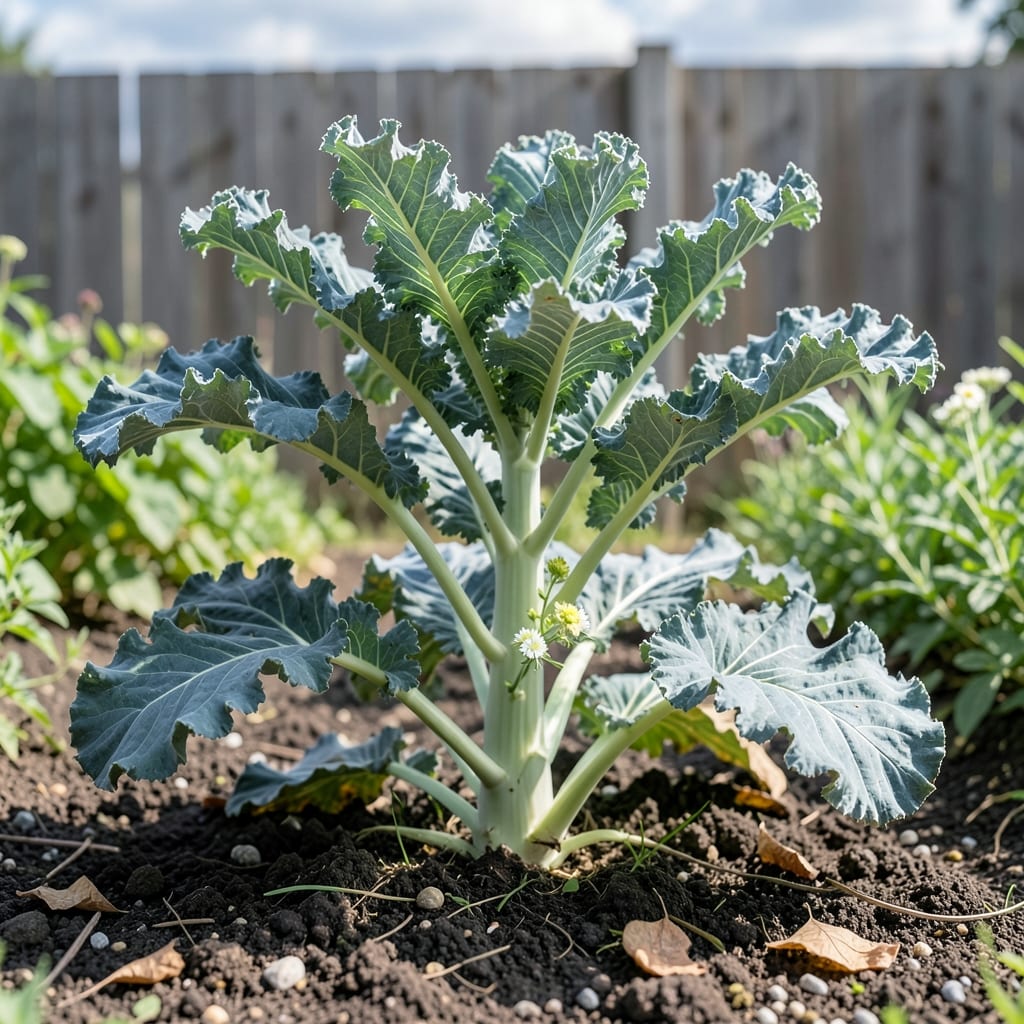
If you've ever wondered just how tall your 🥬 kale can grow before it turns into a leafy jungle, the answer might surprise you. Kale isn't just a hardy green—it's a plant with personality, and its height depends entirely on the variety you're growing. Some stay compact and manageable, while others reach towering heights that could make your garden look like a verdant skyscraper.
For home gardeners in USDA Zone 6a, understanding these height differences is the key to planning your garden layout and maximizing your harvest. Whether you're working with dwarf varieties that stay under a foot or standard types that can stretch over 2 feet, knowing what to expect helps you avoid overcrowding and ensures your kale thrives. The right variety paired with smart pruning can mean the difference between a few scattered leaves and a bountiful, continuous harvest.
But here's the game-changer: pruning isn't just about keeping your kale from taking over your garden—it's about encouraging bushier, more productive growth. By learning when and how to trim, you can control height, extend the harvest season, and even coax your plants to produce more leaves than you thought possible. Let’s dive into the specifics so you can grow kale that’s both tall and productive, without the chaos.
From dwarf varieties that fit neatly into small spaces to towering types that command attention, we’ll cover everything you need to know. You’ll discover how to choose the right kale for your garden, when to prune for optimal growth, and how to troubleshoot common issues that might be stunting your plants. Ready to turn your kale patch into a leafy powerhouse?

Kale growth heights by variety: from compact to towering
Kale isn’t a one-size-fits-all plant when it comes to height. The variety you choose determines whether your garden will feature neat, low-growing bushes or towering leafy stalks. For example, dwarf varieties like Dwarf Blue Curly stay compact at just 8–12 inches tall, making them perfect for container gardens or small spaces. Meanwhile, standard types like Lacinato (Dinosaur Kale) can reach 2 feet or taller, creating a dramatic vertical presence in your garden layout.
Understanding these height differences helps with garden planning and harvest efficiency. Taller varieties may require more space between plants to avoid shading, while dwarf types allow for closer spacing and even interplanting with other crops. The key is selecting a variety that matches your garden’s size and your harvesting goals—whether you prefer quick, frequent harvests or a single large yield.
Here’s where variety truly matters: some kale types grow upright like trees with leaves, while others sprawl outward in a bushy habit. For instance, Red Russian Kale typically stays between 12–18 inches tall but spreads wider, ideal for edging or mixed borders. Meanwhile, Winterbor Kale can grow 24–36 inches tall, making it a statement plant in larger gardens or raised beds.
| Variety | Mature Height | Growth Habit | Best For |
|---|---|---|---|
| Dwarf Blue Curly | 8–12 inches | Compact, bushy | Containers, small gardens |
| Red Russian | 12–18 inches | Semi-upright, spreading | Edging, mixed borders |
| Lacinato (Dinosaur) | 18–24 inches | Tall, upright | Raised beds, larger gardens |
| Winterbor | 24–36 inches | Very tall, sturdy | Statement plants, back of beds |
| Scarlet | 12–18 inches | Semi-bushy, colorful | Ornamental edibles, containers |
Choosing the right variety isn’t just about height—it’s also about harvest timing. Dwarf types like Dwarf Blue Curly mature faster (around 45–55 days), while taller varieties like Winterbor take slightly longer (60–75 days). This means you can stagger plantings for a continuous supply of fresh leaves throughout the growing season, especially in USDA Zone 6a where cool weather extends the harvest window.
Another factor to consider is leaf size and yield. Taller varieties often produce larger individual leaves, which can be ideal for sautéing or mass salads, while dwarf types yield smaller but more frequent harvests. For example, Lacinato Kale delivers thick, textured leaves perfect for chips or cooking, whereas Red Russian offers tender, delicate leaves great for raw salads.
If you’re working with limited space, dwarf varieties are your best bet—they fit neatly into 5-gallon containers or even hanging baskets. But if you have room to spare, taller kale adds vertical interest and can even serve as a living trellis for lighter vining plants like radishes or lettuce. The choice ultimately comes down to your garden’s layout and your culinary plans.
One common misconception is that taller kale is always better. In reality, shorter varieties often produce more leaves over time because they’re less prone to bolting (flowering prematurely) in heat. For example, Dwarf Blue Curly can continue yielding for months in cool weather, while taller types may bolt faster if temperatures rise above 75°F. This makes dwarf kale a reliable choice for fall and winter harvests in Zone 6a.
For gardeners in container setups, prioritize dwarf or semi-dwarf varieties to avoid overcrowding. A 5-gallon pot can comfortably hold 2–3 dwarf kale plants, while larger containers (10+ gallons) can accommodate taller types like Lacinato. Just ensure containers have drainage holes and use a lightweight potting mix to prevent root rot, which can stunt growth.
Finally, remember that pruning plays a huge role in managing height and encouraging bushier growth. Even tall varieties can be kept in check with regular trimming, while dwarf types benefit from strategic harvesting to prevent legginess. We’ll dive deeper into pruning techniques in the next section, but for now, know that the right variety paired with smart care can turn your kale patch into a leafy powerhouse—no matter your garden’s size.
Kale growth heights by variety: from compact to towering
Kale isn't one-size-fits-all when it comes to height—some varieties stay neatly contained, while others reach impressive heights that can transform your garden's skyline. The variety you choose determines whether your kale will be a compact bush or a towering leafy giant. For example, dwarf varieties like 'Dwarf Blue Curly' max out at just 8–12 inches, making them perfect for container gardening or small spaces.
On the other end of the spectrum, standard varieties like 'Lacinato' (also known as dinosaur kale) can stretch up to 2 feet tall or more, especially when given ideal growing conditions. This dramatic difference means your garden layout should account for both space and growth habits. Taller varieties need more room to spread out, while dwarf types can be planted closer together or even in pots on a sunny patio.
Understanding these height differences isn't just about aesthetics—it directly impacts your harvest timing and garden planning. Taller kale varieties often take longer to mature, while dwarf types may be ready to harvest sooner. For instance, 'Red Russian' typically reaches 1–1.5 feet and matures in about 50–60 days, while 'Vates' (a towering variety) can take up to 70 days to reach its full 2-foot height.
| Variety | Height Range | Growth Habit | Best For |
|---|---|---|---|
| Dwarf Blue Curly | 8–12 inches | Compact, bushy | Containers, small gardens |
| Red Russian | 1–1.5 feet | Semi-upright, spreading | Salad mixes, quick harvests |
| Lacinato (Dinosaur) | 1.5–2 feet | Tall, upright | Main crops, long harvests |
| Vates | 2–3 feet | Towering, broad leaves | Large gardens, bold statements |
Choosing the right variety for your garden isn't just about height—it's also about harvest timing. Dwarf varieties like 'Dwarf Blue Curly' mature quickly, giving you earlier harvests and the ability to succession plant throughout the season. In contrast, taller varieties like 'Vates' may take longer to reach harvest size but reward you with larger, more robust leaves perfect for stir-fries or sautéing.
If you're working with limited space, consider interplanting kale with shorter crops like lettuce or radishes. This strategy maximizes your garden's potential while keeping your kale's height in check. For larger gardens, taller varieties can serve as a visual focal point while providing a steady supply of leaves for months. Just remember: the taller the variety, the more supportive pruning it may need to stay healthy and productive.
No matter which variety you choose, always consider your local climate and growing conditions. Kale in cooler climates like USDA Zone 6a may grow taller and more vigorously than in warmer regions, where heat can stunt growth. By selecting the right variety and giving your plants the care they need, you'll ensure your kale reaches its full potential—whether that's a compact 12 inches or a towering 3 feet of leafy goodness.