
How To
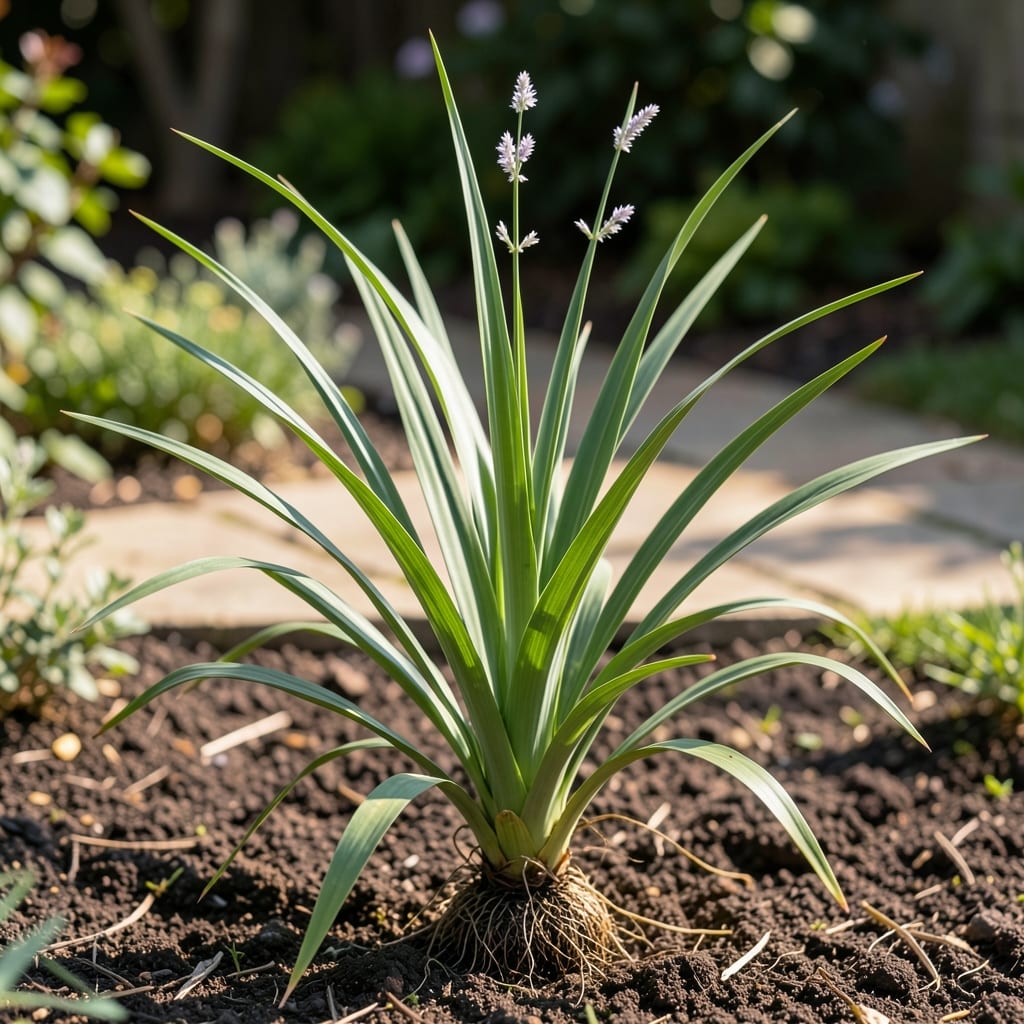
If you're wondering how tall can lemongrass grow, the answer might surprise you—this fragrant 🌿 plant can reach heights of 4 to 6 feet under ideal conditions, making it a striking addition to your garden or kitchen. Whether you're growing it for culinary uses or just love its citrusy aroma, understanding its growth potential helps you plan your space and care routine effectively.
In Zone 6a, where many gardeners plant lemongrass in spring, you can expect it to mature between June and September, with younger plants staying shorter in their first year. The key to encouraging taller growth lies in providing the right balance of sunlight, water, and soil—though overcrowding or poor pruning can stunt its development. With the right care, you’ll see those signature slender stalks towering above your other herbs.
But here’s the thing: lemongrass doesn’t just grow tall—it thrives when you guide its growth with simple techniques like pruning and proper spacing. By learning how to manage its height, you can also boost your harvests and keep your plants healthy for years. Let’s dive into the secrets that’ll help you grow lemongrass that’s both lush and productive.
From dwarf varieties that stay compact to towering giants that need more room, we’ll cover everything you need to know to get the most out of your 🌿 lemongrass. Whether you’re a beginner or a seasoned gardener, these tips will ensure your plants reach their full potential—and maybe even exceed it!


Lemongrass height by variety: from dwarf to towering giants
When you’re planning your garden, knowing how tall can lemongrass grow helps you choose the right spot and variety for your space. The most common type, Cymbopogon citratus, typically reaches 4 to 6 feet at maturity, while some tropical varieties can even exceed 7 feet in ideal conditions. If you’re in Zone 6a, where winters can be chilly, you’ll likely see slightly shorter growth unless you grow lemongrass in containers and bring it indoors during cold months.
Lemongrass is a perennial grass, meaning it grows year after year, with each season bringing taller and fuller stalks. In its first year, expect heights of 2 to 3 feet, but by the second year, it can easily double in height if given the right care. The key to encouraging this growth is providing full sun exposure, well-draining soil, and regular pruning to prevent overcrowding.
Not all lemongrass is created equal—some varieties are bred to stay shorter, making them perfect for containers or small gardens. For example, Cymbopogon flexuosus, also known as Malinga lemongrass, can grow even taller, up to 8 feet, but it’s also more hardy in warmer climates. If you’re in a cooler region, stick with Cymbopogon citratus for reliable growth.
If you’re growing lemongrass in containers, height will naturally be limited by the pot size. A 5-gallon container is ideal for most varieties, allowing roots to spread without restricting growth. However, even in pots, lemongrass can reach 3 to 5 feet if given enough depth and nutrients. Shallower containers will stunt growth, so always choose a pot with at least 12 inches of depth.
Another factor that affects height is pruning. Regularly trimming your lemongrass encourages bushier growth and prevents it from becoming too leggy. If you neglect pruning, you might end up with tall, sparse stalks that are less productive. Aim to cut back stems to 6 inches above the base to promote new growth and maintain a manageable height.
In Zone 6a, where winters can be harsh, lemongrass may not survive outdoors year-round. To protect it, you can either dig up and repot your plants before the first frost or grow them in containers that you can move indoors. This way, you can still enjoy lemongrass heights of 4 to 6 feet even in cooler climates.
One common mistake gardeners make is assuming that taller lemongrass means better flavor or yield. In reality, overly tall stalks can indicate poor pruning practices or nutrient deficiencies. Focus on maintaining a balanced height—around 4 to 5 feet—for the best harvests. This ensures your plants stay healthy, productive, and easy to manage.
For those in warmer climates, lemongrass can grow even taller, especially if it’s not pruned regularly. In these conditions, you might see heights of 6 to 8 feet, but this can make the plants more susceptible to wind damage or pest infestations. To keep your lemongrass thriving, always monitor its growth and adjust your care routine as needed.
If you’re growing lemongrass for culinary purposes, timing your harvest is just as important as managing its height. The best time to harvest is when the stalks are firm and woody, typically around 90 to 120 days after planting. At this stage, they’ll be at their peak flavor and aroma, ready to be used in your favorite recipes.
Pruning secrets to control lemongrass height & boost harvests
Pruning isn’t just about keeping your lemongrass looking neat—it’s a game-changer for controlling its height and encouraging bushier growth. When done right, regular pruning can keep your plants at a manageable 3 to 4 feet instead of letting them tower to 6 feet or more. This simple technique also stimulates new shoots, giving you more harvests throughout the season.
The best time to prune is in the early morning when the air is cool and the plant is hydrated. Use sharp, clean pruning shears or a knife to avoid damaging the stems. Always cut just above a leaf node—this is where new growth will sprout. Avoid cutting too close to the base, as this can weaken the plant.
Here’s a pro tip: Never remove more than one-third of the plant’s height at once. Over-pruning can stress your lemongrass and reduce its ability to recover. Instead, aim for small, frequent cuts to maintain its shape and encourage dense foliage. This approach works especially well if you’re growing lemongrass in containers where space is limited.
Step-by-Step Pruning Guide for Lemongrass
- 🌱 Step 1: Identify Mature Stalks
Look for stalks that have reached 12–18 inches in height and are firm to the touch.
- ✂️ Step 2: Cut at the Right Angle
Use clean shears to cut 1–2 inches above a leaf node at a 45-degree angle.
- 🌿 Step 3: Remove Only the Top Third
Trim one-third of the stalk’s height to encourage bushier regrowth.
- 💧 Step 4: Water Immediately After
Give your plant a deep watering to help it recover from the pruning.
- 📅 Step 5: Repeat Every 4–6 Weeks
Prune again in 4–6 weeks to maintain height and boost harvests.
One common mistake gardeners make is pruning too late in the season, especially as temperatures drop. Lemongrass is a warm-weather plant, and pruning it too close to frost can stunt its growth or even kill it. If you’re in Zone 6a, like many home gardeners, aim to finish pruning by late August to give your plants time to recover before winter.
Did you know that pruning also improves flavor? When you encourage new growth by cutting back old stalks, the plant redirects its energy to producing fresher, more aromatic leaves. This is why many chefs and home cooks swear by pruning their lemongrass—it keeps the flavor bold and citrusy all season long.
For even better results, pair your pruning routine with a balanced fertilizer like 10-10-10, applied every 4–6 weeks during the growing season. This combo ensures your lemongrass stays healthy, compact, and productive, whether you’re growing it for culinary uses or just love its tropical vibe in your garden.