
How To
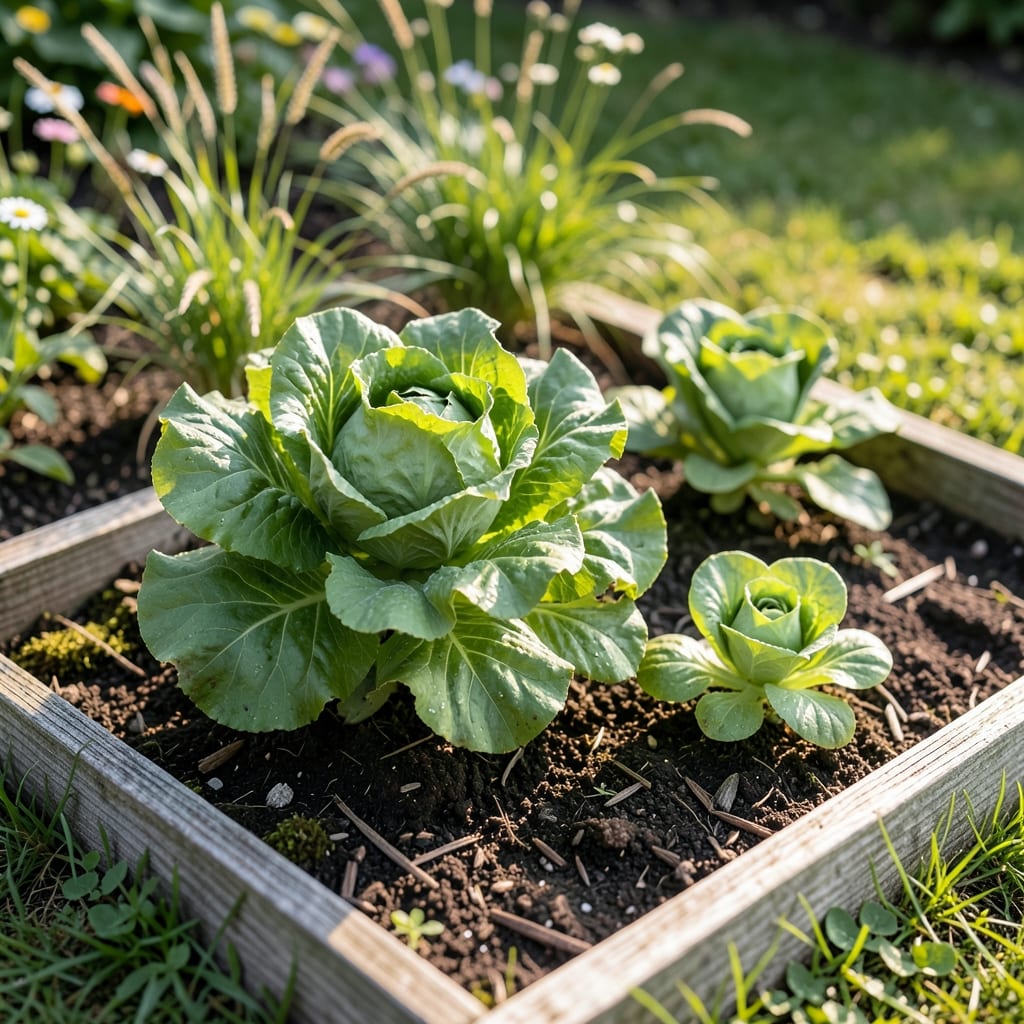
If you’ve ever wondered how tall lettuce can grow, you’re not alone—because the answer depends entirely on the variety, and getting it right could mean the difference between a thriving harvest and a sad, wilted disappointment.
Leaf lettuce might stay compact at just 6-12 inches, while romaine or romaine-style varieties can shoot up to 2 feet tall. Butterhead and iceberg varieties fall somewhere in between, but even within those ranges, soil, sunlight, and pruning play a huge role in shaping your crop’s final height.
What if I told you the key to taller, healthier lettuce isn’t just about patience? It’s about understanding when to harvest, how to prune for regrowth, and which varieties thrive in your specific climate. Whether you’re a beginner gardener or a seasoned green thumb, these tricks will help you grow lettuce that’s not only tall but also crisp, flavorful, and ready to harvest at the perfect time.
Let’s break down the height ranges by variety, share the best pruning techniques to encourage continuous growth, and reveal the simple secrets to keeping your lettuce from bolting before it’s ready. Ready to transform your garden?

Lettuce growth heights by variety: from tiny leaf to towering stalks
If you've ever wondered why your lettuce seems to max out at a sad, wilted 4 inches while your neighbor's romaine towers over their salad bowl, the answer lies in the variety. Lettuce isn't one-size-fits-all—some varieties stay compact like dwarf leaf lettuce, while others grow tall enough to rival a cos lettuce stalk. Understanding these differences is key to planning your garden layout and maximizing your harvest.
For home gardeners, knowing the mature height of each type helps with spacing, trellising (yes, lettuce can climb!), and even deciding whether to grow in containers or in-ground beds. Let's break down the four main lettuce categories and their typical heights so you can choose the perfect fit for your space and goals.
| Variety | Height Range | Growth Habit | Spacing Needs | Harvest Window |
|---|---|---|---|---|
| Leaf Lettuce | 6-12 inches | Loose, sprawling | 12-18 inches apart | 30-45 days |
| Butterhead Lettuce | 8-14 inches | Compact, rounded | 12-16 inches apart | 45-60 days |
| Romaine Lettuce | 12-24 inches | Tall, upright | 16-20 inches apart | 50-70 days |
| Stem Lettuce (Cos) | 16-24 inches | Tall, elongated | 18-24 inches apart | 60-80 days |
| Iceberg Lettuce | 12-18 inches | Dense, rounded | 14-18 inches apart | 70-90 days |
Leaf lettuce varieties like 'Salad Bowl' or 'Black Seeded Simpson' stay short and bushy, making them perfect for container gardening or interplanting with taller crops. These types rarely exceed 12 inches and thrive when harvested leaf by leaf, encouraging continuous growth. I love growing them in window boxes near my kitchen—fresh greens are always within arm's reach!
Butterhead varieties such as 'Buttercrunch' or 'Bibb' grow slightly taller, typically reaching 10-14 inches, with soft, buttery leaves that form a loose head. Their compact size makes them ideal for small gardens or even large pots. The secret to their success? Consistent moisture and partial shade during hot afternoons to prevent bolting.
Romaine and stem lettuce varieties are the tallest, often stretching to 2 feet or more. Romaine, like 'Parris Island', grows upright with elongated leaves, while stem lettuce (like 'Cos') forms thick, edible stalks. These varieties need more space and benefit from staking or trellising if grown in windy areas. I've seen cos lettuce reach nearly 24 inches when given optimal conditions!
Iceberg lettuce, though often associated with grocery store heads, can also thrive in home gardens. It typically matures at 12-18 inches tall but takes the longest to harvest—up to 90 days. The key to growing iceberg successfully is patience and consistent watering, as it's more prone to bitterness if stressed. For a quicker harvest, consider smaller heirloom varieties like 'Jericho', which matures in just 50 days.
Pro tip: If you're short on space, try succession planting with dwarf varieties. Sow a new row every 2 weeks to ensure a steady supply of fresh lettuce without overcrowding. This method works especially well for leaf lettuce, which can be harvested multiple times from a single plant.
Understanding these height differences isn't just about aesthetics—it's about harvest timing and plant health. Taller varieties like romaine need more time to mature, while shorter types bolt faster in heat. Next time you're at the nursery, grab a few mixed varieties to experiment with heights and flavors in your
How to maximize lettuce height without bolting or bitterness
If you’ve ever watched your lettuce bolt into flower stalks before reaching its full height, you know how frustrating it can be. The good news? With the right techniques, you can encourage taller, healthier lettuce while keeping it crisp and flavorful. The secret lies in light management, soil conditions, and pruning strategies that prevent stress—three factors that directly impact height and bolting.
First, let’s talk about light exposure. Lettuce thrives in partial shade, especially during the hottest part of the day. Too much direct sunlight can cause bolting, while too little can lead to leggy, weak plants. I’ve found that placing lettuce near a west-facing window or under a light shade cloth (30-50% shade) keeps it happy and encourages even growth. If you’re growing outdoors, avoid planting in full sun during peak summer months.
🌱 Callout-Warning: Overwatering or poor drainage can stunt growth and encourage root rot, which weakens the plant and makes it more susceptible to bolting. Always use well-draining soil and water deeply but infrequently—lettuce prefers consistently moist (not soggy) soil. A simple trick? Use mulch to retain moisture and keep roots cool.
⚠️ Warning: Bolting Triggers
- Heat stress: Temperatures above 75°F (24°C) can trigger bolting within days.
- Drought stress: Even brief dry spells signal the plant to reproduce.
- Overcrowding: Competition for nutrients stunts growth and weakens stems.
- Nutrient imbalance: Too much nitrogen causes rapid but weak growth; too little causes stunting.
Prevent these issues by monitoring soil moisture, spacing plants properly, and using a balanced fertilizer (like 5-10-10) every 4-6 weeks.
For taller varieties like romaine or cos lettuce, pruning is your best friend. Instead of harvesting the entire head, try the cut-and-come-again method: Snip the outer leaves when they reach 3-4 inches, leaving the inner growth intact. This encourages the plant to focus on leaf production rather than bolting. I’ve seen romaine lettuce grow an extra 4-6 inches taller when pruned this way!
Another pro tip: If your lettuce starts to bolt, don’t panic. Some varieties (like loose-leaf lettuce) can still produce edible leaves even after bolting. Simply harvest the leaves before the flower stalk becomes too tough. For head lettuce, though, bolting means it’s time to pull and replant—those bitter, tough stalks aren’t worth the effort.
Finally, consider succession planting in cooler months. By sowing new seeds every 2 weeks in early spring or late summer, you’ll always have fresh, young lettuce that’s less likely to bolt. This method also ensures a steady supply of greens at optimal height—no sad, wilted disappointment here! 🥬