
Size
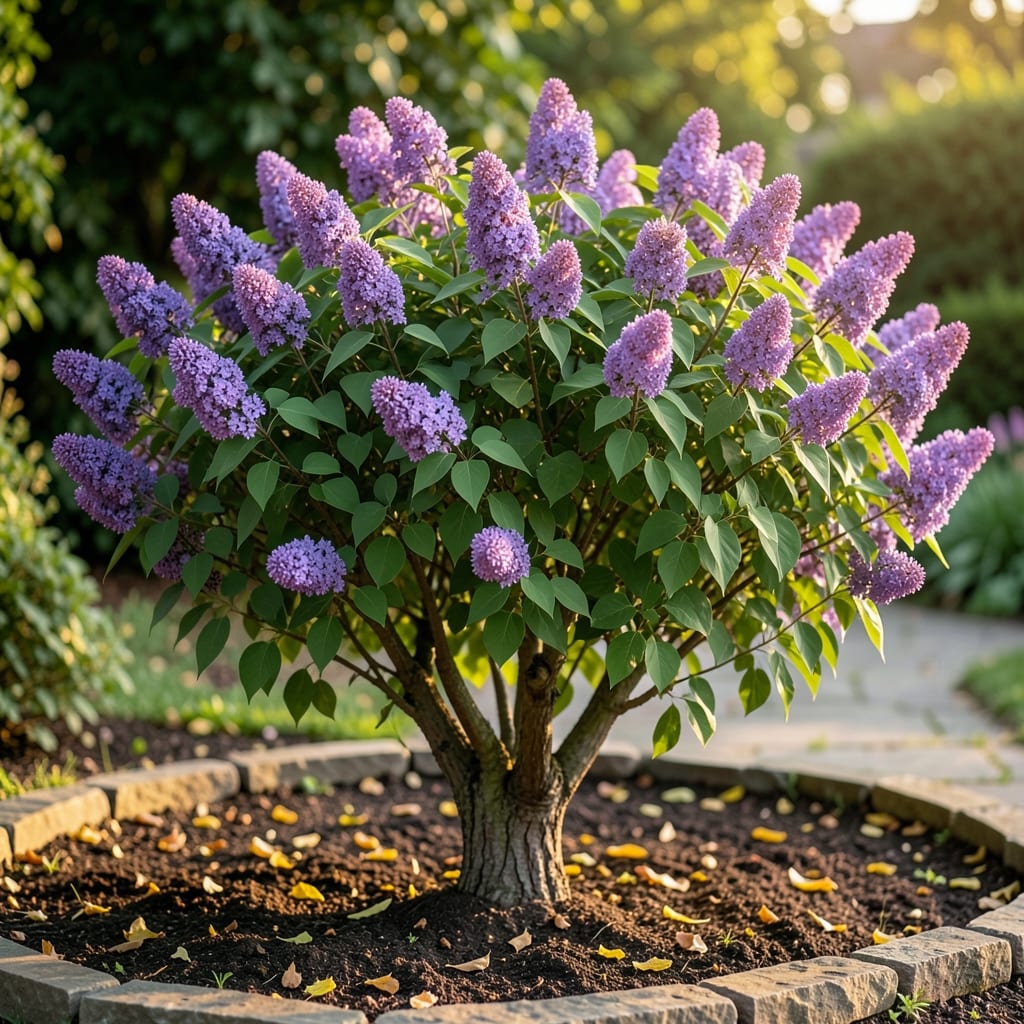
If you're wondering how tall can lilacs grow, the answer might surprise you—these fragrant shrubs can reach heights that dwarf most backyard spaces, from compact 3-foot bushes to towering giants over 12 feet tall.
For gardeners in USDA Zone 6a, choosing the right lilac variety is key to balancing beauty and space. Some varieties, like the classic Syringa vulgaris, grow boldly, while dwarf types like Syringa meyeri stay manageable for smaller gardens. The right placement can make all the difference.
Whether you're dreaming of a fragrant hedge or a striking focal point, understanding lilac growth habits helps you plan. Pruning at the right time can even control their height, keeping them from overwhelming your landscape. Let’s explore how to pick the perfect size for your garden.
From early spring planting to late spring blooms, lilacs offer both fragrance and structure. With the right care, you can enjoy their beauty without sacrificing space. Ready to find the perfect fit for your yard?


Lilac height ranges by variety: from compact bushes to towering giants
When planning your garden, knowing how tall can lilacs grow helps you choose the perfect variety. Lilacs come in a stunning range of heights, from petite dwarf shrubs to towering giants that rival small trees. The Syringa vulgaris, the classic lilac, often reaches 8–12 feet at maturity, making it a bold statement plant.
For smaller spaces, dwarf varieties like Syringa meyeri (also called Meyer lilac) stay between 3–6 feet tall, perfect for borders or containers. Meanwhile, Syringa oblata (Chinese lilac) typically grows 6–10 feet, offering a middle-ground option for mid-sized gardens.
If you love the idea of a fragrant hedge, consider Syringa patula, which matures around 6–8 feet. This variety thrives in full sun and partial shade, making it versatile for different garden layouts.
Here’s a quick guide to lilac heights by variety to help you visualize their mature sizes:
Even within a single variety, height can vary based on growing conditions. For example, a Syringa vulgaris planted in rich, well-drained soil with full sun may grow taller than one in poor soil or partial shade. Always check the specific cultivar’s details, as some hybrids or named varieties may differ slightly.
If you’re unsure about spacing, err on the side of caution. Lilacs have aggressive root systems, so planting them too close to structures or other plants can lead to competition. Aim for at least 6–10 feet of space between large lilacs and other shrubs or trees.
For gardeners in USDA Zone 6a, where lilacs thrive, choosing the right height also means considering pruning needs. Taller varieties may require more frequent trimming to maintain shape and encourage blooming. We’ll cover pruning tips in the next section to help you keep your lilacs looking their best.
Now that you know the height ranges, let’s explore how to pick the perfect lilac for your space—whether you want a fragrant border, a striking focal point, or a low-maintenance hedge.
Lilac height ranges by variety: from compact bushes to towering giants
When planning your garden, knowing how tall can lilacs grow helps you choose the right variety for your space. Lilacs vary dramatically in size, from petite 3-foot shrubs to towering 12-foot giants. The classic Syringa vulgaris often reaches 8–12 feet, making it perfect for focal points or large hedges.
For smaller gardens, Syringa meyeri (dwarf lilac) stays between 3–6 feet, while Syringa oblata (Chinese lilac) typically grows 6–10 feet. Each variety brings unique fragrance and color, so height isn’t the only factor—consider your garden’s layout and sunlight needs too.
| Variety | Mature Height | Best For |
|---|---|---|
| Syringa vulgaris | 8–12 ft | Focal points, large hedges |
| Syringa meyeri | 3–6 ft | Small gardens, containers |
| Syringa oblata | 6–10 ft | Medium borders, privacy screens |
| Syringa patula | 4–8 ft | Foundation plantings |
If you’re in USDA Zone 6a, most lilacs thrive with full sun exposure and well-drained soil. Dwarf varieties like Syringa meyeri are ideal for containers or tight spaces, while larger types need ample room to spread their branches. Always check the mature height before planting to avoid overcrowding.
Lilacs grow 2–3 feet per year in ideal conditions, so a 6-foot lilac will reach maturity in about 3 years. Pruning in late winter helps maintain size and encourages bushier growth. For fragrant blooms without the height, consider Syringa microphylla, which stays under 5 feet.
Remember, lilacs are long-lived—some varieties live 50+ years—so choosing the right height ensures decades of beauty. Pair taller lilacs with shorter perennials to create layered garden beds that highlight their fragrance and color.
For maximum fragrance, plant lilacs near patios or walkways where you can enjoy their sweet scent up close. Just be mindful of their mature size when selecting a spot—once established, moving them becomes difficult.