
Size
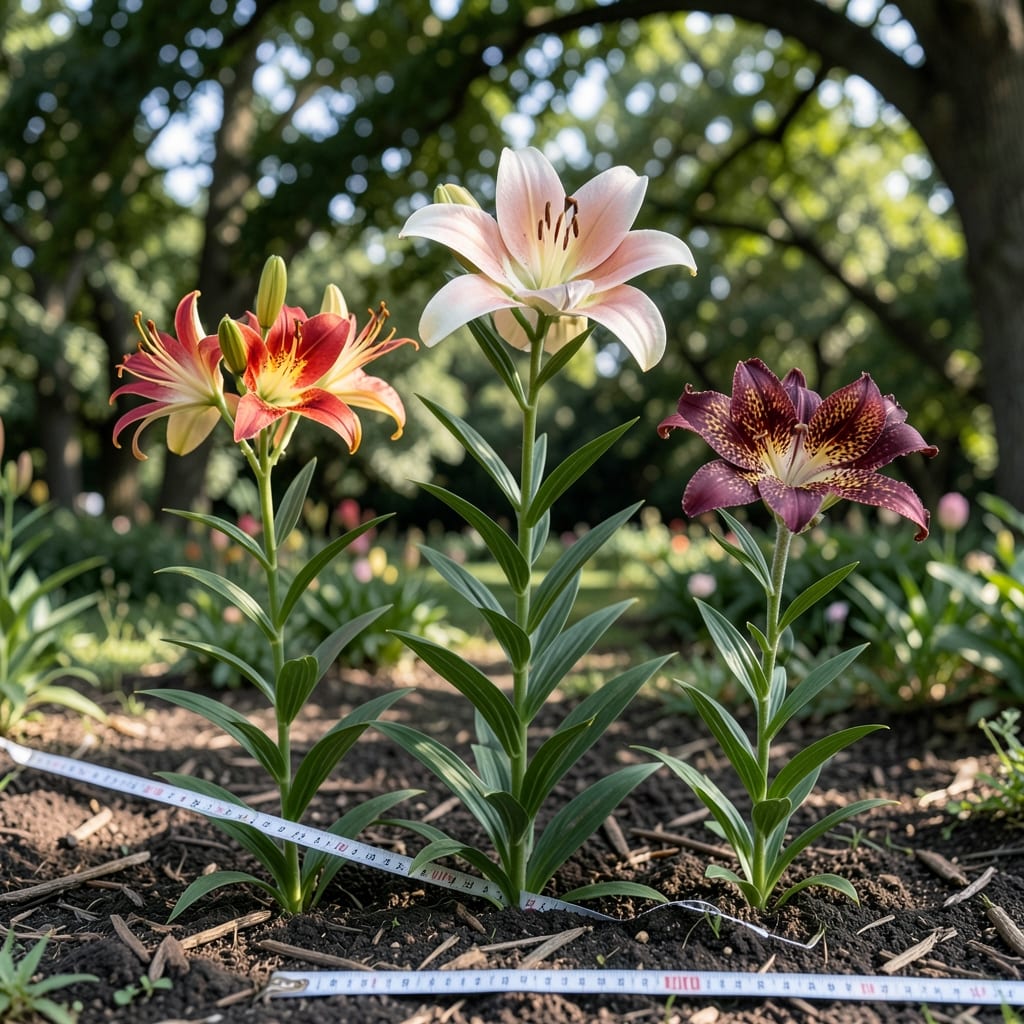
If you’ve ever planted a lily 🌸 and wondered how tall lilies can grow—whether they’ll stretch toward your porch ceiling or stay modestly sized—the answer depends on more than just luck. Some varieties reach 7 feet like dramatic skyscrapers, while others remain compact at just 2 feet, making them perfect for containers or small gardens.
The key to unlocking your lilies’ full potential lies in their species—Asiatic lilies often stay shorter, while Oriental and Trumpet types can soar. But even the tallest varieties need the right conditions to thrive, from nutrient-rich soil to strategic sunlight exposure.
In this guide, I’ll break down exactly how tall different lilies grow, what factors influence their height, and how to support them without risking floppy stems. Whether you’re planning a border or a statement centerpiece, knowing these details will help you create a garden that’s both stunning and manageable.
Ready to discover which lilies will reach for the sky—and which will stay grounded? Let’s dive into the secrets of lily growth so you can plan your garden with confidence.


Lily height by variety: from dwarf to towering giants (with exact measurements)
Lilies come in a stunning array of heights, from petite dwarf varieties that barely reach your knee to towering giants that dwarf even the tallest gardeners. The Oriental lily, for example, can soar up to 7 feet, while Asiatic lilies typically stay between 2 and 4 feet. These differences aren't just about aesthetics—they also influence where you plant them and how you care for them.
For gardeners with limited space, dwarf lilies like the Lilium martagon (Turk's cap lily) or Lilium candidum (Madonna lily) are perfect, maxing out around 2 feet. Meanwhile, Trumpet lilies and Martagon lilies often reach 4 to 6 feet, making them ideal for dramatic backdrops or tall borders. Understanding these height ranges helps you plan your garden layout without surprises.
Daylilies (Hemerocallis), often mistaken for true lilies, also vary in height. Some stay as short as 1 foot, while others stretch up to 3 feet. This distinction is crucial because daylilies are perennial and more hardy, while true lilies are tender perennials that may need winter protection in colder climates.
Here’s a quick visual guide to help you visualize these heights and choose the perfect lily for your space:
| Variety | Height Range | Growth Habit | Best For |
|---|---|---|---|
| Dwarf Lilies (e.g., Lilium martagon) | 1–2 ft | Clumping, compact | Borders, rock gardens |
| Asiatic Lilies (e.g., 'Stargazer') | 2–4 ft | Upright, bushy | Mixed borders, cut flowers |
| Oriental Lilies (e.g., 'Casa Blanca') | 4–7 ft | Tall, slender stems | Backdrops, focal points |
| Trumpet Lilies (e.g., Lilium regale) | 3–5 ft | Strong, sturdy stems | Perennial beds, woodland gardens |
| Daylilies (e.g., 'Happy Returns') | 1–3 ft | Clumping, resilient | Drought-tolerant areas, pollinator gardens |
The Oriental lily is often the tallest variety, with some cultivars like 'Siberia' or 'Connecticut King' reaching heights of 6 to 7 feet. These are perfect for creating a dramatic focal point in your garden, especially when planted near a fence or tall hedge. Their fragrant blooms also make them a favorite for cutting gardens.
For smaller gardens or container planting, Asiatic lilies are a fantastic choice. They bloom earlier in the season and come in vibrant colors like red, orange, and yellow. Their 2 to 4 foot height makes them versatile for mixed borders or even as potted plants on patios. If you love the look of lilies but have limited space, these are your best bet.
If you're unsure which variety to choose, consider your garden’s layout and sunlight. Taller lilies like Oriental or Trumpet varieties thrive in full sun and need well-draining soil to support their height. Shorter varieties, on the other hand, can adapt to slightly shadier conditions and are ideal for woodland gardens or understory plantings.
Pro tip: If you’re planting lilies near pathways or seating areas, opt for dwarf or semi-dwarf varieties to avoid obstructing views or creating tripping hazards. For example, 'Little Champion' Asiatic lilies stay around 2 feet tall and are perfect for edging or container gardens.
Remember, the height of your lilies isn’t set in stone—care and environment play a huge role in how tall they grow. With the right soil, sunlight, and support, even a 4-foot lily can stretch toward 5 or 6 feet. Stay tuned to learn how to maximize their growth potential!
What determines how tall your lilies will grow? (Soil, sun & pruning secrets)
You’ve picked your perfect lily variety, but whether it grows to 2 feet or 7 feet depends on more than just its genetics. The soil quality, sunlight exposure, and even pruning habits can push your lilies toward their maximum height—or hold them back. Let’s break down the key factors that influence lily growth and how you can optimize them for stunning, healthy plants.
First, sunlight is non-negotiable for tall lilies. Most varieties, especially Oriental and Trumpet lilies, thrive in 6 to 8 hours of direct sun daily. Without enough light, their stems will stretch weakly, leading to floppy growth and fewer blooms. If your garden has partial shade, consider Asiatic lilies, which tolerate slightly less sun but still reach 3 to 4 feet with proper care.
Next, the soil’s nutrient balance plays a critical role. Lilies prefer well-draining, slightly acidic soil (pH 6.0–7.0) rich in organic matter. Amend heavy clay with compost or sand to prevent root rot, which can stunt growth. A balanced fertilizer (like 10-10-10) applied in early spring gives lilies the boost they need to reach their full height. Over-fertilizing, however, can lead to excessive foliage at the expense of blooms.
Here’s how these factors stack up to influence your lilies’ height, along with actionable tips to maximize their growth potential:
- 🌞 Sunlight: 6+ hours daily = taller stems; less than 4 hours = stunted growth. Use reflective surfaces (like white walls) to bounce light into shady spots.
- 🌱 Soil: Well-draining, rich in compost = stronger roots = taller plants. Avoid soggy soil, which causes root rot and weak stems.
- 💧 Watering: Deep watering 1–2x weekly supports height; overwatering leads to floppy stems. Water at the base, not the leaves, to prevent disease.
- ✂️ Pruning: Remove spent blooms to redirect energy to stem growth. Avoid heavy pruning in late summer, which can limit next year’s height.
- 🌿 Support: Stake tall varieties (like Orientals) early to prevent bending. Use soft ties to avoid damaging stems.
Another often-overlooked factor is watering technique. Lilies need consistent moisture, especially during their active growing season (spring to early summer). However, waterlogged soil can suffocate roots and weaken stems, leading to shorter plants. Aim for 1–2 inches of water per week, adjusting for rain. Mulching around the base with organic matter helps retain moisture and regulate soil temperature, which encourages taller growth.
If you’re growing tall lilies like Orientals, don’t forget about staking. Their slender stems can bow under the weight of blooms, especially in windy conditions. Install bamboo stakes or soft plant ties as soon as the stems reach 12–18 inches. This support doesn’t just prevent flopping—it also signals the plant to grow straighter and taller in response to physical guidance.
Finally, pruning habits can make or break your lilies’ height. After blooming, trim the stem back by one-third to encourage the plant to store energy for next year’s growth. Avoid cutting back too aggressively in late summer, as this can stunt next season’s height. For daylilies, deadhead spent blooms to promote more flowers, but leave the foliage intact until it yellows naturally—this ensures the plant has time to photosynthesize and build strength for future growth.
With these secrets in hand, you’re ready to coax your lilies toward their maximum height potential. Whether you’re aiming for a dramatic 7-foot Oriental or a compact 2-foot dwarf, the right care will help you achieve the perfect height for your garden vision. Next, we’ll cover when and how to stake or prune overgrown lilies without harming their long-term health.