
Trees
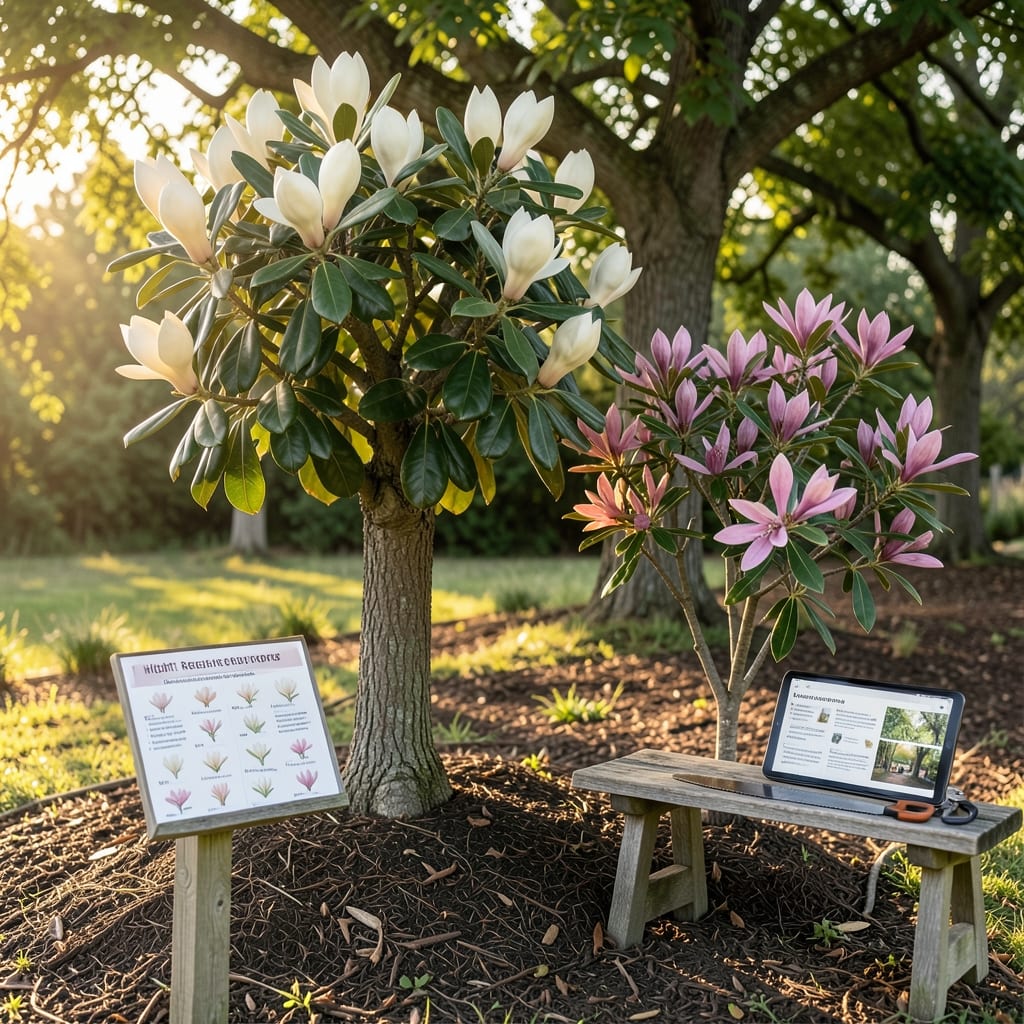
Curious about how tall can magnolia trees grow before they become the centerpiece of your landscape—or the reason you need a chainsaw? These stunning 🌸 trees can dwarf even the tallest oak, with some varieties stretching over 100 feet while others stay compact enough for small yards.
Whether you're dreaming of a grand Southern magnolia reaching for the sky or a delicate star magnolia adding charm to your patio, understanding their growth potential is key. The difference between a dwarf variety at just 10 feet and a towering Magnolia grandiflora at 80+ feet comes down to genetics, care, and where you plant them.
In this guide, I’ll break down the height ranges of popular magnolias, the factors that influence their growth, and how to choose the perfect size for your space. Plus, I’ll share expert tips on whether (and how) you can prune these beauties to keep them in check.
Ready to pick the perfect magnolia for your garden? Let’s dive into the details so you can plant with confidence—no regrets, just stunning blooms for decades to come.


Magnolia tree height variations: from dwarf to towering giants
Magnolias are nature’s architectural masterpieces, with some varieties reaching heights that rival skyscrapers while others stay perfectly proportioned for small gardens. The height of a magnolia tree is primarily determined by its species and genetics, but factors like soil quality, climate, and care can influence how close it stays to its potential size.
If you’re planning your landscape, knowing these variations will help you choose the perfect magnolia for your space. A Southern magnolia (Magnolia grandiflora) can soar to 80–100 feet, while a star magnolia (Magnolia stellata) typically maxes out at 15–25 feet. Let’s explore the full spectrum of magnolia heights so you can make an informed decision.
🌸 Magnolia Height Comparison
| Variety | Mature Height Range | Growth Rate (Per Year) | Best For |
|---|---|---|---|
| Dwarf Varieties (e.g., 'Black Tulip', 'Centennial') | 8–15 ft | 6–12 in | Small gardens, containers, urban yards |
| Semi-Dwarf (e.g., 'Jane', 'Elizabeth') | 15–25 ft | 12–18 in | Medium yards, foundation planting |
| Small to Medium (e.g., 'Star Magnolia', 'Saucer Magnolia') | 20–30 ft | 18–24 in | Backyard centerpieces, shade trees |
| Large (e.g., 'Sweet Bay Magnolia', 'Korean Magnolia') | 30–50 ft | 24–36 in | Large properties, woodland gardens |
| Giant (e.g., 'Southern Magnolia', 'Evergreen Magnolia') | 60–100+ ft | 36–48 in | Rural landscapes, parks, grand estates |
The Southern magnolia (Magnolia grandiflora) is the undisputed champion of height, often surpassing 80 feet in ideal conditions. These giants can live for centuries, becoming living monuments in landscapes. On the other hand, dwarf varieties like 'Black Tulip' are bred to stay under 15 feet, making them perfect for containers or small urban gardens.
Even within species, growth rates vary. A star magnolia might grow just 6 inches per year in cooler climates, while a Southern magnolia in warm, humid conditions can shoot up 3 feet annually during its prime. This variability is why I always recommend checking the specific variety’s growth rate before planting.
Soil quality plays a huge role in how tall a magnolia grows. Magnolias thrive in well-draining, acidic soil (pH 4.5–6.0). Poor soil can stunt growth, while rich, organic soil can encourage faster—and sometimes taller—growth. If your soil is heavy clay or alkaline, amending it with peat moss or compost can help your magnolia reach its full potential height.
Climate also affects height. Magnolias in USDA Zones 6–9 generally grow taller and faster than those in colder zones. For example, a Saucer magnolia in Zone 7 might reach 30 feet, while the same variety in Zone 5 could max out at 20 feet due to slower growth in cooler temperatures.
If you’re working with limited space, don’t despair—there are compact magnolia varieties designed for smaller yards. The 'Centennial' star magnolia stays under 10 feet and blooms profusely, while 'Little Gem' Southern magnolia is a dwarf version of the giant, topping out at 20–25 feet. These are my top picks for gardeners with space constraints.
For those who love the idea of a towering magnolia but need to manage its size, pruning is an option—but with limits. I’ll cover pruning strategies in detail later, but know that some magnolias, like the Southern magnolia, are less responsive to heavy pruning. Always research your specific variety before attempting to control its height.
Ultimately, the height of your magnolia tree will depend on the variety you choose, the care you provide, and the conditions in your garden. Whether you’re aiming for a sky-scraping giant or a compact beauty, there’s a magnolia perfect for your space—you just need to know where to look.
Magnolia tree height variations: from dwarf to towering giants
Magnolias aren’t one-size-fits-all—some stay small enough for city gardens while others become towering giants that dominate landscapes. The height range of magnolia trees spans from 8 feet to over 100 feet, making species selection your first critical decision. Genetics play the biggest role: certain varieties are bred to stay compact, while others grow wild and free, reaching heights that rival redwoods.
For example, the Magnolia stellata (star magnolia) typically maxes out at 15–25 feet, perfect for small yards, while the Magnolia grandiflora (Southern magnolia) can soar to 80–100 feet, making it a statement piece for large estates. Even within a species, individual trees can vary by 20–30 feet depending on growing conditions.
🌱
| Category | Examples | Mature Height Range | Growth Rate |
|---|---|---|---|
| Dwarf | Magnolia 'Black Tulip', 'Centennial' | 8–15 ft | Slow (6–12 in/year) |
| Small | Magnolia stellata, 'Jane' | 15–25 ft | Moderate (12–18 in/year) |
| Medium | Magnolia 'Ann', 'Elizabeth' | 25–40 ft | Fast (18–24 in/year) |
| Large | Magnolia grandiflora, 'Little Gem' | 40–120 ft | Very Fast (24–36 in/year) |
Understanding these categories helps you avoid planting a 100-foot giant in your backyard patio. Dwarf varieties like 'Black Tulip' grow just 10–15 feet, ideal for container gardens or urban spaces, while standard magnolias like 'Little Gem' (a compact grandiflora) reach 20–25 feet, striking a balance between size and impact.
Climate also affects height—magnolias in southern climates (USDA Zones 7–10) often grow 20–30% taller than those in cooler northern zones due to longer growing seasons. For instance, a Magnolia grandiflora in Florida might hit 100 feet, while the same tree in Zone 6 might max out at 60 feet.
If you love the idea of a magnolia but lack space, consider grafted dwarf varieties—they’re genetically limited in height, making them far more predictable than pruning a standard tree. Just remember: even dwarf magnolias need proper spacing (at least 10 feet from structures) to avoid root competition and ensure healthy growth.
🌿