
How To
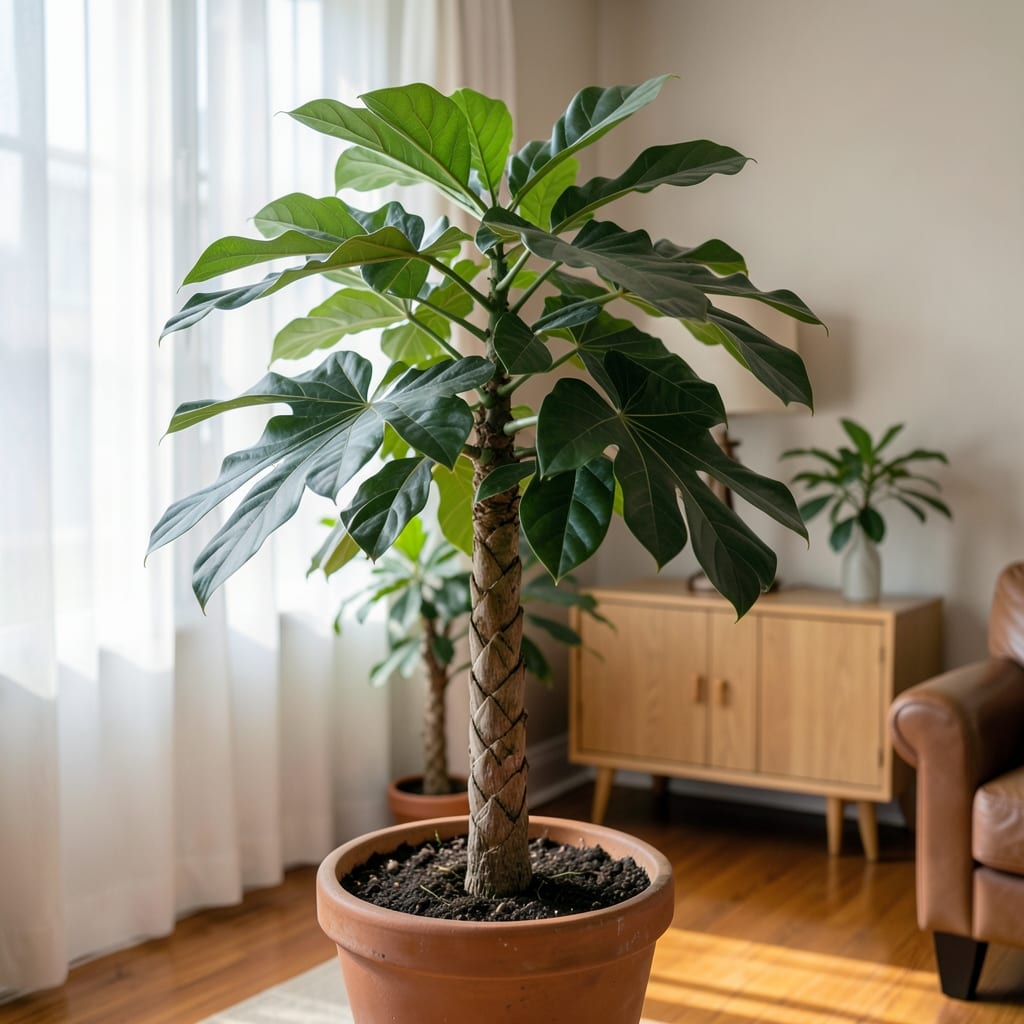
Curious about how tall your Money Tree 🌿 could grow? The answer isn’t just about time—it’s about where you plant it, how you care for it, and a few surprising tricks that can keep it compact or let it reach towering heights.
Indoor Money Trees often stay between 3 and 5 feet, perfect for shelves or tables, while outdoor varieties in ideal conditions can stretch up to 10 feet or more. The difference comes down to light, space, and pruning—factors you can control to shape your plant’s future.
Whether you’re dreaming of a ceiling-high statement plant or a manageable desk companion, understanding these growth secrets is the key. I’ll show you exactly how to guide your Money Tree’s height—no guesswork required.
Ready to discover the game-changer techniques that’ll give you the perfect-sized Money Tree? Let’s get started.


Money Tree height guide: indoor growth limits vs outdoor potential
Your Money Tree’s height isn’t set in stone—it’s a mix of genetics, environment, and your care choices. Indoor plants typically max out at 3 to 5 feet unless you’re growing a bonsai-style variety, while outdoor Money Trees in tropical climates can soar to 10 feet or taller. The key difference? Light exposure and space.
Indoor Money Trees thrive in bright indirect light, which slows vertical growth but encourages bushier foliage. Without enough light, they’ll stretch toward windows, creating leggy growth that’s weak and prone to falling. Outdoors, they bask in full sun, fueling rapid height increases—sometimes 1 foot per year under ideal conditions.
Genetics also play a role. Some Money Trees are bred for compact growth, staying under 3 feet even with aggressive pruning. Others, like the standard variety, will naturally reach 6+ feet if given the right conditions. Always check your plant’s tag or nursery notes for expected mature height.
Here’s the surprising part: even indoor Money Trees can exceed 5 feet if left unpruned for years. I’ve seen 10-foot-tall indoor specimens in conservatories with perfect growing conditions—proof that patience and care can turn a small tabletop plant into a room divider.
Pruning makes all the difference for indoor Money Trees. Without regular trims, they’ll grow tall and sparse, with long stems and sparse leaves. The solution? Prune back 1/3 of new growth in spring to encourage branching. This creates a fuller, bushier plant that stays shorter naturally.
Outdoor Money Trees, however, rarely need pruning unless you’re shaping them for specific uses. In their natural habitat, they grow wild and tall, developing thick trunks and broad canopies. The trade-off? They require more space and heavy-duty support as they mature.
Here’s a pro tip: if your indoor Money Tree starts stretching toward the light, it’s begging for better placement. Move it 2–3 feet from an east or west window for ideal growth. Avoid south-facing windows unless you use sheer curtains to diffuse the light—too much direct sun can scorch the leaves.
For outdoor growers, the biggest challenge is winter hardiness. Money Trees thrive in USDA zones 10–11 and can’t tolerate frost. If you live in cooler climates, grow them in large containers and bring them indoors before temperatures drop below 40°F.
Remember: the height you achieve depends entirely on your goals. Want a tabletop Money Tree? Prune aggressively and keep it in a small pot. Dreaming of a tropical statement plant? Give it space, light, and minimal interference. The choice is yours—and the results will surprise you.
5 Factors that control Money Tree height (and how to adjust them)
Your Money Tree’s height isn’t just about time—it’s about the five key factors you can tweak to shape its growth. From light exposure to pruning techniques, each plays a role in whether your plant becomes a compact desk companion or a towering indoor tree. Let’s break down how to control these factors for your desired height.
First, light conditions are the biggest height controller. Money Trees grown in low-light areas stretch dramatically toward light sources, creating weak, leggy stems. Place your plant 2–3 feet from an east or west window for ideal bright indirect light. Too much direct sun (especially south-facing windows) can scorch leaves, while too little light slows growth entirely. The goal? Find that goldilocks balance of light.
- 1 Light Exposure: Bright indirect light keeps growth compact. Low light causes stretching. Use sheer curtains to diffuse harsh sun.
- 2 Pruning: Trim 1/3 of new growth in spring to encourage bushiness. Prune above leaf nodes to promote branching. Avoid heavy pruning in winter.
- 3 Pot Size: Root-bound pots slow vertical growth. Repot every 2–3 years into a container just 1–2 inches larger than the current one. Use well-draining soil.
- 4 Humidity: Low humidity causes stunted growth. Use a pebble tray or humidifier to keep levels above 40%. Mist leaves occasionally for tropical conditions.
- 5 Seasonal Care: Spring and summer are growth peaks. Fertilize lightly every 6–8 weeks. Reduce watering in fall and winter to slow growth and prevent legginess.
Next, pruning techniques are your secret weapon for height control. Money Trees grow taller and sparser when left unpruned, but strategic trimming can transform them into full, bushy plants. The trick? Prune in early spring when new growth appears. Cut back 1/3 of the longest stems just above a leaf node. This signals the plant to branch out instead of growing upward. For a bonsai-style Money Tree, prune more aggressively and pinch back tips regularly.
Don’t overlook pot size—it directly impacts growth speed. Money Trees in small, root-bound pots grow slower because their roots can’t expand. If you want a compact Money Tree, keep it in a smaller pot and prune regularly. For faster growth, upgrade to a 1–2 inch larger pot every 2–3 years. Just remember: larger pots mean bigger, taller plants over time. Use a pot with drainage holes to prevent root rot, which can stunt growth.
Humidity levels often fly under the radar, but they’re critical for healthy growth. Money Trees thrive in 40–60% humidity, mimicking their tropical origins. In dry indoor environments (like heated homes), growth slows or stops. Combat this by placing your plant on a pebble tray filled with water and pebbles, or use a humidifier nearby. Mist the leaves 2–3 times per week to boost moisture. Low humidity doesn’t just stunt height—it also causes brown leaf tips and crispy edges.
Finally, seasonal care sets the stage for height control. Money Trees grow most actively in spring and summer, so this is when you should fertilize lightly every 6–8 weeks to encourage growth. Switch to low-watering in fall and winter to mimic dormancy. Reduce fertilizing entirely during these months, as overfeeding can lead to leggy, weak growth. In winter, keep your Money Tree away from drafty windows or heating vents, which dry out the air and stress the plant.
By mastering these five factors, you’ll have full control over your Money Tree’s height. Want a 3-foot tabletop tree? Focus on pruning and small pots. Dreaming of a 10-foot indoor giant? Give it full light, large pots, and minimal pruning. The choice is yours—and the results will be stunning.