
How To
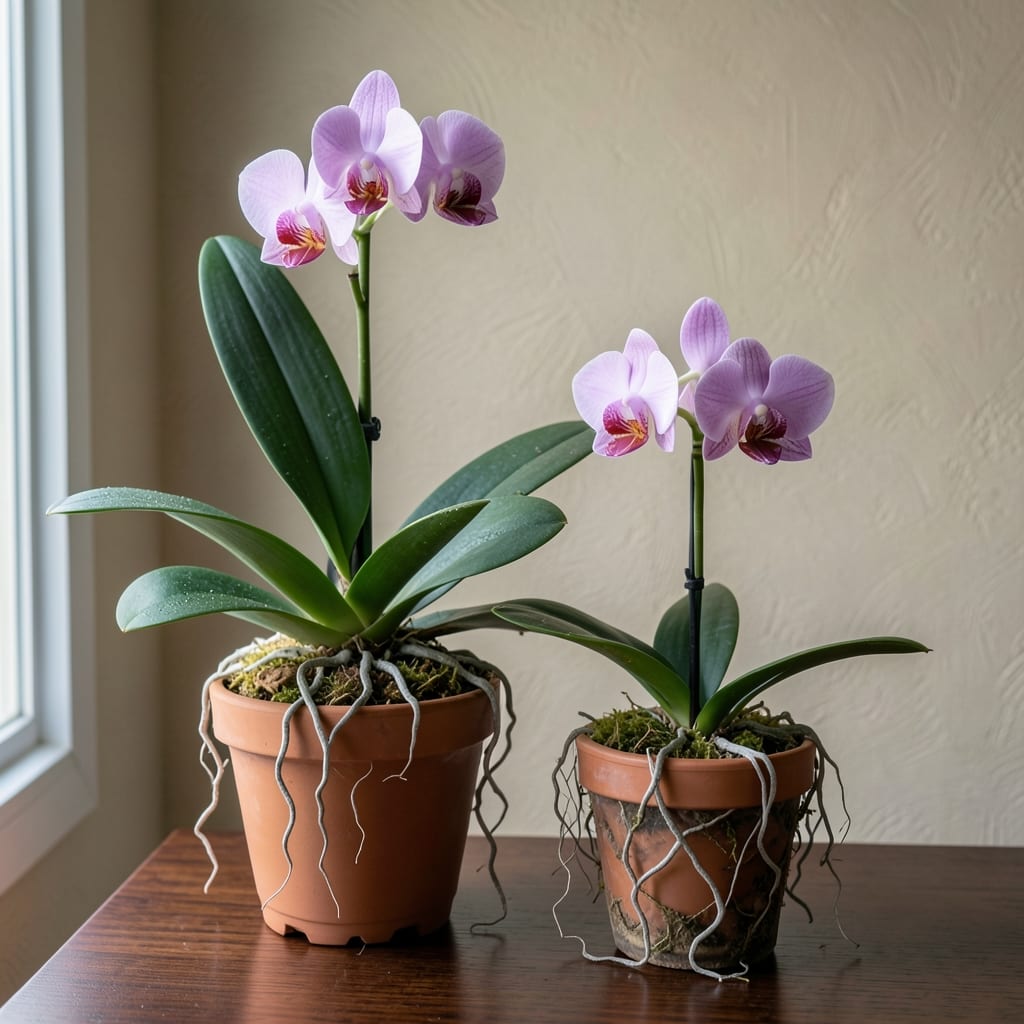
If you’ve ever stared at your 🌸 orchid wondering how tall can orchids grow, you’re not alone. The height of your orchid isn’t just luck—it’s a mix of genetics, care habits, and a few surprising secrets that can transform your plant’s growth overnight.
From delicate Jewel orchids that stay under 6 inches to towering Cattleya hybrids that stretch over 4 feet, orchids come in all sizes. But here’s the kicker: with the right light, pot, and pruning tricks, you can actually guide your orchid’s height—whether you want it compact or climbing toward the sky.
Let’s break down the exact heights by variety and the simple care tweaks that make all the difference. Whether you’re dealing with a miniature wonder or a vertical giant, you’ll learn how to keep your orchid thriving at the perfect height for your space.
Ready to unlock the secrets? By the end, you’ll know exactly how tall your orchid can grow—and how to make it happen without guesswork.


Orchid height by variety: from miniature jewels to towering giants
Orchids aren’t one-size-fits-all when it comes to height. Some varieties stay small enough to nestle in your palm, while others grow tall enough to reach your ceiling. The Phalaenopsis (moth orchid) often tops out at 2-3 feet, but its cousins like Cattleya or Vanda can stretch up to 6 feet or more with the right care. Even within a single species, heights can vary by 50% depending on growing conditions.
Dwarf orchids like Jewel orchids (Ludisia discolor) or Miniature Cattleyas rarely exceed 6 inches in height, making them perfect for desk gardens or terrariums. These compact varieties thrive in small pots and don’t require vertical support. Meanwhile, tree-like Dendrobiums or ascending Oncidiums can grow 3-5 feet tall, often needing stakes or trellises to support their weight.
Here’s the surprising truth: some orchids grow taller in response to stress. For example, Phalaenopsis left in low light will stretch its stems dramatically to reach light, a condition called etiolation. This explains why your once-compact orchid might suddenly shoot up like a weed! Understanding these growth patterns helps you control height—whether you want a bushy, compact plant or a tall, dramatic statement piece.
🌱
| Variety | Typical Height Range | Growth Habit | Best For |
|---|---|---|---|
| Jewel Orchid (Ludisia discolor) | 3–6 inches | Ground cover | Desk gardens, terrariums |
| Miniature Cattleya | 6–12 inches | Compact clusters | Small pots, windowsills |
| Phalaenopsis (Moth Orchid) | 2–3 feet | Upright stems | Hanging baskets, shelves |
| Cattleya (Corsage Orchid) | 2–4 feet | Vertical spikes | Display stands, trellises |
| Vanda (Asian Orchid) | 3–6 feet | Trailing or upright | Large pots, outdoor mounts |
| Dendrobium (Tree Orchid) | 3–5 feet | Canes or clusters | Stakes, moss mounts |
If you’re wondering how to predict your orchid’s mature height, start by checking its parentage. Hybrid orchids often inherit traits from both parents—so if one parent is a dwarf Cattleya and the other is a tall Vanda, your plant might land somewhere in between. For example, Phalaenopsis hybrids bred for compact growth (like the ‘Mini Phal’ series) stay under 2 feet, while older varieties can easily top 3 feet.
Another pro tip: pseudobulb size often correlates with height. Orchids like Cymbidiums or Odontoglossums develop large pseudobulbs that act as water storage and support structures, allowing them to grow taller. Smaller pseudobulbs, like those in Jewel orchids, mean shorter, bushier plants. Pay attention to these clues when selecting new orchids—your future ceiling clearance depends on it!
For indoor growers, ceiling height is a real consideration. A 6-foot Vanda in a 9-foot ceiling room might feel just right, but the same orchid in an 8-foot-tall apartment could become a maintenance nightmare. Measure your space before committing to tall varieties like Dendrobiums or Cattleyas, or opt for trailing types like Masdevallia to save vertical space.
🌿
One common misconception is that all orchids grow at the same rate. In reality, some orchids mature in 2–3 years, while others take 5+ years
How care secrets control orchid height: light, pots, and pruning
Light is the single biggest factor in controlling orchid height. Too little light triggers etiolation, causing stems to stretch like overgrown noodles, while too much can scorch leaves. Vandas and Dendrobiums thrive in bright direct light (like a south-facing window) and grow upright, while Phalaenopsis prefer bright indirect light (east or north windows) to stay compact. Place your orchid 2–3 feet from a window—closer for high-light lovers, farther for shade-tolerant types.
Pot size plays a sneaky role too. Over-potting (using containers 2+ inches larger than the roots) forces orchids to focus on filling space instead of growing tall. For dwarf varieties like Jewel orchids, use 3–4 inch pots to encourage bushiness. Meanwhile, tall orchids like Cattleyas need 5–6 inch pots to support their vertical growth without toppling over. Always use pots with drainage holes—soggy roots stunt growth faster than any other factor.
🌱
❌ Over-potting – Roots suffocate, forcing orchids to grow outward instead of upward.
❌ Low light + small pot – Orchids stretch wildly to reach light but stay weak.
❌ Pruning at the wrong time – Cutting back after blooming can shock new growth.
Pruning isn’t just about looks—it’s a growth hack. For Phalaenopsis, trim spent spikes 1 inch above the node to encourage new shoots from the base, keeping the plant bushier and shorter. With Cattleyas, prune old canes at the base in early spring to redirect energy into younger, taller growth. Vandas benefit from light trimming of leggy stems to promote branching and a fuller shape. Always use sterilized scissors and cinnamon powder on cuts to prevent rot.
Humidity and airflow also shape height. Low humidity (under 40%) causes orchids to grow taller and thinner as they reach for moisture. Aim for 50–70% humidity by grouping plants together or using a pebble tray. Poor airflow (like keeping orchids in closed cabinets) leads to weak stems—place them near a fan on low or open windows to strengthen their structure. This simple tweak can make the difference between a top-heavy flop and a sturdy vertical grower.
For indoor growers with limited ceiling space, try horizontal pruning. Instead of letting orchids grow straight up, guide them along wall-mounted shelves or trellises at waist height. This works especially well for trailing types like Masdevallia or Odontoglossum, turning them into living art installations without sacrificing height. Just be sure to rotate the pot occasionally so all sides get even light.
🪴