
Trees
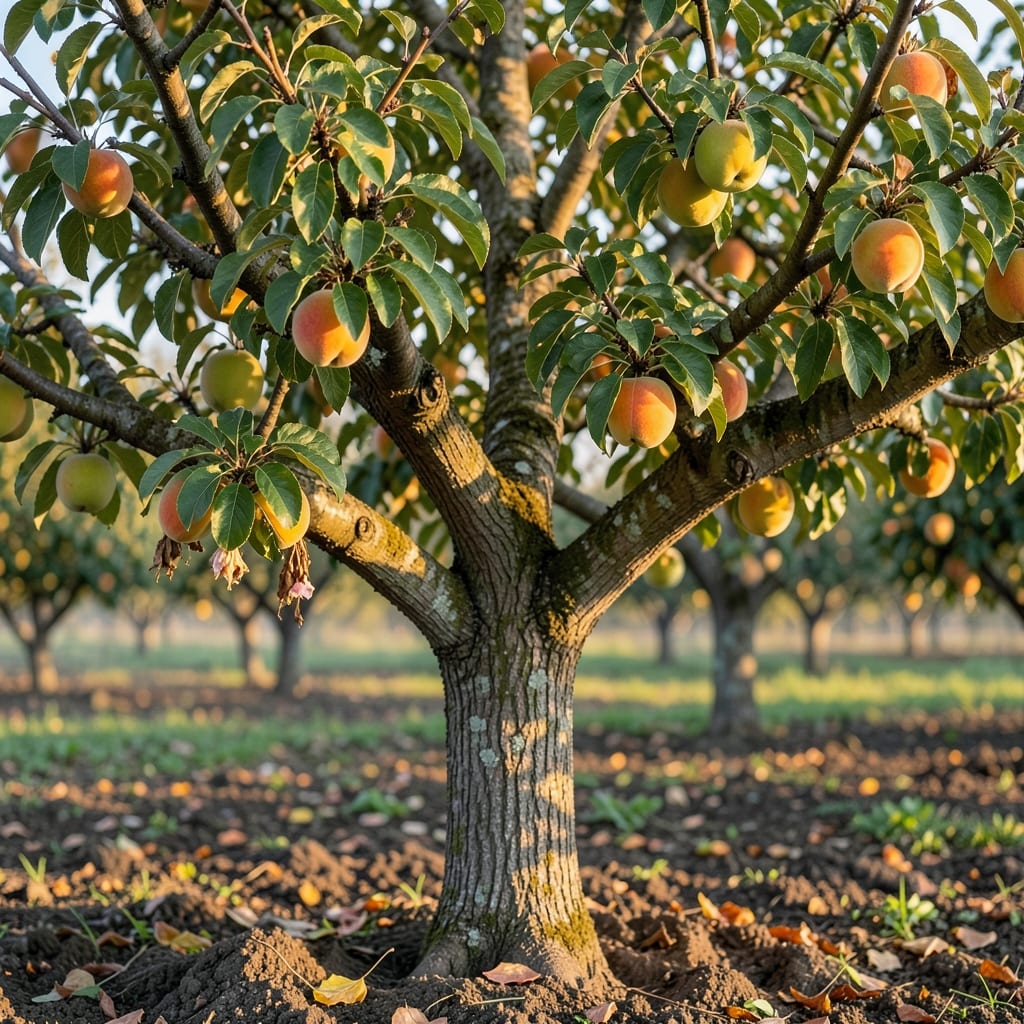
If you're wondering "how tall can peach trees grow", the answer might surprise you—some varieties stretch taller than your two-story house while others stay compact enough for a backyard patio! 🍑 The key difference lies in the variety you choose, and picking the right one can mean the difference between a manageable 6-foot tree and a towering 25-foot giant.
Whether you're dreaming of a dwarf peach tree for small spaces or a standard variety for a full orchard, understanding height ranges helps you plan spacing, pruning, and even harvest logistics. Some popular dwarf varieties like 'Bonanza' max out around 8 feet, while classic favorites such as 'Elberta' can reach 20 feet or more.
But height isn't just about the variety—climate, pruning habits, and soil quality all play a role in how tall your peach tree grows. In USDA Zone 6a, for example, proper winter pruning can keep a tree from becoming unruly while still producing abundant fruit. Let’s break down the factors so you can choose—and care for—a peach tree that fits your space and goals.
Ready to turn your backyard into a peach paradise? I’ll share the best varieties for small gardens, pro tips for controlling height, and how to maximize fruit production—no matter how tall (or short) your tree becomes.


Peach tree height by variety: dwarf to standard to giant sizes explained
Peach trees come in a stunning range of sizes, from compact dwarf varieties perfect for small yards to towering standard trees that dominate large orchards. The height you choose directly impacts your fruit yield, pruning needs, and even the harvesting experience. For example, a dwarf peach tree might max out at 8 feet, while a standard variety can soar to 25 feet or more—that’s taller than most two-story homes!
Your garden’s space constraints and growing goals should guide your choice. A semi-dwarf peach tree (typically 12-16 feet) strikes a balance, offering manageable height while still producing abundant fruit. Meanwhile, giant varieties (rare but possible) can exceed 30 feet, making them ideal for rural properties or commercial orchards where shade and windbreaks are priorities.
Here’s the game-changer: rootstock determines 80% of a peach tree’s mature height. Dwarf varieties are often grafted onto stunted rootstock like Lovell or Halford, while standard trees use seedling rootstock for unrestricted growth. Understanding this helps you avoid costly mistakes when selecting nursery stock.
| Variety Type | Mature Height | Space Needs | Growth Rate | Best For |
|---|---|---|---|---|
| Dwarf | 6–8 ft | 10x10 ft | Slow to moderate | Containers, patios, small yards |
| Semi-Dwarf | 12–16 ft | 15x15 ft | Moderate | Backyards, urban gardens |
| Standard | 18–25 ft | 25x25 ft | Fast | Orchards, rural properties |
| Giant (Rare) | 30+ ft | 50x50 ft | Very fast | Commercial farms, windbreaks |
Popular dwarf peach varieties like 'Bonanza' or 'Redhaven Compact' are bred for small-space gardening but still deliver high yields. These trees often produce fruit in their second or third year, making them a rewarding choice for impatient gardeners. Just be prepared for more frequent pruning to maintain their compact shape and encourage airflow, which reduces disease risk.
If you’re eyeing a standard peach tree, varieties like 'Elberta' or 'Relenta' are classic choices for their large fruit size and abundant harvests. However, these giants require ample spacing—plant them at least 25 feet apart to prevent root competition and improve air circulation. Their taller canopies also make harvesting trickier, often requiring ladders or pruning to create lower branches.
Climate plays a surprising role in height control. In warmer USDA zones (8-10), peach trees often grow taller and faster due to longer growing seasons. Meanwhile, in cooler zones (5-7), growth may be slower and more compact as the tree focuses energy on survival. Always check a variety’s cold-hardiness rating—some dwarf varieties struggle below Zone 6, while standard trees thrive in Zone 5 with proper winter care.
Pro tip: Container-grown peach trees (even standard varieties) can be pruned aggressively to stay under 10 feet if you’re short on space. Use espalier training to grow them flat against a fence or trellis, saving horizontal room while keeping the tree manageable. Just ensure your container is at least 24 inches deep and has drainage holes to prevent root rot.
Remember, height isn’t set in stone—regular pruning and training can shape your peach tree’s growth trajectory. Even a standard variety can be kept at 12 feet with consistent maintenance, while a dwarf tree left unchecked might reach 10 feet by maturity
How to control peach tree height: pruning tips for small spaces and large yields
Controlling your peach tree’s height isn’t just about aesthetics—it’s about maximizing fruit production, easing harvests, and preventing disease. Even a standard peach tree can be tamed with the right pruning techniques, while dwarf varieties need regular maintenance to stay compact. The key is timing: winter pruning shapes structure, while summer pruning refines growth and boosts yields.
Start with structural pruning in late winter (before buds swell) to remove dead, crossing, or inward-growing branches. This opens the canopy to sunlight and airflow, reducing fungal risks like brown rot. For dwarf peach trees, aim to keep the main scaffold branches at 3-4 feet to maintain their petite stature. Use a sharp bypass pruner to make clean cuts just outside the branch collar.
Here’s a game-changing tip: Prune 1/3 of the tree’s oldest wood every year to encourage new growth. This rejuvenates fruit production and prevents the tree from becoming top-heavy. For standard varieties, limit height by removing vertical water sprouts (shoots growing straight up) and suckers (shoots from the base). These compete for nutrients and can send your tree skyrocketing.
🌱 Pro Tip for Small Spaces:
Use espalier training to grow peach trees flat against a fence or trellis. This method keeps trees under 8 feet while maximizing fruit production in tight areas. Start training young trees by tying branches to horizontal wires or a sturdy frame. Prune to encourage horizontal growth—this creates a "wall" of peaches perfect for urban gardens!
🔹 Best for: Dwarf and semi-dwarf varieties
🔹 Tools needed: Pruners, twine, stakes, and a trellis
Summer pruning is your secret weapon for controlling height and improving fruit quality. After harvest, thin out excessive shoots and suckers to redirect energy to fruit-bearing branches. For dwarf trees, pinch back new growth tips to encourage bushier growth. Avoid heavy pruning in summer—this can stress the tree and leave it vulnerable to pests. Instead, focus on light shaping to maintain an open center.
Watch out for over-pruning mistakes that can stunt growth or reduce harvests. Never remove more than 25% of the canopy in a single session, especially on young trees. Over-pruning can lead to weak wood and poor fruit set the following year. If your tree is already too tall, gradual reduction is key—cut back 1-2 feet per year over several seasons to avoid shocking the tree.
Climate plays a role in pruning too. In warmer zones (8-10), peach trees grow more aggressively, so prune earlier in the season (late winter) to control height. In cooler zones (5-7)late winter or early spring when frost risk has passed. Always sterilize your pruners with rubbing alcohol between cuts to prevent spreading disease.
Remember, height control is an ongoing process. Even a well-pruned tree can outgrow its space if neglected. Schedule quarterly checks—remove water sprouts in spring, thin branches in summer, and shape the tree in winter. With consistent care, you can enjoy abundant peaches from a tree that fits your garden—whether it’s a 6-foot patio tree or a 12-foot backyard beauty.