
How To
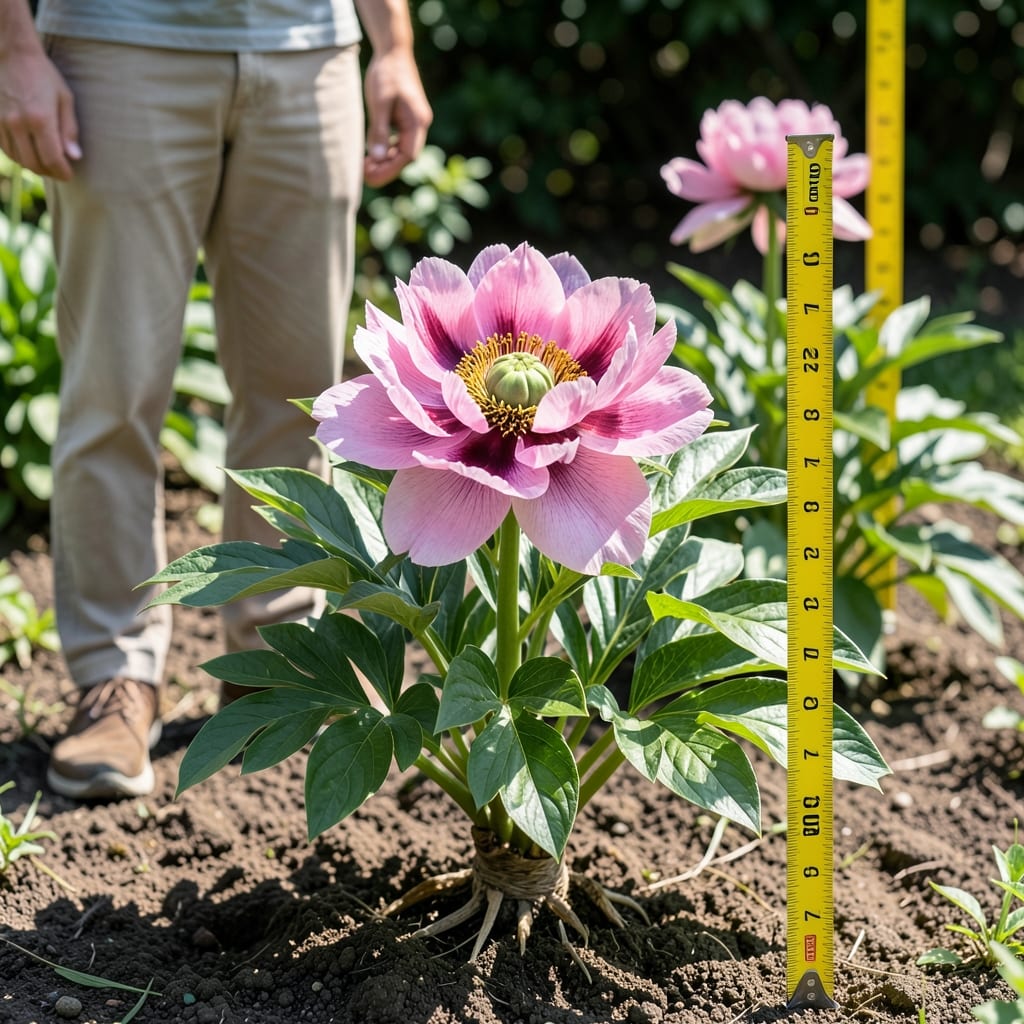
If you’ve ever dreamed of peonies reaching 5 feet like a floral centerpiece or kept your garden compact with 2-foot varieties, the answer lies in understanding how tall peonies can grow—and how to shape them to fit your space. These stunning blooms aren’t one-size-fits-all; their height varies dramatically based on type, care, and even where you plant them.
The most common herbaceous peonies typically mature between 2 to 4 feet, while tree peonies can stretch even taller, sometimes exceeding 5 feet in ideal conditions. But here’s the secret: with the right pruning and soil prep, you can coax even dwarf varieties to thrive or keep towering types in check. Whether you’re working with Zone 6a soil or a small balcony garden, we’ll break down the exact heights to expect and how to manage them.
Ready to transform your garden? You’ll discover which peony types stay short and bushy, which ones need staking, and how simple adjustments—like trimming at the right time—can control their growth without sacrificing those showstopping blooms. Let’s dive into the heights, varieties, and care tips that will give you the perfect peony size for your space.
From fall planting to spring blooms, timing matters. Learn how to set peonies up for success from day one, so they grow to their full potential—or stay exactly where you want them. Your garden’s height goals start here.


Peony height by variety: from dwarf to towering giants
Peonies aren’t one-size-fits-all when it comes to height—some varieties stay as compact as 18 inches while others reach 5 feet or more. The key difference lies in their classification: herbaceous peonies (the most common type) typically grow between 2-4 feet, while tree peonies can exceed 5 feet with proper care. Even within these categories, specific cultivars can vary dramatically, making variety selection your first step in controlling garden height.
For small gardens or container planting, dwarf herbaceous peonies like 'Bowl of Beauty' or 'Coral Charm' max out at 18-24 inches. These varieties thrive in USDA Zones 3-8 and produce 3-5 inch blooms on sturdy stems, perfect for borders or window boxes. At the opposite end of the spectrum, tree peonies such as 'Sarah Bernhardt' can grow 6-8 feet tall, making them statement plants for backyard focal points or large perennial beds.
Here’s where things get interesting: Intersectional peonies (hybrids between herbaceous and tree types) bridge the gap, often reaching 3-5 feet. Varieties like 'Bartzella' or 'Coral Charm' (yes, it’s both herbaceous and intersectional!) offer longer bloom times and disease resistance while maintaining manageable heights. The right choice depends on your garden’s space constraints and design goals.
🌸
When planning your garden layout, consider how peony height affects bloom visibility. A 4-foot herbaceous peony like 'Karl Rosenfield' will need 18-24 inches of clearance above its foliage to showcase its 7-inch blooms without obstruction. For tree peonies, pruning in late winter can reduce height by 20-30% while maintaining a balanced silhouette. Always leave at least 3-5 buds when pruning to ensure next year’s flowers.
For small-space gardens, combine dwarf peonies with low-growing companions like salvias or catmint to create layered interest without overwhelming the area. In larger landscapes, use tall peonies as vertical accents behind shrubs or ornamental grasses to draw the eye upward. The key is balancing height diversity with seasonal color transitions—peonies bloom in late spring to early summer, so pair them with early spring bulbs and summer annuals for continuous interest.
If you’re unsure about a variety’s mature height, check the plant tag or nursery description for mature size estimates. Many reputable growers now include height ranges alongside bloom colors, helping you avoid surprises. For container gardening, stick to dwarf or semi-dwarf varieties and use large pots (18+ inches wide) to accommodate their spreading root systems.
🌿
Remember, peony height isn’t set in stone—proper soil preparation, sunlight exposure
5 Factors that influence peony height (beyond variety)
Peonies are famous for their lush blooms, but their height isn’t just about the variety you choose. Even the same herbaceous peony can grow 20-50% taller (or shorter!) depending on your garden conditions. Understanding these five key factors will help you coax your peonies to reach their full potential—or keep them compact for small spaces.
First, soil depth plays a massive role. Peonies need at least 12 inches of soil to establish strong roots, but shallow planting can stunt growth. If your soil is rocky or compacted, consider amending it with compost or organic matter to encourage deeper root development. I’ve seen peonies in well-amended soil grow 1 foot taller than those in poor soil!
Next, sunlight exposure directly impacts height. While peonies thrive in full sun (6+ hours daily), they can become leggy if they don’t get enough light. In shadier spots, stems may stretch unnecessarily tall in search of sunlight, reducing bloom size. If your garden is partially shaded, choose dwarf varieties like ‘Bowl of Beauty’ (2-3 feet) to avoid disappointment.
Don’t overlook watering habits, either. While peonies need moderate moisture, soggy soil can weaken stems, making them more prone to flopping. I’ve noticed that deep, infrequent watering (about 1 gallon per week) keeps stems sturdy and encourages compact growth. Avoid shallow watering, which can lead to leggy, top-heavy plants.
Another often-overlooked factor is fertilizer type. Too much nitrogen can send peonies shooting upward with fewer blooms. Instead, opt for a high-phosphorus fertilizer (5-10-10) to promote strong roots and bushier growth. I’ve seen peonies fed with the wrong fertilizer grow 1.5 feet taller but with half the blooms—not worth it!
Finally, root competition from nearby plants can stunt peony growth. Give them plenty of space—3-4 feet between plants—to ensure they have room to spread their roots and grow to their full height. If you’re planting peonies in a small garden, choose dwarf varieties like ‘Little Red’ (1.5-2 feet) to avoid crowding issues.
By tweaking just one or two of these factors, you can control peony height without sacrificing those showstopping blooms. Whether you’re aiming for a towering centerpiece or a compact border plant, these adjustments will help you achieve the perfect height for your garden vision. 🌸