
Size
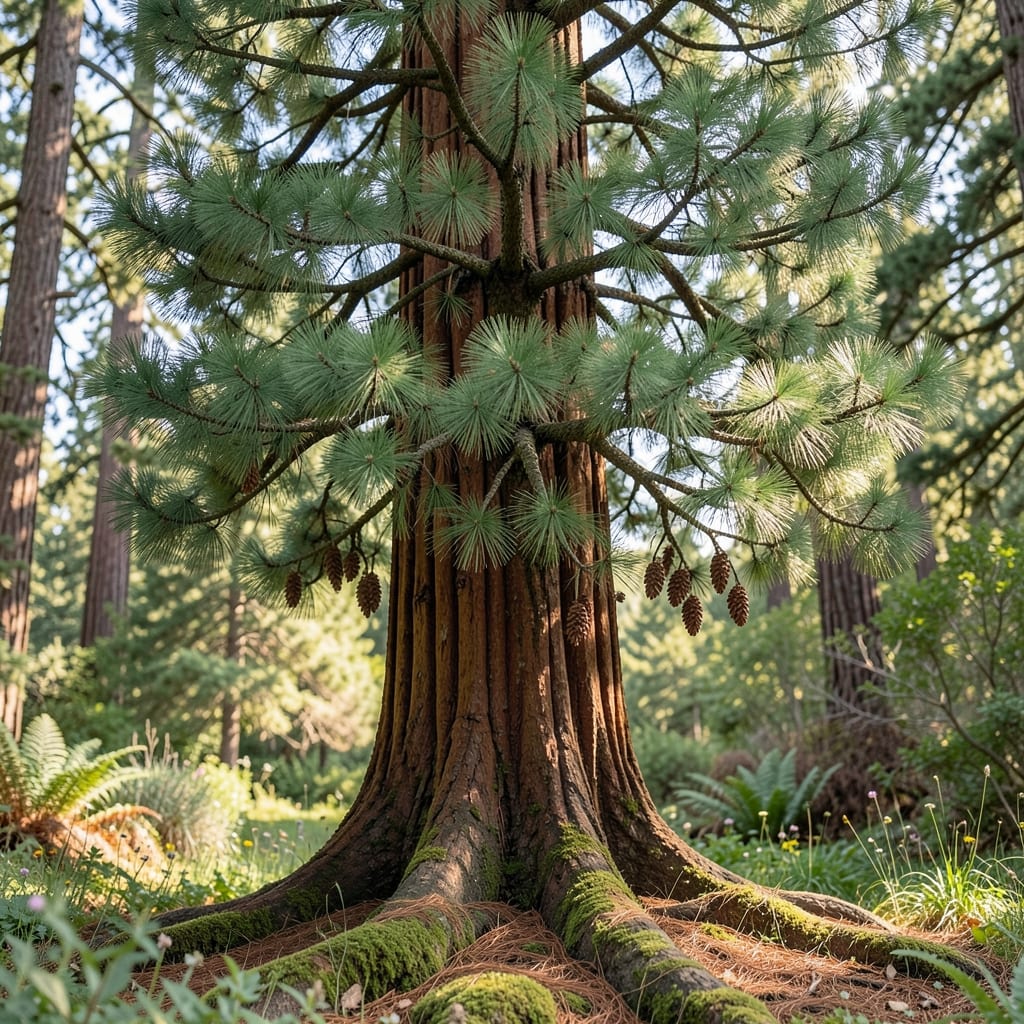
How tall can redwood trees grow? If you’ve ever stared up at a towering 🌲 and wondered how it could possibly reach such heights, the answer might surprise you—these coastal giants can stretch over 380 feet, making them the tallest trees on Earth. That’s taller than a 30-story building, and they do it naturally, without any human help.
Native to coastal California, Oregon, and southwestern Washington, redwoods thrive in the perfect mix of fog, mild temperatures, and deep soil. Their shallow but widespread root systems anchor them while allowing rapid vertical growth—sometimes adding 3 feet per year in ideal conditions. But what exactly fuels their incredible height?
In this guide, I’ll break down the science behind their growth, from their record-breaking heights to the ideal conditions that help them reach the sky. Whether you’re dreaming of planting one or just fascinated by nature’s skyscrapers, you’ll discover why these trees are true wonders of the natural world.
Ready to learn how redwoods defy gravity? Let’s explore the secrets behind their staggering stature—and what it takes to grow one of your own.


The staggering height records of coast redwood trees
When we talk about how tall can redwood trees grow, we’re not just discussing a few extra feet—we’re looking at trees that defy human imagination. The coast redwood (Sequoia sempervirens) holds the title for the tallest trees on Earth, with some specimens stretching over 380 feet into the sky. That’s taller than a 30-story building and nearly the height of the Statue of Liberty from base to torch!
At the top of this list is Hyperion, the world’s tallest known tree, standing at a mind-boggling 380.1 feet. Discovered in 2006 in California’s Redwood National and State Parks, Hyperion’s exact location remains a secret to protect it from vandalism. Its height was measured using a laser rangefinder, a testament to modern technology meeting nature’s extremes.
The second-tallest, Icarus, reaches 379.7 feet, while the third, Helios, stands at 379.5 feet. These trees aren’t just tall—they’re ancient, with some estimated to be over 2,000 years old. Their sheer size makes them a symbol of resilience and longevity in the natural world.
| Tree Name | Height (ft) | Location | Age Estimate |
|---|---|---|---|
| Hyperion | 380.1 | Redwood National Park, CA | ~2,000+ years |
| Icarus | 379.7 | Redwood National Park, CA | ~1,800+ years |
| Helios | 379.5 | Redwood National Park, CA | ~1,900+ years |
| Average Mature Redwood | 200-250 | Coastal California | 500-1,000 years |
While these giants steal the spotlight, most coast redwoods reach heights between 200 and 250 feet when mature. Their growth rate is equally impressive—young redwoods can grow 3 to 4 feet per year under ideal conditions. This rapid vertical expansion is one of the reasons they dominate their forest ecosystems, often reaching maturity in just a few centuries.
What’s even more fascinating is how these trees compete for sunlight. In dense redwood forests, the canopy can be so thick that little light reaches the forest floor. This creates a layered ecosystem where only the tallest trees thrive, and their height is a direct result of their ability to outgrow competitors for precious sunlight.
If you’ve ever visited a redwood forest, you’ve likely looked up and felt a mix of awe and vertigo. These trees don’t just grow tall—they dominate the landscape, creating entire ecosystems within their towering canopies. Their height isn’t just a measurement; it’s a testament to their adaptability and resilience in one of the most challenging environments on Earth.
But how do they achieve such heights? The answer lies in their unique biology, which we’ll explore next—including their shallow root systems, thick bark, and the perfect coastal climate that fuels their growth. Stay with me as we dive into the science behind these natural skyscrapers!
🌲
What makes redwood trees grow so tall: key biological factors
If you’ve ever wondered how tall can redwood trees grow, the answer lies in their remarkable biology. Unlike most trees, redwoods have evolved a shallow but expansive root system that spreads wide rather than deep. This allows them to anchor themselves securely while still accessing moisture from the topsoil layer. Their roots can extend up to 100 feet wide, creating a stable base even in windy coastal conditions where they thrive.
Their thick, fire-resistant bark is another secret to their survival and height. Redwood bark can grow up to 12 inches thick on mature trees, protecting them from wildfires—a common threat in their native habitat. This thick bark also insulates the tree, helping it maintain steady growth even in harsh coastal climates where temperatures can fluctuate dramatically between day and night.
| Feature | Redwood Trees | Giant Sequoias | Other Tall Trees |
|---|---|---|---|
| Root System | Shallow, wide-spreading | Deep, taproot | Moderate depth |
| Bark Thickness | Up to 12 inches | Up to 3 feet | 1-2 inches |
| Growth Rate (Young) | 3-4 ft/year | 1-2 ft/year | 1-3 ft/year |
| Climate Preference | Coastal fog, mild temps | Mountainous, dry | Varies by species |
Redwoods also thrive in the coastal fog that blankets their native habitat. This natural mist provides a constant source of moisture, reducing their need for deep water sources. In fact, mature redwoods can survive on fog drip alone, which is why they’re often found in areas with high humidity and frequent coastal fog. This adaptation allows them to grow in environments where other trees would struggle to survive.
Their rapid vertical growth is another key factor in their towering stature. Young redwoods can grow 3 to 4 feet per year under ideal conditions, a rate that slows as they mature but still allows them to reach staggering heights over centuries. This rapid growth is fueled by their ability to photosynthesize efficiently, even in low-light conditions beneath the forest canopy.
Comparing redwoods to other giant trees like giant sequoias reveals fascinating differences. While giant sequoias grow wider and develop massive trunks, redwoods prioritize height, often growing three times taller than their sequoia cousins. Their slender trunks and lightweight branches allow them to reach incredible heights without toppling over, even in strong winds.
For gardeners dreaming of growing their own redwood, understanding these biological factors is crucial. While you may not grow a 380-foot giant in your backyard, creating the right conditions—coastal-like climate, deep soil, and consistent moisture—can help your young redwood thrive and reach impressive heights over time. The key is patience, as these trees take centuries to reach their full potential.
🌿