
How To
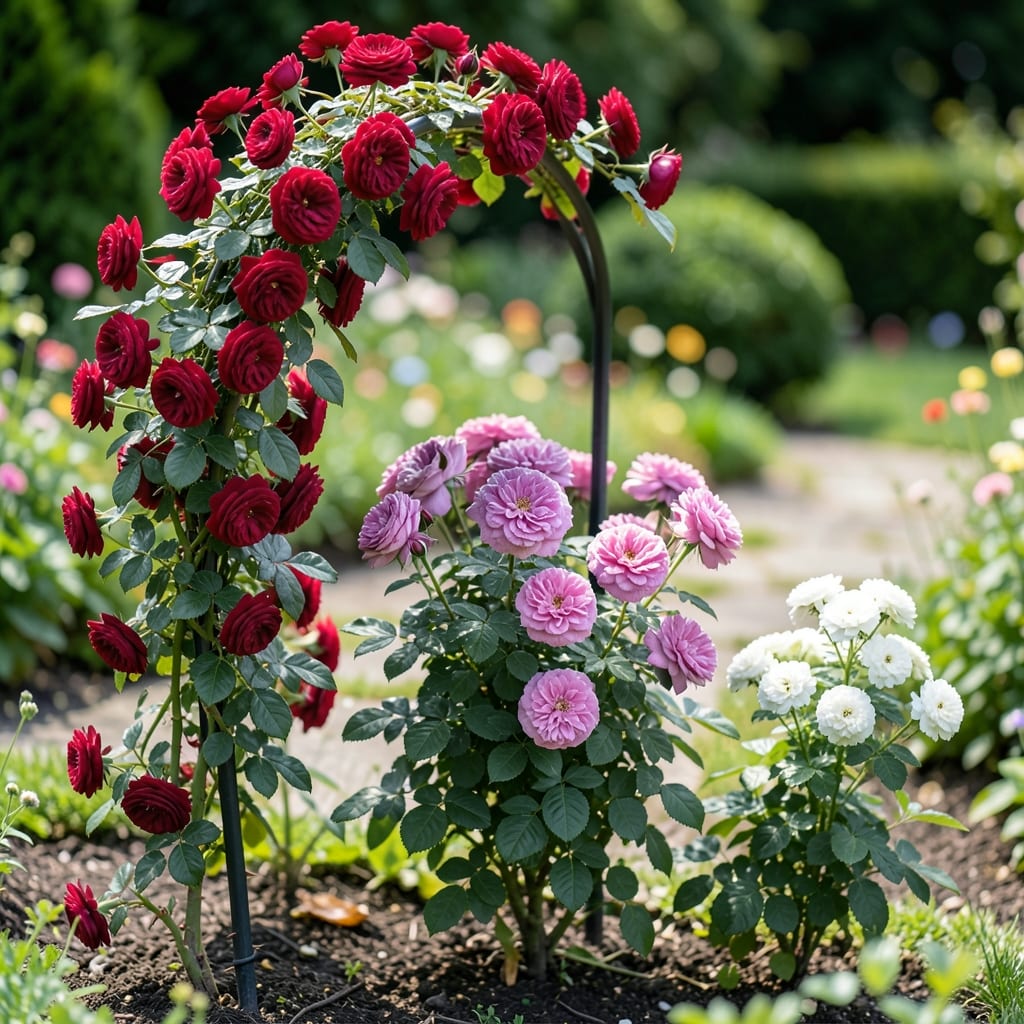
If you’ve ever wondered how tall can rose bushes grow, the answer might surprise you—some varieties stretch taller than a basketball hoop while others stay neatly contained in a small pot! The height of your 🌹 rose bush depends on its type, care, and even your pruning habits, so knowing these details can save you from overcrowded gardens or wasted space.
Whether you’re dreaming of a dramatic climbing rose arch or a compact shrub for a small yard, understanding growth potential is key. I’ll break down the different types—from towering climbers to petite miniatures—and share pruning secrets to keep your roses at the perfect height for your space. No more guessing whether your next rose will outgrow its spot!
Let’s start with the basics: why some roses reach 10 feet while others max out at 2 feet. The answer lies in their genetics, training methods, and how you shape them over time. By the end, you’ll know exactly which varieties fit your garden—and how to control their growth like a pro.
Ready to transform your garden with roses that fit perfectly? I’ll walk you through everything you need to know, from variety selection to pruning tips that actually work. Let’s get started!


Maximum height of rose bushes by type: climbers vs shrubs vs miniatures
When choosing roses for your garden, height matters more than you think. Some varieties will gracefully climb your trellis to 20 feet, while others stay perfectly contained in a 2-foot pot. The key difference? Their genetic growth habits and how you train them. Let’s explore the range so you can pick the perfect fit for your space.
Climbing roses are the tallest players in the rose world, often reaching 10-20 feet with proper support. Shrub roses typically stay between 3-6 feet, making them ideal for borders, while miniature roses rarely exceed 2 feet. Even within these categories, varieties can vary—like the Blaze climbing rose hitting 15 feet versus the Iceberg shrub staying at 4-5 feet.
Here’s the breakdown you’ve been waiting for—mature heights by rose type—so you can visualize which varieties will thrive in your garden layout.
| Rose Type | Mature Height Range | Best For | Example Varieties |
|---|---|---|---|
| Climbing Roses | 10–20 ft | Trellises, arbors, fences | Blaze, New Dawn, Zephirine Drouhin |
| Shrub Roses | 3–6 ft | Borders, hedges, foundation plantings | Knock Out, Dr. Huey, The Fairy |
| Miniature Roses | 1–2 ft | Containers, rock gardens, fairy gardens | Fairy Tale, Baby Boomer, Tiny Wine |
| Hybrid Teas | 3–5 ft | Cut flowers, garden focal points | Double Delight, Mr. Lincoln, Peace |
| Standard Roses | 5–10 ft | Small trees, patio centers | Apache, Queen Elizabeth, Abraham Darby |
| Floribunda Roses | 2–4 ft | Mass plantings, borders | Iceberg, Julia Child, Ice Cap |
Notice how standard roses (grafted onto tall stems) can mimic small trees, while miniature roses are perfect for containers or window boxes. If you’re working with limited space, Knock Out roses or floribundas are your best bets—they stay compact but still pack a punch of color.
Pro tip: Climbing roses need sturdy support from day one. Without a trellis or arbor, they’ll sprawl instead of reaching their full 15-20 foot potential. I’ve seen too many gardeners regret not installing support early—don’t let that be you!
For shrub roses, height can be managed with light pruning in early spring. Cut back 1/3 of the oldest stems to encourage bushier growth and prevent leggy stems. This keeps them at a manageable 3-5 feet while boosting blooms.
If you love the idea of tall roses but lack the space, consider dwarf varieties or container training. Some shrub roses, like The Fairy, stay under 2 feet yet produce hundreds of blooms. It’s all about choosing the right variety for your vision.
Now that you know the height ranges, let’s talk about how to control growth—because even the tallest climbers can be tamed with the right techniques. Next, I’ll share my pruning secrets to keep your roses at the perfect height for your garden.
Maximum height of rose bushes by type: climbers vs shrubs vs miniatures
When planning your garden, how tall can rose bushes grow depends entirely on the variety you choose. Some roses are naturally compact, while others can climb 20 feet or more with proper training. The key is understanding the mature height of each type before planting—this determines everything from pruning needs to garden layout.
Climbing roses, for example, are bred to reach incredible heights, often 10–20 feet, making them perfect for trellises, arbors, or fences. Shrub roses, on the other hand, typically stay between 3–6 feet, ideal for borders or foundation plantings. Miniature roses? They rarely exceed 2 feet, making them perfect for containers or small spaces.
Here’s a quick breakdown of what to expect from popular rose types, so you can pick the perfect fit for your garden:
For instance, the ‘New Dawn’ climbing rose can easily reach 15 feet with proper support, while the ‘Bonica’ shrub rose stays a manageable 3–4 feet. Even within the same category, heights can vary—so always check the specific variety’s details before buying. Pro tip: Dwarf roses like ‘Fairy Tale’ rarely exceed 2 feet, making them ideal for window boxes or balcony gardens.
If you’re unsure about your garden’s layout, consider standard roses, which are essentially shrub roses grafted onto tall stems. They can grow 5–10 feet but require staking for support. This makes them a great middle-ground option for gardeners who want height without the commitment of a full climber.
Remember, pruning and training play a huge role in controlling height—even a climbing rose can be kept smaller with regular pruning. We’ll dive deeper into those techniques in the next section, but for now, pick a variety that matches your space and vision. Your garden (and your roses) will thank you!