
Flowers
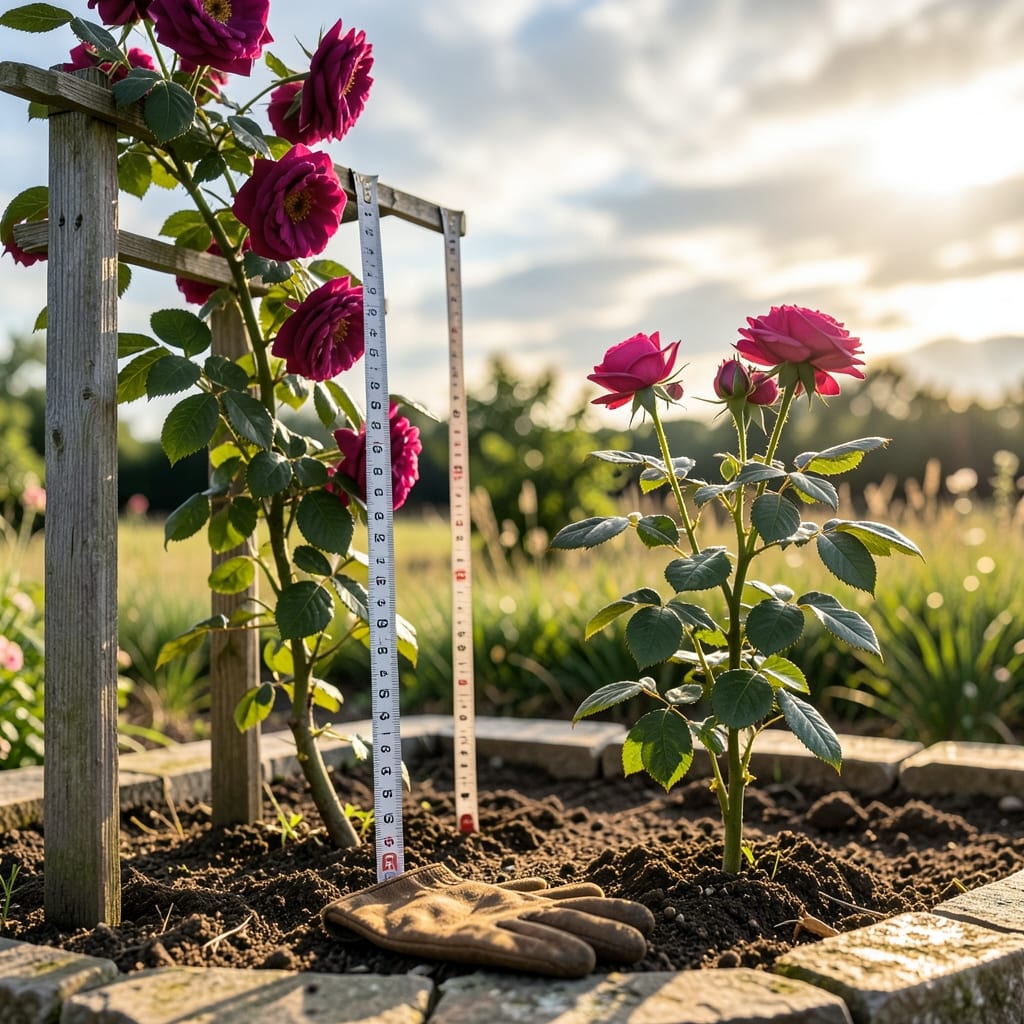
If you’ve ever wondered how tall can roses grow, the answer might surprise you—some varieties stretch toward the sky like living ladders, while others stay cozy as compact shrubs. The difference isn’t just luck; it’s all about the type of rose you choose and how you care for it.
Picture this: a 15-foot climbing rose draping over a pergola or a dainty 2-foot patio rose adding charm to a small balcony. The possibilities are endless, but knowing which variety fits your space—and how to nurture it—is the secret to success. Whether you’re designing a grand garden or a tiny urban oasis, understanding rose height ranges will help you make the perfect choice.
From delicate miniature roses to towering climbers, the height spectrum is wider than you might think. Some roses grow tall naturally, while others can be trained to reach new heights—or kept small with the right pruning techniques. Let’s explore the world of rose sizes and discover how to grow the perfect 🌹 for your garden, no matter how big (or small) your space is.
Ready to transform your outdoor space with roses that fit your vision? You’ll learn which varieties thrive in tight spots and which ones need room to climb, plus expert tips to control their growth. Let’s get started!


Rose varieties by height: from dwarf shrubs to towering climbers
When planning your rose garden, the first question is almost always: how tall can roses grow? The answer depends entirely on the variety you choose. Roses aren’t one-size-fits-all—they range from tiny patio dwarfs to graceful 15-foot climbers. Understanding these height categories helps you select the perfect rose for your space, whether it’s a small balcony or a sprawling backyard.
Most roses fall into four broad height categories: dwarf (1-3 ft), semi-dwarf (3-5 ft), standard (5-15 ft), and climbing (10+ ft). Each category offers unique growth habits, bloom styles, and care requirements. For example, miniature roses stay under 2 feet but pack big floral impact, while climbing roses need sturdy trellises to support their dramatic vertical growth.
| Variety Type | Height Range | Popular Cultivars | Growth Habit |
|---|---|---|---|
| Miniature Roses | 1-3 ft | 'Fairy' Series, 'Tom Thumb' | Compact, bushy |
| Patio Roses | 2-4 ft | 'The Fairy', 'Playboy' | Upright, repeat blooming |
| Shrub Roses | 3-6 ft | 'Knock Out' Series, 'Dr. Huey' | Bushy, disease-resistant |
| Hybrid Tea Roses | 4-6 ft | 'Double Delight', 'Mister Lincoln' | Tall stems, single blooms |
| Climbing Roses | 10-20+ ft | 'New Dawn', 'Blaze' | Long canes, needs support |
| Standard Roses | 5-15 ft | 'Queen Elizabeth', 'Apache' | Grafted on tall stems |
If you’re working with limited space, miniature roses and patio roses are ideal choices. These varieties stay under 4 feet tall, making them perfect for containers, window boxes, or small garden beds. For example, the 'Fairy' series produces golf-ball-sized blooms on stems just 1-2 feet tall—ideal for fairy gardens or hanging baskets.
On the opposite end of the spectrum, climbing roses like 'New Dawn' can reach 15-20 feet when given proper support. These varieties are perfect for covering arbors, fences, or trellises, adding a romantic touch to any landscape. Their canes require regular pruning to encourage upward growth and prevent sprawling.
For a balanced middle ground, shrub roses and hybrid teas offer versatility. Shrub roses like 'Knock Out' grow 3-6 feet tall and produce continuous blooms with minimal care, while hybrid teas like 'Double Delight' reach 4-6 feet and deliver classic, show-stopping flowers. These varieties work well in borders, mixed beds, or as focal points in garden designs.
One common misconception is that all roses need to be tall to be impressive. In reality, some of the most stunning roses—like miniature roses or spray roses—stay compact yet deliver abundant, fragrant blooms. The key is choosing a variety that matches your garden’s scale and your maintenance preferences.
For instance, if you love the look of roses but have a small urban patio, consider 'Playboy' patio roses. They grow just 2-3 feet tall but produce football-sized blooms in vibrant colors. Meanwhile, if you’re designing a grand entrance or backyard focal point, a standard rose like 'Queen Elizabeth' can reach 6-8 feet and make a dramatic statement.
Understanding these height categories helps you avoid common mistakes, like planting a 10-foot climber in a 3-foot-wide garden bed. Instead, you can thoughtfully design your space to maximize vertical growth where it’s needed and keep roses contained where space is limited.
What determines rose height: genetics, pruning, and growing conditions
Did you know the height of your roses isn’t just about luck? It’s a mix of genetics, pruning techniques, and growing conditions that work together to shape your rose’s growth. Understanding these factors lets you control rose height—whether you want a compact bush or a towering climber. Let’s break down the science behind it.
The rootstock you choose plays a huge role. Most roses are grafted onto stronger rootstocks like Dr. Huey or Fortuna, which influence height. For example, Dr. Huey produces taller roses, while Fortuna keeps them shorter. If you’re planting bare-root roses, check the label to see what rootstock they’re using—it’s your first clue to their potential height.
- 🌱 Rootstock Type: Dr. Huey = taller, Fortuna = shorter
- ✂️ Pruning Style: Hard pruning = compact, light pruning = taller
- ☀️ Sunlight Exposure: Full sun = vigorous growth, partial shade = slower
- 💧 Watering: Overwatering = leggy growth, balanced water = sturdy
- 🌡️ Climate Zone: Warmer zones = faster growth, cooler zones = slower
Pruning is your secret weapon for managing rose height. If you want a shorter rose, prune back by one-third to half in early spring. For taller growth, prune lightly or avoid heavy cuts. Remember, roses bloom on new wood—so prune just above a bud or leaf node to encourage healthy regrowth. Over-pruning can stunt growth, while under-pruning lets them get leggy and top-heavy.
Sunlight and soil quality are equally important. Roses need full sun (6+ hours daily) for optimal growth, but too much heat without proper water can stress them. Amend your soil with compost and organic matter to give roots the nutrients they need. Poor soil? Your roses will stay small, no matter how much you prune. Test your soil’s pH—roses thrive in slightly acidic soil (6.0-6.5).
Your climate zone also plays a role. In warmer zones (like USDA Zones 8-10), roses grow faster and taller, while cooler zones (like Zones 3-5) may see slower, more controlled growth. If you’re in a cooler area, consider mulching heavily in winter to protect roots and encourage stronger spring growth.
Want to encourage taller growth? Give your roses plenty of space, avoid overcrowding, and fertilize regularly with a balanced rose fertilizer. For shorter roses, prune regularly and use dwarfing rootstocks. With the right approach, you can grow roses that fit your garden perfectly—whether you’re dreaming of a romantic arbor or a neat patio border.