
Size
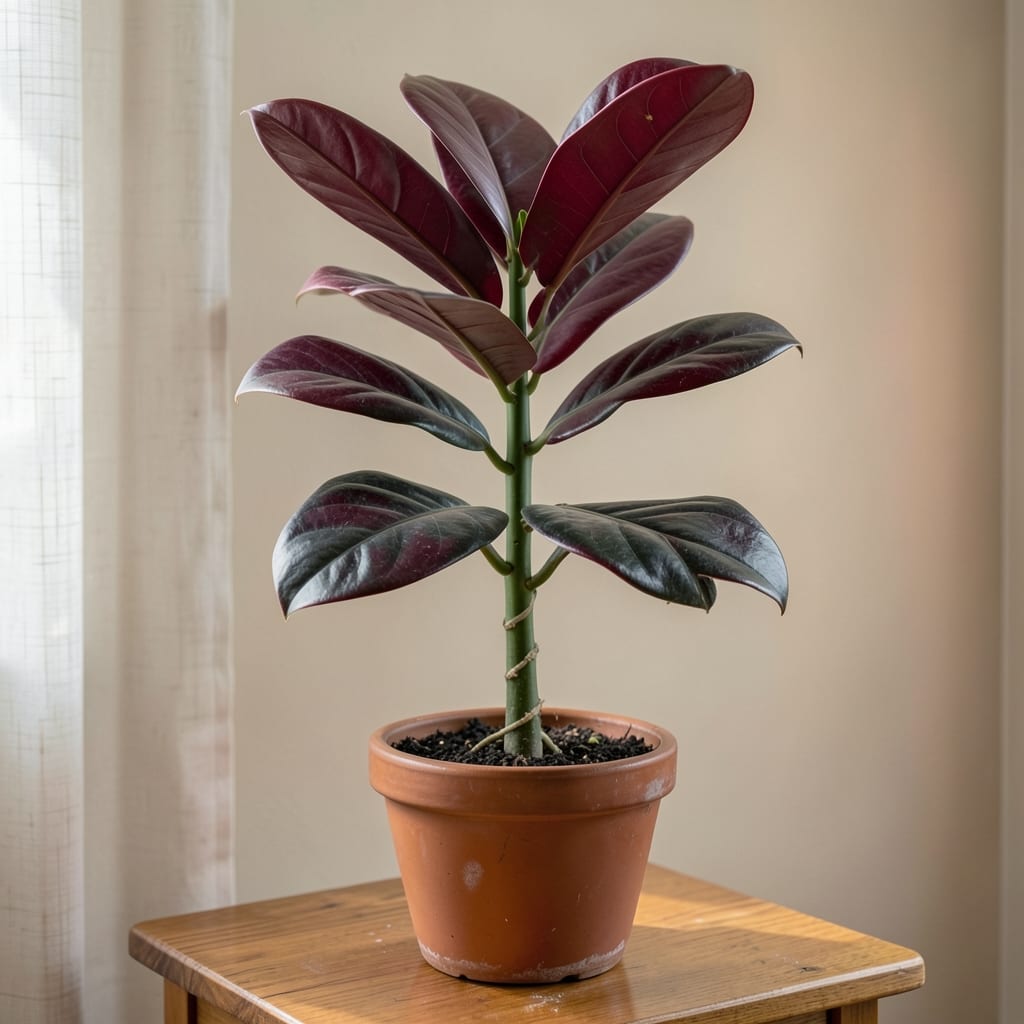
If you’ve ever stared at your Rubber Plant 🌿 and wondered, "How tall can rubber plants grow?"—you’re not alone. These striking houseplants can stretch toward the ceiling if you’re not careful, but with the right care, you can keep them at a manageable height. Whether you’re dealing with a 6-foot giant or a compact 3-foot beauty, understanding their growth habits is key to keeping them happy—and under control.
The truth is, rubber plants are fast growers, especially in ideal conditions like bright, indirect light and spacious pots. But don’t panic—pruning isn’t just for height control. It’s also how you encourage bushier growth and healthier leaves. I’ll show you exactly how to trim them without stressing the plant, so you can enjoy that lush, tropical look without sacrificing your ceiling space.
What’s even more interesting is how variety plays a role. Some rubber plants stay shorter naturally, while others shoot up like sky-scrapers if left unchecked. We’ll break down the differences, so you know what to expect whether you’re growing the classic Ficus elastica or a rare variegated type. Plus, I’ll share pro tips for indoor vs. outdoor growth—because yes, outdoor plants can get even taller!
Ready to take the guesswork out of rubber plant care? By the end of this guide, you’ll know exactly how to manage their height, when to prune, and how to keep them thriving—no matter how much they want to reach for the sky. Let’s get started!


Rubber plant height by variety: expected growth ranges & mature size limits
Rubber plants (Ficus elastica) are famous for their dramatic growth potential, but their final height depends heavily on the variety and growing conditions. Some types stay compact at just 3 feet, while others can reach 10 feet or more indoors—without proper care! Understanding these differences helps you set realistic expectations and plan for pruning or support structures.
The most common rubber plant varieties fall into three height categories: dwarf, standard, and variegated. Dwarf types like 'Burgundy' or 'Black Prince' typically max out around 3-5 feet, making them ideal for small spaces. In contrast, the classic Ficus elastica 'Robusta' can easily surpass 8 feet if given ideal conditions. Variegated varieties, like 'Tineke' or 'White Princess,' often grow slightly slower but can still reach 6-10 feet.
Outdoor rubber plants grow even taller—sometimes 15 feet or more—when planted in warm climates like USDA Zones 10-12. However, most indoor growers never see this extreme height because of limited light and space. The key factor? Light exposure. Plants in bright, indirect light grow faster and taller, while those in low light remain shorter but may develop leggy stems.
Age also plays a role. In their first year, rubber plants grow 1-2 feet, but by year three, they can add 3-5 feet annually if unpruned. This rapid growth is why many gardeners prune regularly—not just for aesthetics, but to encourage bushier, healthier foliage. Without pruning, a 5-year-old rubber plant could easily reach ceiling height or beyond!
Pot size is another critical factor. Rubber plants in large containers (12+ inches) grow taller because they have more room to develop deep root systems. If you want to limit height, opt for <
Rubber plant height by variety: expected growth ranges & mature size limits
Rubber plants (Ficus elastica) are famous for their dramatic growth, but their final height depends heavily on the variety and growing conditions. The classic standard rubber plant can easily reach 6 to 10 feet indoors, while outdoor plants in tropical climates may even surpass 15 feet if unpruned. But don’t worry—with the right care, you can keep most varieties at a more manageable 3 to 6 feet.
Variegated types, like the Ficus elastica 'Tineke', often grow slightly slower due to their energy demands for maintaining white or pink variegation. These stunning plants typically max out at 5 to 8 feet indoors, making them a great choice if you prefer a slightly shorter stature. Rare varieties, such as the 'Black Prince' or 'Robusta', may grow taller but with denser foliage that masks their height better.
🌿
One critical factor in height control is the juvenile vs. mature growth stages. Young rubber plants grow 1–2 feet per year for the first few years, but once they mature (around 3–5 years old), their growth rate slows slightly. This is when pruning becomes especially useful to maintain your desired height and encourage bushier growth.
Outdoor rubber plants in USDA Zones 9–11 can grow significantly taller due to abundant sunlight and space. However, even outdoor plants benefit from annual pruning to prevent them from becoming unmanageable. If you’re growing yours outside, aim to prune in late spring to shape the plant before the growing season peaks.
Light exposure also plays a huge role. Rubber plants in low-light conditions may grow leggy and tall as they stretch toward any available light. To keep them compact, place them near an east or north-facing window where they’ll get bright, indirect light for 4–6 hours daily. If your plant starts leaning or developing sparse leaves, it’s a sign it needs more light—or a pruning session to reset its growth.
🌳