
Flowers
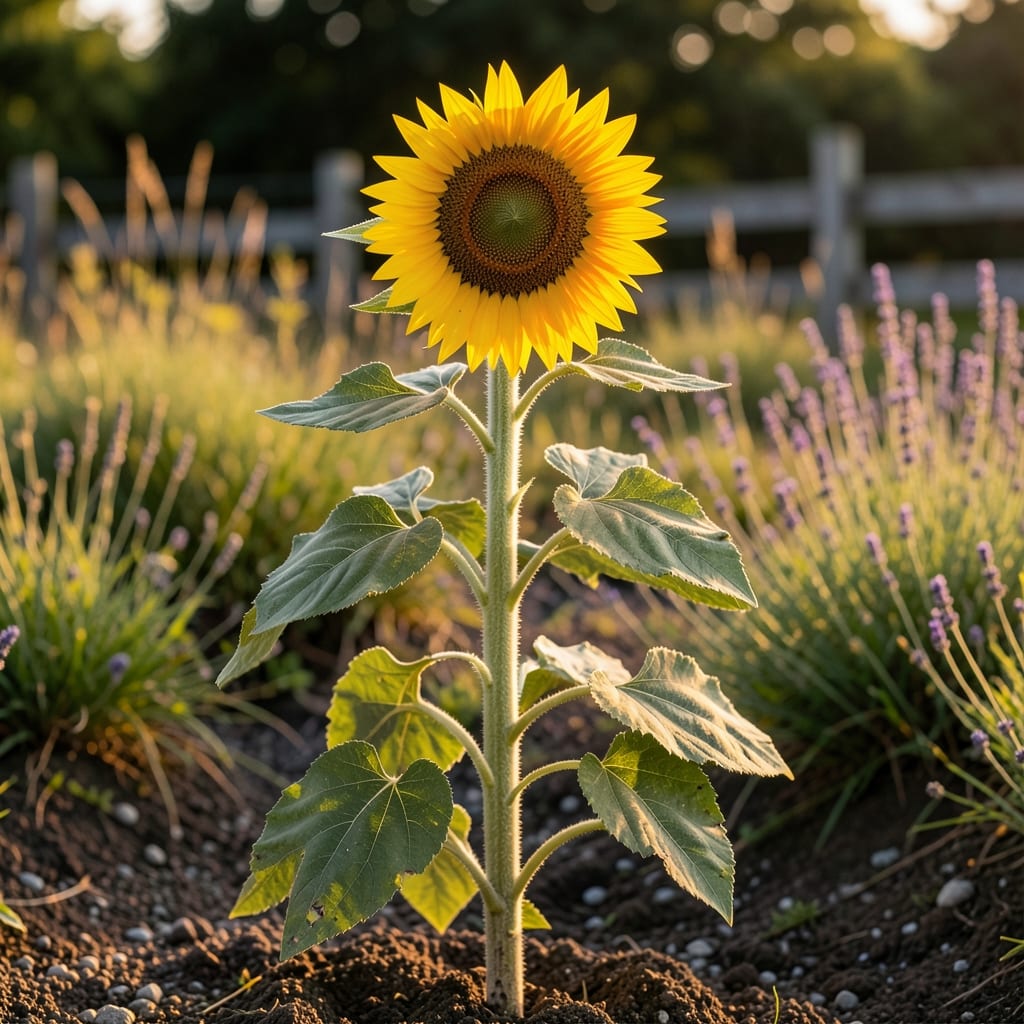
If you’ve ever wondered how tall can sunflowers grow up to, imagine 16-foot-tall giants towering over your garden like living skyscrapers. The answer depends on the variety you choose, and the possibilities might surprise you.
Sunflowers aren’t just cheerful 🌻 companions—they can become architectural statements in your outdoor space. Some dwarf varieties stay compact, while others stretch toward the sky, making them perfect for both small balconies and sprawling backyards. But what determines their height?
In this guide, I’ll break down the tallest sunflower varieties and the factors that influence their growth—from soil quality to sunlight exposure. Whether you’re dreaming of a sunflower that reaches your roof or need space-saving options, you’ll find the perfect fit for your garden.
Ready to turn your garden into a sunflower wonderland? Let’s explore how to grow them tall—or keep them small—based on your space and goals.


Sunflower height records: tallest varieties and their growth limits
Sunflowers are nature’s skyscrapers, with some varieties stretching toward the sky like giant sun-seeking sentinels. The tallest sunflowers can reach 12 to 16 feet, rivaling the height of a two-story building! These towering beauties aren’t just impressive—they’re also a testament to selective breeding and ideal growing conditions.
If you’ve ever wondered how tall sunflowers can grow, the answer depends entirely on the variety you choose. Some sunflowers stay compact, perfect for small gardens, while others grow tall enough to cast shadows over your entire yard. The key to maximizing height lies in understanding both genetic potential and environmental factors.
Here’s the truth: the 'Mammoth' sunflower variety holds the record for the tallest sunflower, often reaching 14 feet or more under perfect conditions. Other giant varieties like 'Russian Giant' and 'Autumn Beauty' can also top out at 10 to 12 feet. These varieties are bred specifically for height, making them a favorite for gardeners with space to spare.
But what makes these sunflowers grow so tall? It’s a mix of genetics, sunlight exposure, soil quality, and water availability. Sunflowers are heliotropic, meaning they follow the sun’s movement throughout the day. This natural behavior contributes to their rapid vertical growth, especially in their early stages.
For comparison, dwarf sunflowers like 'Teddy Bear' or 'Moulin Rouge' stay between 1 to 3 feet tall, making them ideal for containers, balconies, or small gardens. Meanwhile, semi-dwarf varieties like 'ProCut' grow to 3 to 6 feet, offering a middle-ground option for gardeners with limited space.
If you’re dreaming of giant sunflowers in your garden, choose a variety with high genetic potential for height. However, even the tallest sunflowers need the right conditions to reach their full potential. Poor soil, lack of sunlight, or overcrowding can stunt their growth, leaving you with a much shorter plant than expected.
One common misconception is that all sunflowers grow equally tall. In reality, dwarf varieties are bred to stay short, while tall varieties need extra care to support their weight. Without proper staking or spacing, even the tallest sunflowers can lean or snap under their own weight.
For gardeners with limited space, compact varieties are a game-changer. They offer the same vibrant blooms and pollinator benefits without taking over your yard. Plus, they’re easier to maintain and perfect for container gardening or urban spaces where tall plants might be impractical.
Whether you’re aiming for skyscraper sunflowers or space-saving dwarfs, understanding the height potential of each variety is the first step. Next, we’ll explore how to maximize sunflower height with the right soil, sunlight, and spacing techniques to help your sunflowers reach their full glory.
How to maximize sunflower height: soil, sun, and spacing tips
Sunflowers don’t just grow tall—they thrive when given the right conditions. To help your sunflowers reach their maximum height potential, focus on three key factors: soil nutrition, sunlight exposure, and proper spacing. These elements work together to create the perfect environment for your sunflowers to stretch toward the sky.
First, let’s talk soil quality. Sunflowers are heavy feeders, especially during their rapid growth phase. They need well-draining soil rich in organic matter to support their towering stems. A soil test can reveal if your garden lacks essential nutrients like nitrogen for leafy growth or phosphorus for root development. Amending your soil with compost or a balanced fertilizer (like 10-10-10) can give your sunflowers the boost they need to grow tall and strong.
Next, sunlight is non-negotiable. Sunflowers are heliotropic plants, meaning they follow the sun’s movement throughout the day. To maximize height, ensure your sunflowers receive at least 6–8 hours of direct sunlight daily. Plant them in the sunniest spot in your garden, preferably where they won’t be shaded by taller plants or structures. Morning sun is ideal, as it helps prevent afternoon wilting in hot climates.
Proper spacing is critical for tall sunflowers. Crowding can lead to stunted growth, weak stems, and disease. Give each plant 12–24 inches of space between seedlings, depending on the variety. For giant sunflowers like 'Mammoth,' space them 24 inches apart to prevent competition for nutrients and water. Thinning seedlings early ensures each plant has room to grow vertically without bending or breaking.
🌱 Pro Tips for Towering Sunflowers
- ✅ Feed with nitrogen-rich fertilizer early in the season to encourage stem growth.
- ✅ Water deeply at the base in the morning to avoid fungal diseases from evening moisture.
- ✅ Stake tall varieties (like 'Mammoth') with bamboo or wooden stakes to prevent leaning.
- ✅ Avoid over-fertilizing with phosphorus late in the season—it can reduce height.
- ✅ Mulch around the base to retain moisture and regulate soil temperature.
One common mistake is overwatering, which can lead to weak stems and disease. Sunflowers are drought-tolerant once established, so let the soil dry slightly between waterings. Focus on deep, infrequent watering to encourage strong root development, which supports taller growth. Avoid wetting the leaves, especially in humid conditions, to prevent mildew.
For gardeners with tall sunflowers in windy areas, consider support structures like trellises or cages. These not only prevent leaning but also create a vertical display that adds drama to your garden. Even dwarf varieties can benefit from light support if grown in containers, where wind can be a bigger issue.
Finally, remember that patience is key. Sunflowers grow rapidly in their first 6–8 weeks, but their final height depends on consistent care. Monitor your plants for signs of nutrient deficiencies (like yellowing leaves) or pests (such as aphids), and address issues promptly. With the right care, your sunflowers can reach heights that will leave your neighbors in awe.
Now that you know how to maximize sunflower height, let’s explore how to save space with compact varieties—perfect for small gardens or urban balconies.