
Size
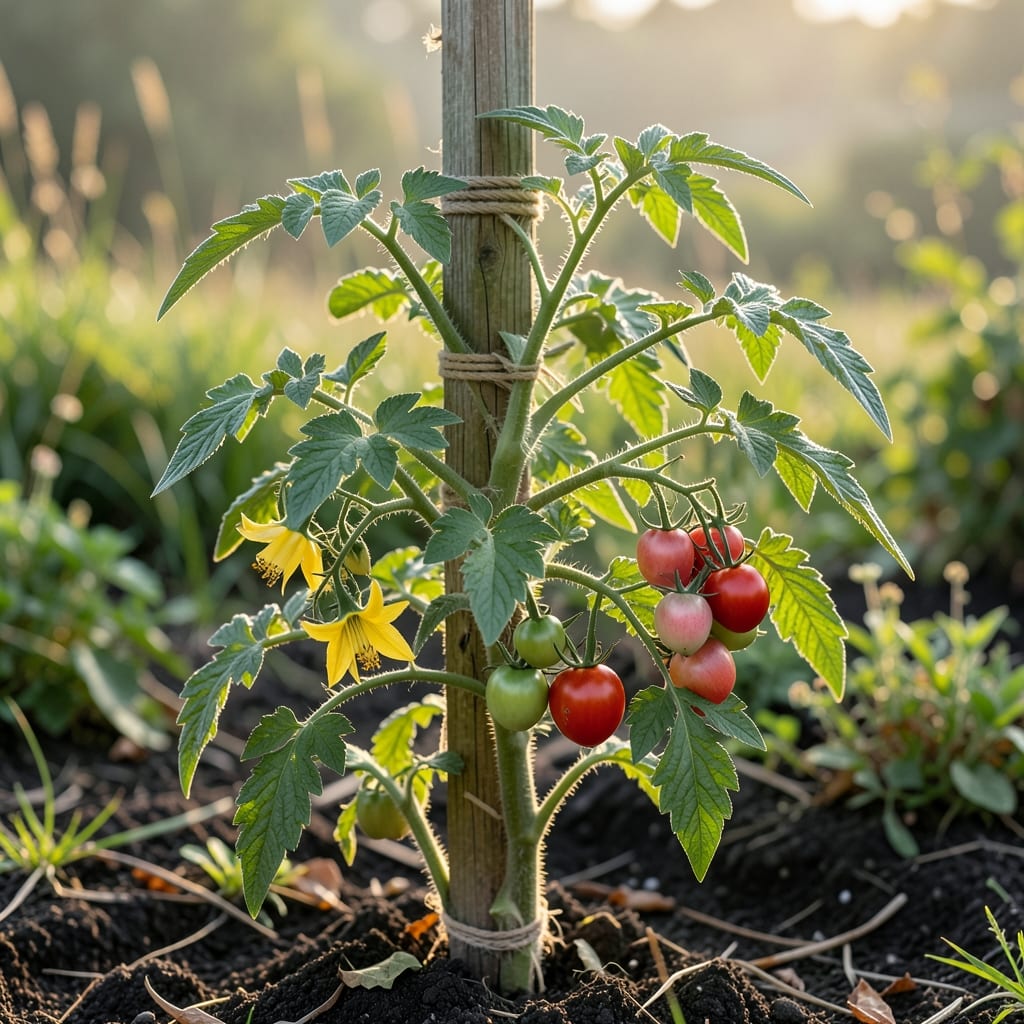
If you’ve ever wondered how tall can tomatoes grow, the answer might surprise you—some varieties stretch taller than a basketball hoop while others stay compact enough for a windowsill. The difference comes down to one key factor: whether you’re growing determinate (bush) or indeterminate (vining) types.
For gardeners in USDA Zone 6a, where spring planting kicks off in April, choosing the right variety is the first step to managing height. Determinate tomatoes like 'Celebrity' top out around 3-4 feet, making them perfect for containers, while indeterminate giants such as 'Sungold' can climb to 10 feet or more with proper support.
But height isn’t just about variety—it’s also about care. Pruning, trellising, and even your watering habits play a role in whether your 🍅 plants reach their full potential or struggle under their own weight. Let’s break down what you need to know to grow tomatoes that thrive at any height.
Whether you’re dreaming of a towering vine or a neat, manageable bush, the right approach ensures bigger yields and healthier plants. Ready to discover how to control—and even maximize—that growth?

Tomato plant height records by variety: from dwarf to giant
When it comes to how tall can tomatoes grow, the possibilities are staggering. Some varieties stay as short as 12 inches, while others can stretch to 12 feet or taller with the right care. The secret lies in understanding the two main tomato growth habits: determinate (bush) and indeterminate (vining) types.
Determinate tomatoes grow to a fixed height—usually 3-5 feet—and produce fruit all at once. Indeterminate varieties, on the other hand, keep growing until frost, often reaching 6-10 feet or more. This difference alone explains why some gardeners swear by compact varieties for containers, while others dream of towering vines for trellises.
Here’s a quick look at some of the most extreme tomato heights you can grow in your garden:
| Variety | Type | Mature Height | Notes |
|---|---|---|---|
| 'Tiny Tim' | Determinate | 12-18" | Perfect for pots; harvests early. |
| 'Celebrity' | Determinate | 3-4 ft | Classic bush type; great for cages. |
| 'Sungold' | Indeterminate | 6-10 ft | Sweet cherry tomato; needs strong support. |
| 'Arkansas Traveler' | Indeterminate | 8-12 ft | Heirloom; produces large fruit all season. |
| 'World's Tallest Tomato' (Guinness Record) | Indeterminate | 12+ ft | Grown with intensive care and support. |
The Guinness World Record for tallest tomato plant belongs to a 12.3-foot indeterminate variety grown in the UK. While most home gardeners won’t reach that height, varieties like 'Arkansas Traveler' or 'Sungold' can easily surpass 8 feet with proper trellising and pruning.
For gardeners in USDA Zone 6a, where summers are warm but not extreme, indeterminate varieties like 'Brandywine' or 'Cherokee Purple' thrive when given a sturdy trellis. These plants can produce fruit for months, making them ideal for continuous harvests.
If you’re growing tomatoes in containers, stick to dwarf or semi-dwarf varieties like 'Patio Princess' or 'Balcony Red'. These stay under 3 feet and are perfect for balconies or small spaces. Just ensure your pot is at least 12 inches deep to accommodate roots.
Height isn’t just about variety—it’s also about support structures. A 5-foot cage works for determinate types, while indeterminate varieties need strong trellises or stakes. Without support, even dwarf varieties can flop over under the weight of fruit.
Pruning plays a huge role too. For indeterminate tomatoes, removing suckers (side shoots) encourages taller, more productive growth. Determinate types need minimal pruning, as their height is naturally limited. The key is to balance airflow and fruit production to avoid disease.
So, whether you’re aiming for a compact bush or a sky-high vine, choosing the right variety and giving it the support it needs will determine just how tall can tomatoes grow in your garden. Ready to pick your perfect plant?
How climate zones and growing conditions affect tomato height
If you’ve ever wondered how tall can tomatoes grow in your specific climate, the answer depends more on your USDA Zone than you might think. In Zone 6a, where last frost typically hits around April 15, indeterminate varieties like 'Brandywine' can easily reach 8-10 feet with proper care, while determinate types stay compact. But move to Zone 10, and you’ll find tomatoes growing year-round, often exceeding 12 feet in ideal conditions.
The key factors influencing height are temperature, sunlight exposure, and growing season length. In cooler zones like Zone 5, indeterminate varieties may only reach 6 feet before frost, while in Zone 9, they can grow continuously for months. Even within the same zone, microclimates—like a sunny south-facing wall—can push heights higher.
Here’s what you need to know to maximize (or control) tomato height in your climate:
🌡️ Climate Factors That Shape Tomato Height
- 🌡️ Temperature: Zones 7-10 support taller growth (8-12 ft) due to longer seasons.
- ☀️ Sunlight: 6+ hours daily = optimal height; <6 hours stunts growth.
- 💧 Watering: Drought stress = shorter, bushier plants; overwatering = leggy, weak stems.
- ✂️ Pruning: Heavy pruning = taller, fruit-focused growth; minimal pruning = bushier shape.
- 🪴 Support: Trellises/cages enable indeterminate types to reach full height potential.
In cooler climates (Zones 4-6), focus on early-maturing indeterminate varieties like 'Early Girl' or 'Stupice', which can reach 6-8 feet before frost. Pair them with black plastic mulch to warm soil faster and extend the season. For warmer zones (Zones 8-10), varieties like 'Black Krim' or 'Solar Fire' thrive year-round, often exceeding 10 feet when given vertical support.
Support structures make all the difference. In Zone 6a, a 6-foot trellis works for indeterminate types, while a 4-foot cage suffices for determinate varieties. For taller climates, consider overhead trellises or A-frame supports to handle 10+ foot vines. Without support, even dwarf varieties can sprawl, reducing airflow and increasing disease risk.
Pruning techniques also vary by climate. In hotter zones, aggressive pruning (removing suckers) encourages upward growth and prevents sunscald. In cooler zones, lighter pruning preserves energy for early fruiting. Always prune in the morning to allow wounds to heal before evening moisture sets in.
One often-overlooked factor is soil fertility. In nutrient-poor soils, tomatoes grow leggy and weak, struggling to support their own weight. Amend soil with compost or balanced fertilizer (5-10-10) at planting, then side-dress with nitrogen-rich amendments every 4-6 weeks during the growing season. In USDA Zone 6a, aim for 60°F soil temps before planting to ensure strong root development.
So whether you’re in a short-season zone or a tropical climate, understanding how your local conditions affect how tall can tomatoes grow lets you choose the perfect variety—and support system—to turn your garden into a tomato powerhouse. Ready to tailor your approach?