
Lawn
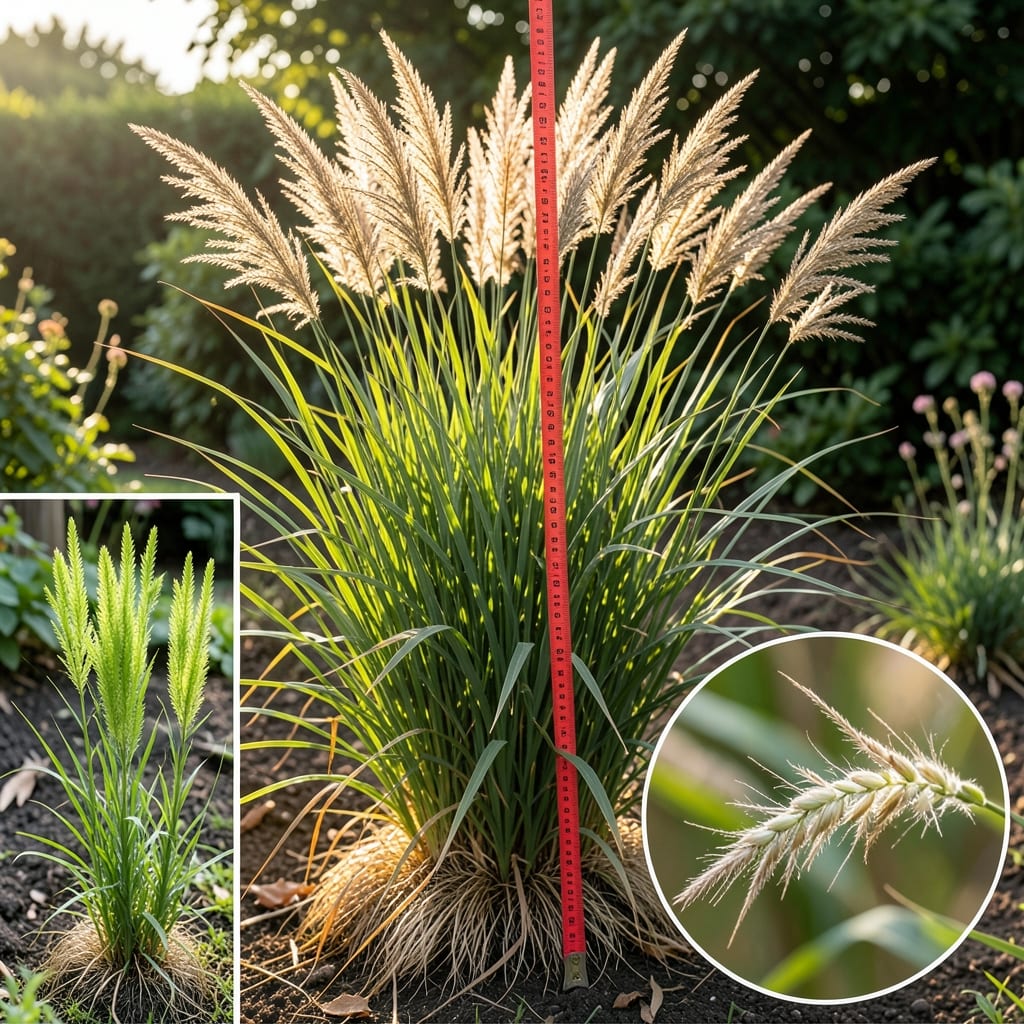
If you’ve ever spotted towering stalks of wild grass that seem to grow how tall they can—sometimes rivaling your fence or even your roof—you’re not imagining things. Some wild grass species can reach up to 12 feet tall, dwarfing small trees in height, while others stay compact. But what makes them grow so differently?
The truth is, wild grass height depends on its species, climate, and growing conditions. In USDA Zone 6a, where spring planting thrives, certain fast-growing varieties can shoot up 3 feet in just one season. Meanwhile, others remain low to the ground, offering ground cover instead of sky-high drama.
Whether you’re curious about the fastest-growing wild grasses or how to manage overgrowth in your yard, this guide breaks down the science behind their heights—and how you can work with (or against) nature’s green giants.
From bamboo-like stalks to delicate prairie grasses, we’ll explore the extremes of wild grass growth so you can spot, grow, or control them like a pro. Ready to discover which species reach for the sky?


World record wild grass heights: tallest species and their growth rates
When it comes to wild grass, nature’s tallest varieties can leave you in awe. Some species grow so high they outshine even small trees, while others stay humble. The giant reed (Arundo donax), for example, can reach up to 12 feet tall—taller than a basketball hoop! This fast-growing grass thrives in warm climates and spreads aggressively, making it both a marvel and a challenge.
Another extreme is bamboo (technically a grass), which can shoot up 3 feet in a single day during its early growth phase. While most bamboo stays between 10-30 feet tall, some running varieties can exceed 60 feet in ideal conditions. These giants aren’t just tall—they’re architectural powerhouses in landscapes.
For a more manageable but still impressive height, elephant grass (Pennisetum purpureum) can grow 10-12 feet tall in tropical climates. Its thick, woody stems make it a favorite for erosion control and privacy screens, but its rapid growth means it demands regular maintenance. Even switchgrass (Panicum virgatum), a native prairie grass, can reach 4-6 feet tall and plays a key role in wildlife habitats.
Now, let’s compare these sky-high grasses with a quick reference table to see how they stack up against each other and common garden grasses.
🌿 Wild Grass Height Comparison
| Species | Max Height | Growth Rate | Climate Preference |
|---|---|---|---|
| Giant Reed (Arundo donax) | 12 ft | 3-6 ft/year | Tropical/Subtropical |
| Bamboo (Running Types) | 60+ ft | 3 ft/day (early growth) | Warm Temperate |
| Elephant Grass (Pennisetum purpureum) | 10-12 ft | 4-5 ft/year | Tropical |
| Switchgrass (Panicum virgatum) | 4-6 ft | 2-3 ft/year | Temperate |
| Ornamental Grass (e.g., Miscanthus) | 6-10 ft | 1-2 ft/year | Cool Temperate |
What makes these grasses grow so tall? The answer lies in their genetics, sunlight exposure, and soil nutrients. For instance, giant reed thrives in full sun and moist soil, while bamboo’s rapid growth is fueled by its rhizome system, which spreads underground and shoots up vertically. Even switchgrass, though shorter, grows quickly in poor soil conditions, making it ideal for restoration projects.
If you’re in USDA Zone 6a, where winters can limit growth, focus on cold-hardy varieties like switchgrass or ornamental grasses. These species can still reach 4-6 feet tall in a single season, offering year-round interest with their dried seed heads. For faster growth, ensure your soil is well-draining and rich in organic matter—this gives grasses the nutrients they need to shoot upward quickly.
One surprising factor is water availability. While most wild grasses are drought-tolerant, they’ll grow taller and faster with consistent moisture. For example, elephant grass can double its height when given regular deep watering. However, overwatering can lead to weak stems and disease, so balance is key. Aim for 1 inch of water per week during the growing season.
For gardeners looking to harness this height potential, consider planting tall grasses in windbreaks or privacy screens. Their vertical growth provides natural barriers while supporting wildlife like birds and butterflies. Just be prepared for regular mowing or pruning—these grasses don’t stay tidy on their own!
Curious about which species grow the fastest? Stay tuned for our next section, where we’ll dive into the fastest-growing wild grasses and how to encourage their rapid vertical expansion in your own yard. 🌱
Fastest-growing wild grasses: which species reach sky-high heights quickly?
If you’ve ever watched wild grass shoot up overnight like a green rocket, you’re not alone. Some species grow with remarkable speed, reaching towering heights in just a few months. The fastest-growing wild grasses can add 3-6 feet per season, making them both a gardener’s challenge and a natural wonder.
These sky-high growers thrive in warm climates with abundant water, but even in USDA Zone 6a, they can dominate landscapes if left unchecked. From aggressive invaders to ornamental favorites, these grasses prove that nature’s green giants aren’t just tall—they’re fast.
Here’s how some of the fastest-growing wild grasses compete for height records and what conditions fuel their rapid growth:
Grows 3-6 feet per year in ideal conditions, forming dense thickets. Thrives in tropical climates but can spread aggressively in warm temperate zones.
One of the fastest-growing grasses, reaching 10-20 feet tall in just one growing season. Loves full sun and moist soil.
Can grow up to 12 feet tall in 6-8 months. Popular for privacy screens but requires regular mowing to control.
Reaches 10-14 feet tall with fast vertical growth in USDA Zone 5-9. Prefers well-drained soil and full sun.
Grows 3-6 feet per season in wetland areas. Tolerates poor soil and drought once established.
These grasses don’t just grow tall—they grow fast, often outpacing even the most aggressive garden plants. Their rapid height gain is fueled by deep root systems and high moisture availability, making them both a landscaping asset and a potential nuisance.
If you’re dealing with unwanted overgrowth or curious about harnessing their speed for privacy or erosion control, understanding these growth rates helps you plan ahead. Just remember: where these grasses thrive, they dominate—so be prepared for green giants! 🌿