
Shrubs
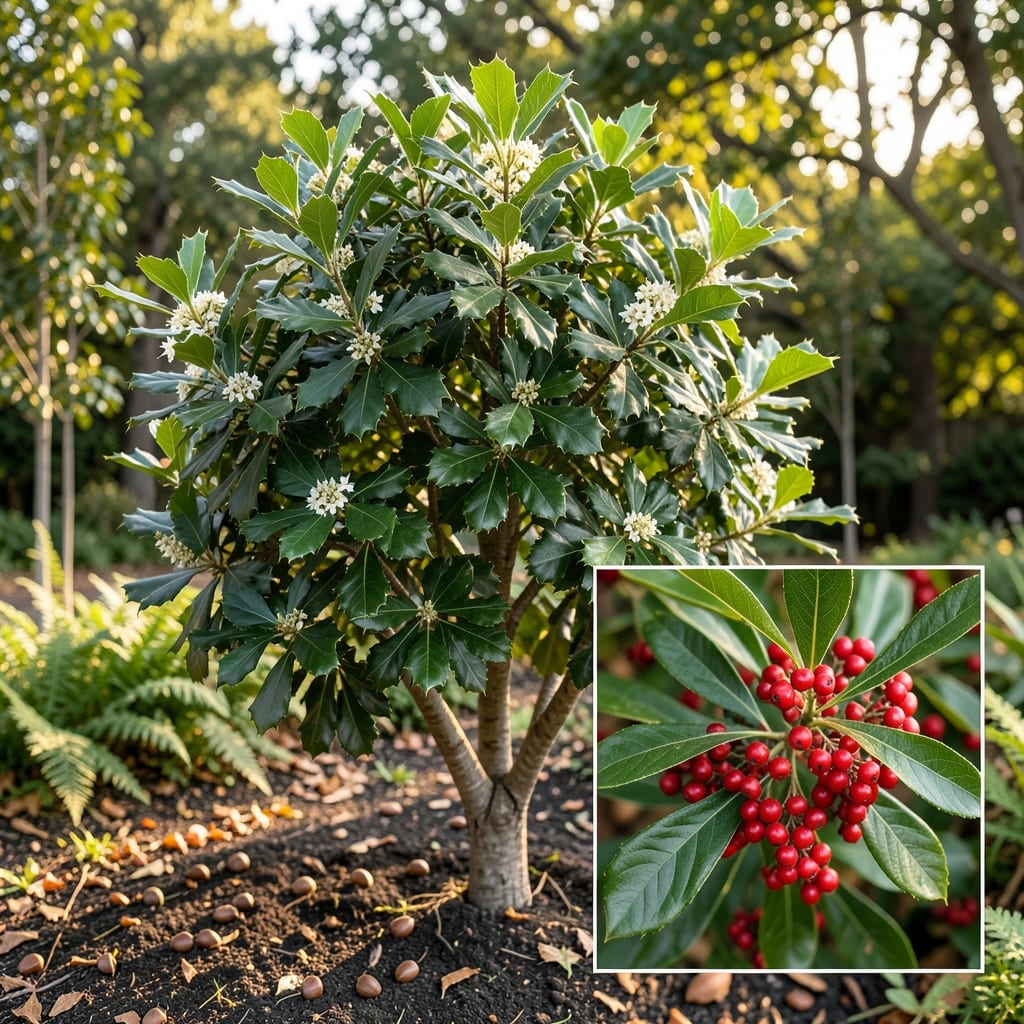
If you're asking "how tall can yaupon grow", the answer might surprise you—this native shrub 🌿 can range from a neatly trimmed hedge to a towering small tree, depending on where you live and how you care for it.
In its natural habitat, yaupon often reaches 10 to 25 feet tall, especially in the southeastern U.S. where it thrives without pruning. But with the right techniques, you can keep it at a more manageable 6 to 12 feet, perfect for hedges or privacy screens.
What makes yaupon so versatile? Its growth depends on factors like soil quality, sunlight, and even your pruning habits. Whether you want a low-maintenance landscape plant or a striking focal point, understanding these variables is key to getting the height you desire.
Let’s break down how to control yaupon’s growth, from regional variations to pruning tips that’ll keep it at your ideal size—no matter if you’re in USDA Zone 6a or further south.


Yaupon height by region: native growth ranges explained
If you’re planning to grow yaupon holly (Ilex vomitoria), its mature height can be as surprising as its evergreen foliage and red berries. Native to the southeastern U.S., this hardy shrub adapts dramatically depending on your climate zone and growing conditions. In coastal areas, yaupon often tops out at 10–15 feet, while inland or in warmer regions, it can reach 20–25 feet—essentially a small tree! Understanding these variations helps you choose the right variety for your landscape.
Wild yaupon plants tend to grow taller in unrestricted spaces like forests or meadows, where they stretch toward sunlight. Cultivated varieties, however, are often pruned for hedges or compact shapes, keeping them between 6–12 feet. The key factor? Latitude and rainfall—southern gardens with high humidity and well-draining soil support faster, taller growth, while drier western regions may see slower height increases.
Here’s how yaupon’s height varies across key U.S. regions, including wild vs. cultivated differences and how to adapt your expectations:
| Region | Wild Growth Height | Cultivated Height (Pruned) | Key Factors |
|---|---|---|---|
| Southeast U.S. (FL, GA, SC) | 15–25 ft | 6–12 ft | High humidity, rich soil, frequent rain |
| Coastal (TX, LA, AL) | 10–18 ft | 5–10 ft | Salt tolerance, sandy soil, pruning for wind resistance |
| Southwest (AZ, NM) | 8–15 ft | 4–8 ft | Drier climate, slower growth, needs irrigation |
| Mid-Atlantic (NC, VA) | 12–20 ft | 6–12 ft | Moderate rainfall, well-draining soil, cold winters |
Notice how coastal yaupon stays slightly shorter due to salt exposure and pruning for hedges, while inland varieties in the Deep South can become tree-like. If you’re in USDA Zones 7–10, expect faster growth—yaupon can add 1–2 feet per year in ideal conditions. For slower growth, limit fertilizer and water deeply but infrequently to encourage a stockier form.
One common misconception is that yaupon’s height is fixed, but pruning and soil quality play huge roles. For example, yaupon grown in clay-heavy soil may struggle to reach its full height, while sandy loam supports robust growth. If you’re planting near a fence or patio, opt for regular pruning in late winter to maintain a 6–8 foot hedge.
Yaupon’s adaptability makes it a favorite for privacy screens, wildlife habitats, and even tea gardens (its leaves are caffeine-rich!). Whether you want a tall specimen or a compact shrub, understanding your region’s growth patterns helps you plan for success. Next, we’ll cover how to control yaupon height with pruning—because even a 25-foot giant can be tamed with the right tools and timing!
🌿
How to control yaupon height: pruning tips for compact growth
If your yaupon is reaching for the sky faster than you’d like, don’t worry—this shrub responds beautifully to pruning. The key is timing and technique. Prune in late winter or early spring (just before new growth begins) to maintain shape and control height. For a 6–12 foot hedge, focus on trimming the top third of the plant each year. This encourages bushier growth while keeping it manageable.
For larger yaupon trees (15+ feet), use selective pruning to remove overgrown branches. Cut back to a bud or lateral branch—never leave a stub—to promote faster healing and better regrowth. Always sterilize your pruners with rubbing alcohol to prevent disease spread, especially if you’re working with multiple plants.
Here’s a quick step-by-step guide to keep your yaupon at your desired height:
Use a measuring tape or string to outline where you want the top of your yaupon to sit. Aim for 6–12 feet for hedges or 10–15 feet for a small tree.
Schedule pruning for late February to early April in most regions. Avoid pruning in summer or fall, as this can stimulate tender new growth that won’t survive frost.
Invest in bypass pruners for clean cuts and a pruning saw for thicker branches. Dull tools crush stems, making recovery slower.
Remove 1/3 of the plant’s height max per year to avoid shock. For example, if your yaupon is 15 feet tall and you want it at 10 feet, reduce it by 2 feet annually over three years.
Remove all pruned branches and debris from the base to reduce pests and disease. Dispose of diseased branches in a sealed bag, not in your compost pile.
Pro tip: If your yaupon is already too tall, don’t panic. You can top it dramatically in one season—just reduce height by up to 1/3 and monitor for new growth. Within a year, it’ll bounce back with a fuller shape. Just avoid heavy pruning in USDA Zone 6a or colder, where late frosts can damage fresh cuts.
For container-grown yaupon, prune more aggressively in early spring to encourage dense, compact growth. Since containers limit root spread, regular pruning helps balance the plant’s energy. Pair this with annual repotting (every 2–3 years) to refresh the soil and support controlled growth.
Remember, yaupon’s natural growth habit is upward, so pruning is non-negotiable if you want a tidy, manageable shrub. With patience and the right techniques, you’ll have a yaupon that fits your landscape perfectly—whether as a privacy screen, hedge, or small tree. Happy pruning! ✂️