
Size
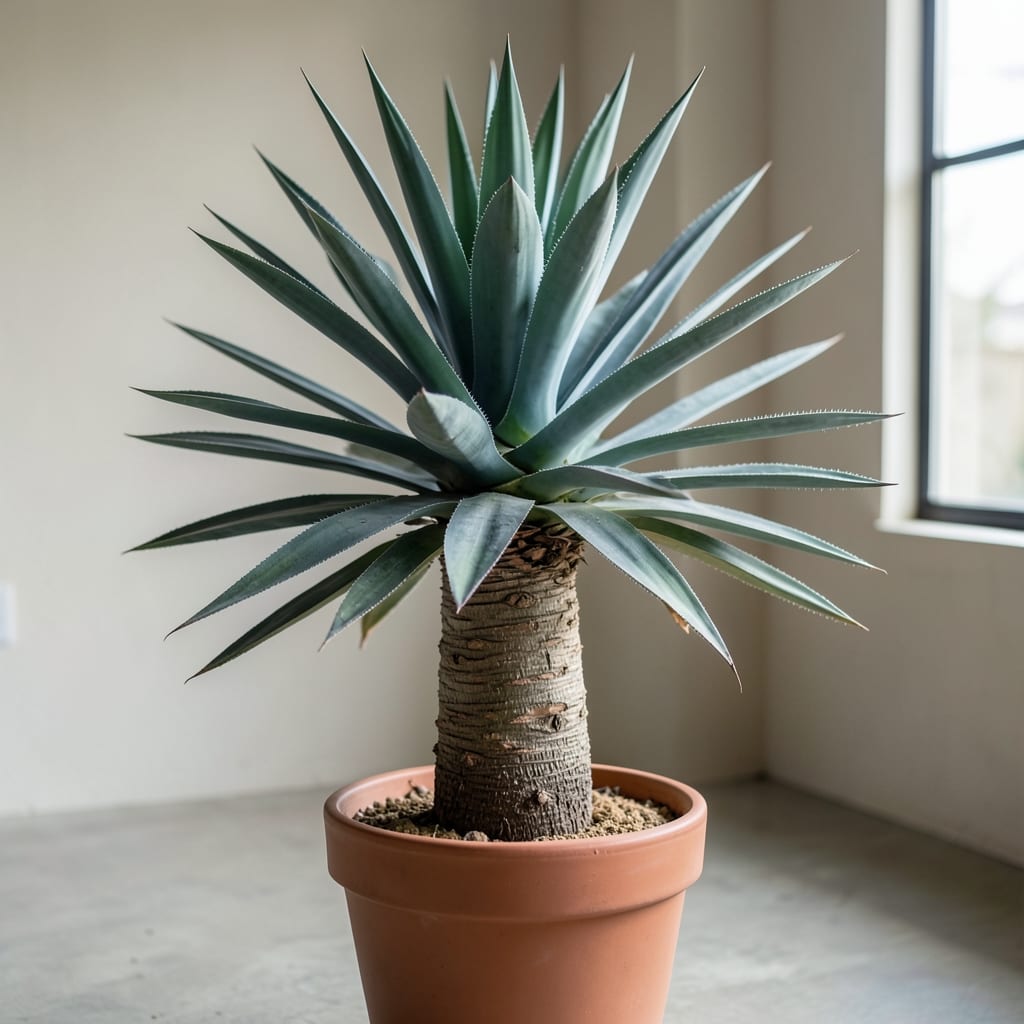
If you're wondering how tall can yucca plants grow, the answer might surprise you—these striking desert plants can stretch from compact shrubs to towering giants that dwarf even the tallest gardeners. Whether you're planning a dramatic focal point or a low-maintenance border, understanding their growth potential is key to making the right choice for your space.
Yucca plants like Yucca elephantipes can reach heights of 10-20 feet or more, while varieties such as Yucca filamentosa stay much shorter, typically between 3-6 feet. The difference comes down to species, climate, and growing conditions—so let’s break down what influences their height and how you can work with (or control) their growth.
Climate plays a huge role in how tall your yucca will grow. In warmer USDA Zone 6a and beyond, these plants thrive and can reach their full height faster. Meanwhile, cooler climates might slow their growth, keeping them more manageable. Sunlight and soil quality also make a difference—full sun and well-draining soil are non-negotiables for happy, healthy yuccas.
Ready to learn how to choose the perfect yucca for your garden? I’ll walk you through the fastest-growing varieties, tips for managing height in small spaces, and even how to prune for the look you want. Let’s get started!


Yucca plant height guide: from dwarf varieties to towering giants
Yucca plants are famous for their striking, architectural forms, but their height can vary dramatically depending on the species and growing conditions. If you're planning your garden layout, knowing these differences will help you choose the perfect yucca for your space. Some varieties stay compact, while others grow tall enough to rival small trees!
The tallest yucca species, like Yucca elephantipes (Spanish dagger), can reach heights of 10-20 feet or more, making them ideal for large landscapes or desert gardens. Meanwhile, Yucca filamentosa (Adam's needle) typically stays between 3-6 feet, perfect for borders or smaller yards.
Here’s a quick breakdown of yucca heights by category to help you visualize their mature sizes:
| Variety | Mature Height | Growth Rate | Best For |
|---|---|---|---|
| Yucca filamentosa | 3-6 ft | Moderate (3-5 years) | Borders, small gardens |
| Yucca rostrata | td style="padding: 10px; border-bottom: 1px solid #ddd;">6-10 ftSlow (5-7 years) | Statement plants, dry landscapes | |
| Yucca elephantipes | 10-20 ft | Fast (5-10 years) | Large gardens, focal points |
| Yucca gloriosa | 4-8 ft | Moderate (4-6 years) | Containers, patios |
Climate plays a huge role in how tall your yucca will grow. In warmer USDA zones (7-11), yuccas thrive and can reach their full height faster. For example, a Yucca elephantipes in Zone 9 might hit 15 feet in 10 years, while the same plant in Zone 6a might only reach 8-10 feet due to slower growth.
Sunlight and soil quality also impact height. Yuccas need full sun (6+ hours daily) and well-draining soil to grow tall and strong. Poor soil or shade can stunt their growth, keeping them shorter than expected. If you're in a cooler climate, consider planting in a south-facing spot to maximize sunlight exposure.
For gardeners with limited space, dwarf varieties like Yucca recurvifolia (spindle yucca) stay under 3 feet tall, making them perfect for containers or small patios. These varieties grow slowly, so they won’t outgrow their space quickly. If you love the look of yuccas but need something more manageable, these are excellent choices.
One common misconception is that all yuccas grow into towering giants. In reality, many varieties stay compact, and even the tallest species can be pruned to control their height. Whether you're aiming for a desert-inspired oasis or a low-maintenance border, there’s a yucca variety that fits your vision.
Next, I’ll share tips for managing yucca growth in small spaces, including pruning techniques and container gardening hacks to keep your plants at your desired height.
How to control yucca plant growth for small spaces and containers
If you love the bold, architectural look of yuccas but worry about them outgrowing your space, don’t fret—there are plenty of ways to control their height and keep them manageable. Whether you're working with a small patio, container garden, or tight urban yard, the right techniques can help you enjoy yuccas without the worry of them becoming unwieldy giants.
First, let’s address a common misconception: you can’t stunt yucca growth artificially like you can with some other plants. However, you can choose dwarf varieties, prune strategically, and use containers to keep their height in check. For example, Yucca recurvifolia (spindle yucca) naturally stays under 3 feet tall, making it ideal for containers or small borders.
Here’s a key takeaway to keep in mind: pruning is your best friend for managing yucca height. Unlike many plants, yuccas don’t grow back from old wood, so pruning should focus on removing dead or overgrown leaves rather than cutting back into old growth. Instead, aim to shape the plant by trimming new growth to encourage bushier, more compact forms.
🌱 Key Takeaway: Managing Yucca Height
- Choose dwarf varieties: Yucca recurvifolia (3 ft) or Yucca gloriosa (4-8 ft) for small spaces.
- Prune strategically: Trim new growth to encourage bushiness, not old wood.
- Use containers: Limit root growth with pots; repot every 2-3 years.
- Avoid overwatering: Too much water = faster (but weaker) growth.
Container gardening is another great way to control yucca height. Since yuccas have shallow root systems, they adapt well to pots, and their growth can be limited by the container’s size. Use a well-draining pot with at least 12-18 inches of depth and diameter to accommodate their roots without encouraging excessive height.
For those who love the look of taller yuccas but need to keep them in check, pruning at the right time is essential. The best time to prune is early spring, just as new growth begins. Use clean, sharp pruners to remove any dead or damaged leaves, and trim back any overly long stems to encourage a fuller, more compact shape. Avoid cutting into old wood, as yuccas won’t regrow from there—focus instead on shaping the current year’s growth.
One final tip: don’t overwater. Yuccas are drought-tolerant and thrive on neglect, so watering them too often can actually encourage faster (but weaker) growth. Stick to deep watering every 2-3 weeks during the growing season, and reduce even further in winter. This slows their growth naturally, keeping them more manageable in small spaces.
With these techniques, you can enjoy the striking beauty of yuccas—whether you’re working with a compact patio garden or a cozy container setup. Next, I’ll explore which yucca varieties grow the fastest, so you can plan for the dramatic vertical impact you’re after!