
How To
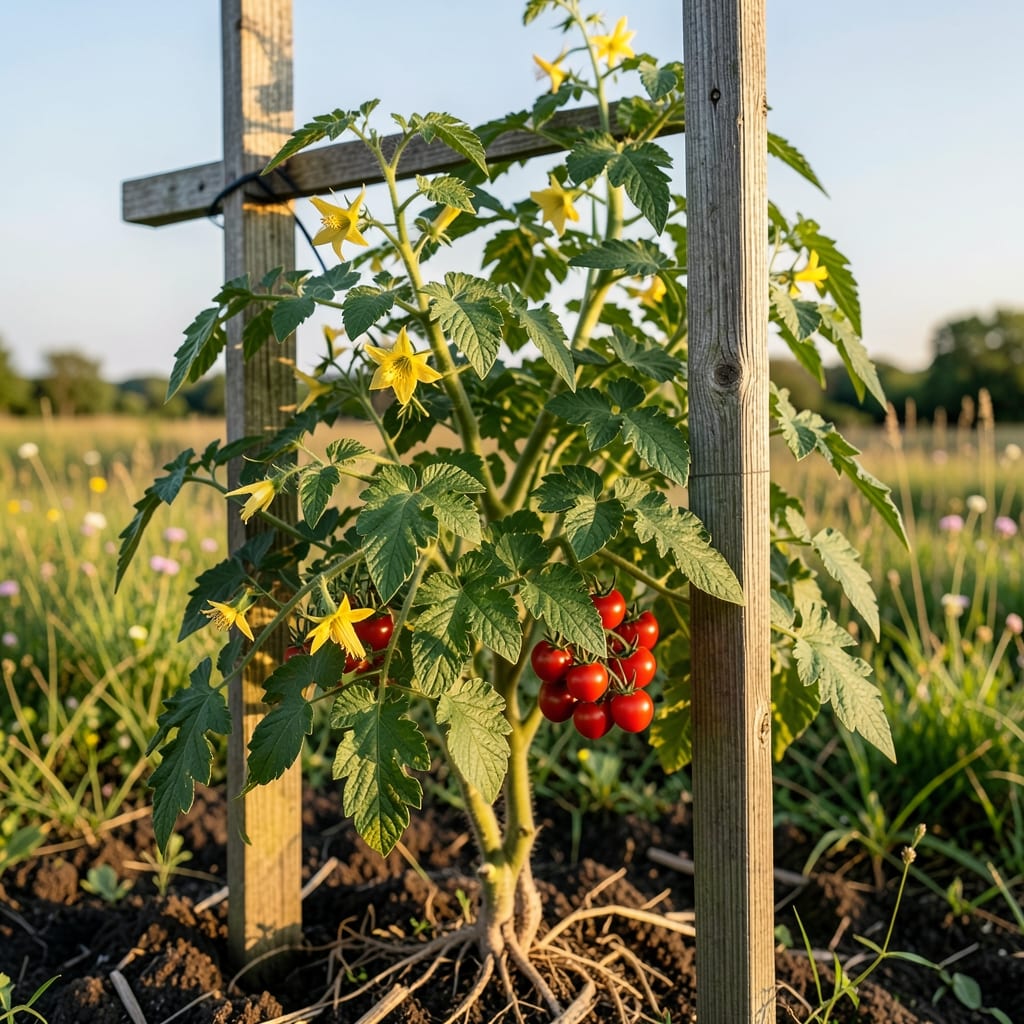
If you're planning your garden layout, knowing how tall cherry tomatoes grow could mean the difference between a thriving vine and a crowded, underperforming patch. These little 🍅 powerhouses come in two distinct varieties—compact bushes and sprawling vines—that change everything about how you space and support them.
The first decision you'll face is whether to grow indeterminate types that can climb 6 feet or taller or determinate varieties that stay neatly contained around 3 feet. This choice isn't just about height—it affects your harvest timing, pruning needs, and even how much fruit you'll get per plant. Popular varieties like 'Sweet 100' will reach for the sky, while 'Tiny Tim' stays humble and bushy.
What most gardeners don't realize is that proper spacing and support can turn a potential mess into an organized, high-yielding system. Whether you're working with limited patio space or a sprawling backyard, understanding these growth patterns helps you avoid common mistakes like overcrowding or under-supporting your plants.
In this guide, I'll break down the key differences between vining and bush types, show you how to plan your garden space effectively, and share my best tips for keeping your cherry tomatoes happy and productive—no matter how tall they grow.

Cherry tomato plant heights: vining vs bush varieties explained
When planning your garden, the first question I ask myself is: Are my cherry tomatoes going to sprawl like a vine or stay compact like a bush? This distinction determines everything from your garden layout to the support structures you'll need. Indeterminate varieties—the vining types—can reach 6 feet or taller if left unchecked, while determinate varieties stay neatly contained around 3 feet tall. The difference isn't just about height; it affects your harvest schedule, pruning needs, and even how much fruit you'll get per plant.
Let me break it down: indeterminate cherry tomatoes grow continuously throughout the season, producing fruit until the first frost. Varieties like 'Sweet 100' or 'Sun Gold' are classic examples. They need strong trellising or staking because their vines can stretch 8-10 feet in ideal conditions. On the other hand, determinate varieties like 'Tiny Tim' or 'Patio' produce fruit in one big flush before stopping. They top out around 2-3 feet and don't need much support beyond a cage or small stake.
The key difference lies in their growth habit. Indeterminate types grow like a perennial vine, while determinate types behave more like annual shrubs. This affects how you'll space them—indeterminate plants need 18-24 inches between plants and 3-4 feet between rows, while determinate varieties can be planted 12-18 inches apart in tighter grids. Understanding this helps you avoid overcrowding, which can lead to disease and reduced yields.
Here's where it gets interesting: even within these two categories, there's variation. Some indeterminate varieties like 'Super Sweet 100' stay more compact, while others like 'Black Cherry' can become aggressive vines. Determinate types also vary—'Tumbling Tom' is a bushy variety but produces trailing vines that work perfectly for container gardening. Choosing the right variety for your space is half the battle.
Visualizing these differences helps. Imagine your garden as a three-tier system: the ground level for determinate bushes, mid-height for semi-determinate varieties, and vertical space for indeterminate climbers. This layered approach maximizes your garden's vertical real estate while keeping everything accessible for harvesting and maintenance.
| Type | Height Range | Growth Habit | Support Needed | Harvest Window |
|---|---|---|---|---|
| Indeterminate | 4-10 ft | Vining, continuous | Trellis, stake, or cage | All season until frost |
| Determinate | 2-3 ft | Bushy, single flush | Cage or small stake | 2-3 weeks (one-time) |
| Semi-Determinate | 3-5 ft | Hybrid, multiple flushes | Moderate support | Extended season |
The support structure you choose makes a huge difference in how tall your cherry tomatoes grow. For indeterminate varieties, a strong trellis or cage isn't just helpful—it's essential. Without support, these vines can flop over, leading to rotting fruit or disease from poor air circulation. I've seen 'Sweet 100' plants reach 8 feet when given proper vertical support, but left to their own devices, they'll sprawl across your garden like an unruly vine.
Determinate varieties are more forgiving but still benefit from light support. A simple cage or stake keeps them upright and makes harvesting easier. The key is to avoid over-supporting determinate types, as they don't need the same level of climbing assistance. Too much support can actually weaken the plant's natural structure and reduce yields.
Another factor that influences height is your pruning approach. Indeterminate varieties need regular pruning to control their size and direct energy toward fruit production rather than excessive vine growth. I typically prune these plants every 2-3 weeks during the growing season, removing suckers (the small shoots that grow between the main stem and branches) and any yellowing leaves. This keeps the plant focused on producing high-quality fruit rather than endless vines.
For determinate varieties, pruning is less critical but still beneficial. Removing lower leaves improves air circulation and reduces the risk of soil-borne diseases. I also pinch off the first few flowers on determinate plants to encourage stronger stem development before the main fruit set. This small step can make a big difference in the size and health of your tomatoes.
If you're growing cherry tomatoes in containers, height becomes even more important. Indeterminate varieties need large pots (at least 5 gallons) and vertical support to thrive. Determinate types can do well in smaller containers (1-3 gallons), but they'll still need regular harvesting to encourage more production. The key is to match
Cherry tomato plant heights: vining vs bush varieties explained
When planning your garden, the first thing to understand is that cherry tomatoes fall into two distinct growth categories: indeterminate (vining) and determinate (bush). These categories determine not only how tall cherry tomatoes grow but also how they produce fruit and how much space they'll need. Indeterminate varieties keep growing and fruiting all season long, while determinate types produce fruit in one big flush before stopping.
Indeterminate varieties like 'Sweet 100' or 'Sun Gold' can climb 6 feet or taller if given proper support, while determinate types such as 'Tiny Tim' or 'Super Sweet 100' typically max out around 3 feet. This difference isn't just about height—it affects your garden layout, trellising needs, and even how much fruit you'll harvest per plant.
The key to managing indeterminate varieties is providing strong vertical support like trellises or cages, which helps direct their growth upward and prevents sprawling. Without support, these vines can sprawl across the ground, leading to poor air circulation and increased disease risk. Determinate types, on the other hand, are self-contained and rarely need staking, making them ideal for small spaces or container gardening.
| Variety Type | Height Range | Growth Habit | Support Needed | Fruiting Pattern |
|---|---|---|---|---|
| Indeterminate | 4-10+ ft | Vining, sprawling | Trellis, cage, or stakes | Continuous all season |
| Determinate | 2-4 ft | Bushy, compact | None or minimal | Single heavy flush |
Another factor that influences how tall cherry tomatoes grow is your pruning habits. Indeterminate varieties benefit from regular pruning to remove suckers (side shoots) and encourage stronger main stems. This practice not only controls height but also improves air flow, reducing the risk of disease. Determinate types, however, require little to no pruning and are best left to grow naturally.
If you're growing indeterminate varieties, consider using espalier training to keep them within a manageable height while maximizing your garden space. This technique involves training the vines to grow flat against a fence or wall, which can be especially useful in urban gardens where space is limited. For determinate types, focus on spacing plants 18-24 inches apart to allow for proper air circulation and easy harvesting.
Understanding these differences will help you choose the right varieties for your space and growing conditions. Whether you're dealing with 6-foot vines or 3-foot bushes, proper planning ensures a bountiful harvest without the headaches of overcrowding or poor support.