
Size
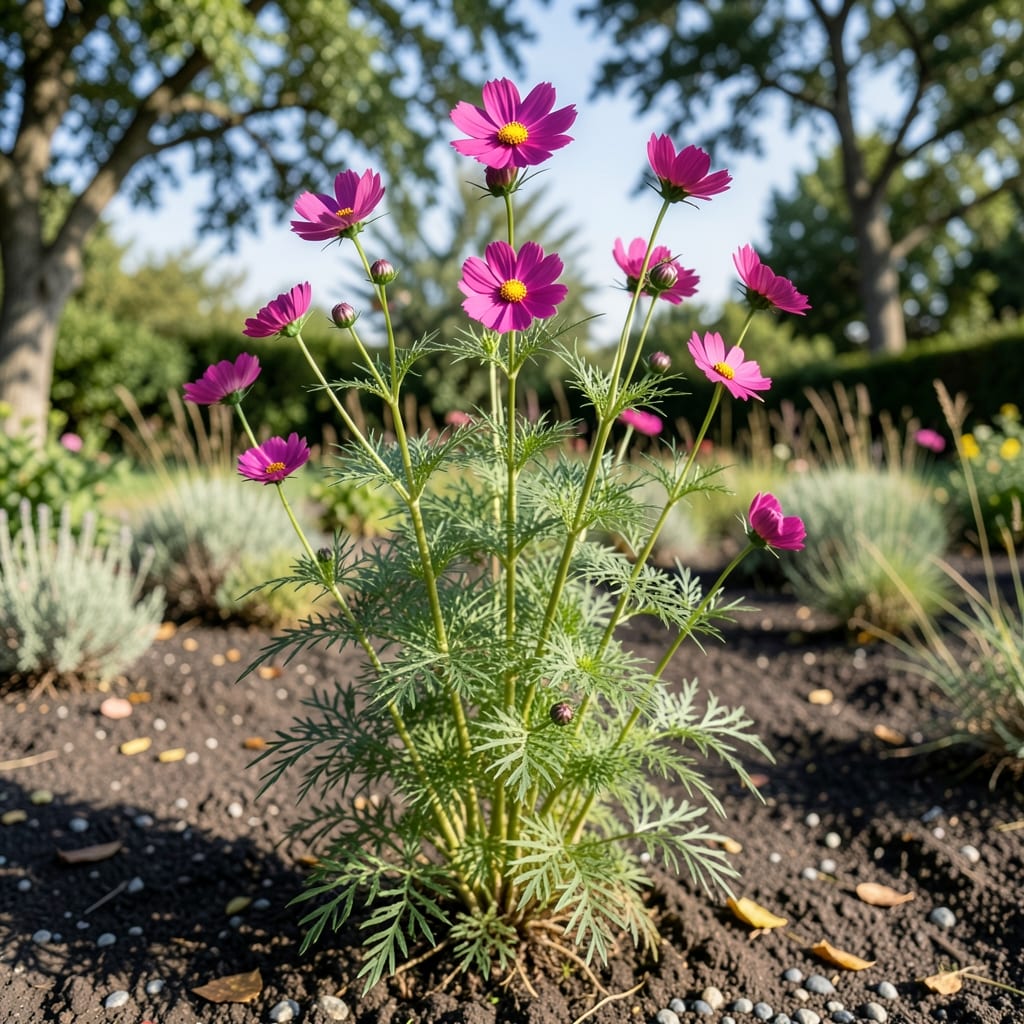
If you’ve ever wondered how tall cosmos grow in your garden, the answer might surprise you—these cheerful blooms can range from delicate 1-foot dwarfs to towering 6-foot giants, all with minimal fuss. The key? Choosing the right variety for your space and giving them the care they thrive on, like full sun and well-drained soil.
For home gardeners, understanding these height differences is a game-changer. A dwarf cosmos (like ‘Sensation’) fits perfectly in containers or borders, while tall cosmos (such as ‘Bright Lights’) create stunning vertical accents in the back of flower beds. Whether you’re designing a cottage garden or a modern urban plot, the right height ensures your cosmos steal the show without overwhelming your layout.
But here’s the best part: with a few simple pruning tricks, you can even control their height to match your vision. Deadheading spent blooms and pinching back leggy stems encourages bushier growth and more flowers—meaning you get both the height and the volume you want. Ready to turn your garden into a cosmos-filled paradise? Let’s dive into the varieties, pruning tips, and secrets to maximizing their beauty.
From spring planting in USDA Zone 6a to summer blooms that last until fall, cosmos are one of the easiest flowers to grow. Whether you’re a beginner or a seasoned gardener, these tips will help you grow cosmos that not only reach their full potential but also keep blooming all season long. Let’s get started!


Cosmos height by variety: dwarf to giant flowering plants
Cosmos flowers are famous for their effortless beauty, but their mature height can vary wildly depending on the variety you choose. Whether you're designing a small border garden or a tall floral backdrop, selecting the right cosmos type ensures your vision comes to life. Let’s explore the height ranges and characteristics of popular cosmos varieties to help you plan your dream garden layout.
Dwarf cosmos varieties like 'Sensation Mix' stay compact at just 12–24 inches tall, making them perfect for container gardens or front-of-border plantings. These petite powerhouses bloom prolifically and create a whimsical, fairy-like effect when grouped together. Meanwhile, standard cosmos like 'Bright Lights' or 'Double Click' can reach 3–5 feet, ideal for cut flower arrangements or backdrop planting.
For dramatic height, 'Cosmos bipinnatus' varieties like 'Seashells' or 'Purity' can soar to 5–6 feet, creating a stunning vertical focal point in your garden. These tall cosmos thrive in full sun and well-drained soil, which helps them reach their full mature height potential. Understanding these differences lets you strategically place cosmos to maximize their impact in your outdoor space.
🌼
When choosing cosmos varieties, consider not just their height potential but also their growth habits. Some varieties, like 'Sensation Mix', grow in clumping patterns, while others, such as 'Seashells', develop taller, more slender stems. This distinction affects how you’ll space plants in your garden. For example, tall cosmos need 18–24 inches of space between each plant to avoid overcrowding, whereas dwarf varieties can be planted 6–12 inches apart for a lush, dense look.
Another factor influencing cosmos height is pruning practices. Regularly pinching back young plants encourages bushier growth and can reduce height by up to 20%, making them more manageable in smaller spaces. Conversely, leaving cosmos unpruned allows them to reach their full mature height, which is ideal for creating natural screens or privacy barriers in your garden.
For gardeners in USDA Zone 6a or warmer, cosmos thrive with minimal fuss, but their height growth is most dramatic in full sun conditions. If you’re in a cooler climate or planting in partial shade, expect slightly shorter plants—though they’ll still produce an abundance of vibrant blooms. To maximize height, ensure your cosmos receive at least 6 hours of direct sunlight daily and plant them in well-draining soil to prevent leggy growth
How to prune cosmos for height control & longer blooming seasons
Pruning cosmos isn’t just about managing their height—it’s the secret to longer blooming seasons and fuller growth. Whether you’re growing dwarf cosmos in containers or tall varieties as backdrops, strategic pruning keeps them bushier and flower-packed. The best part? It takes just 10 minutes weekly to transform leggy stems into a lush, vibrant display. Let’s break down the step-by-step techniques to control height while maximizing blooms.
Start by understanding the two key pruning goals: height control and flower stimulation. For taller cosmos like 'Seashells', pinching back the top growth when plants reach 12–18 inches encourages side branches to form, reducing height by 20–30%. This is especially useful if you’re using cosmos as vertical accents in mixed borders. Meanwhile, for dwarf varieties, light pruning focuses on removing spent blooms to redirect energy into new flowers rather than seed production.
🌼
- 1 Pinch young stems when plants are 6–12 inches tall to encourage bushier growth. Use clean pruners or your fingers to remove the top set of leaves.
- 2 Deadhead spent blooms regularly to prevent seed formation, which diverts energy away from new flowers. Snip off wilting flowers at the base of the stem.
- 3 Trim leggy stems in late summer to renew growth. Cut back overly tall stems by one-third to promote compact, bushy regrowth.
- 4 Avoid heavy pruning in early spring or late fall, as cosmos are self-seeding annuals. Focus on light maintenance during dormant months.
Timing is everything when pruning cosmos. For height control, pinch back stems in early summer (June–July) when plants are actively growing. This stimulates branching and prevents tall, sparse stems. To extend the blooming season, deadhead flowers daily or every other day during peak bloom (July–August). This simple habit can double your flower production by encouraging the plant to focus on new blooms instead of seed heads.
If you’re growing cosmos for cut flowers, avoid heavy pruning—focus on selective deadheading to maintain stem strength. For landscape plantings, however, regular pruning keeps cosmos neat and manageable, especially in small gardens or container arrangements. Remember, cosmos are forgiving plants, so even if you skip a pruning session, they’ll still reward you with vibrant blooms.
Pro tip: Use sterilized pruners to avoid spreading disease, and always prune in the morning when plants are hydrated. This reduces stress and helps cosmos recover faster. With these techniques, you’ll enjoy taller, bushier cosmos that bloom nonstop from summer to frost—all with minimal effort. 🌿