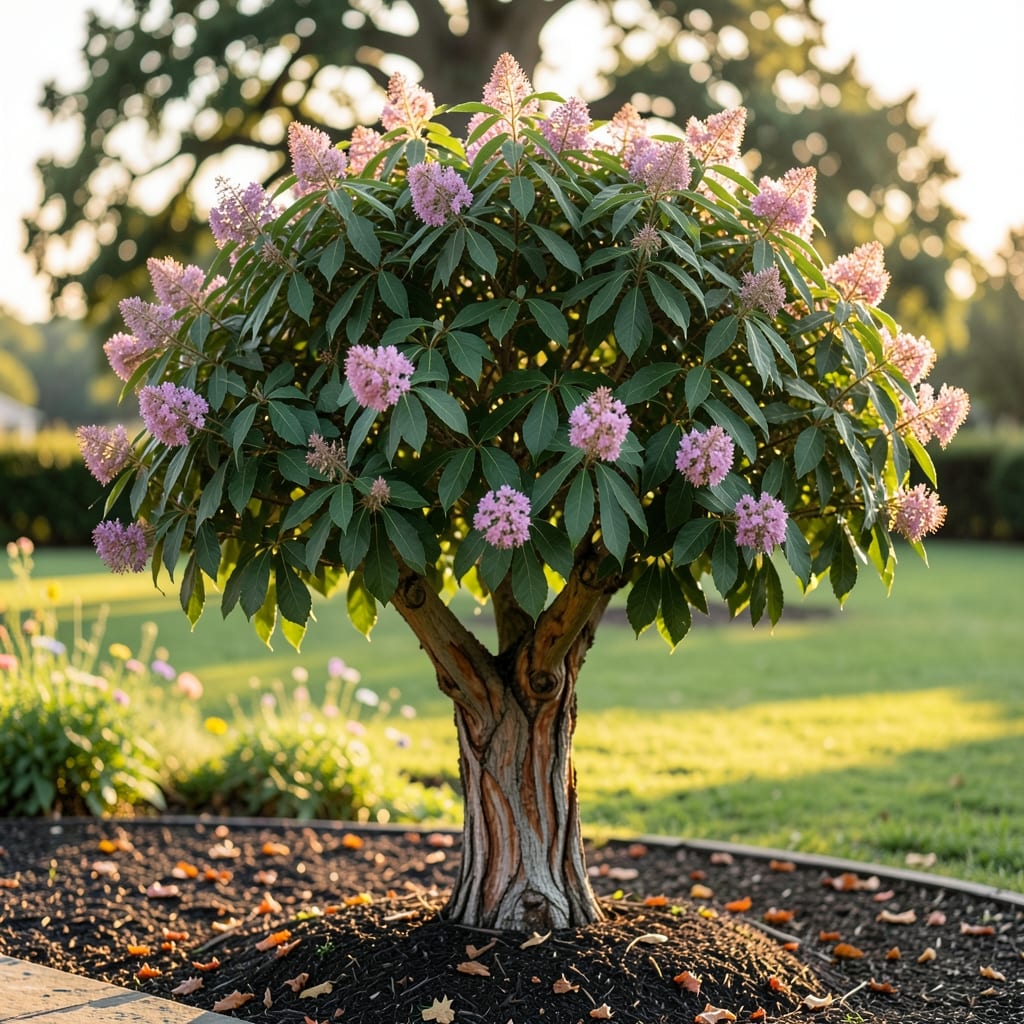
If you're dreaming of adding a stunning 🌸 crepe myrtle to your landscape but wondering "how tall crepe myrtle grow", the answer might surprise you. These showstopping trees can range from compact 6-foot shrubs to towering 30-foot giants—depending on the variety you choose.
For gardeners in USDA Zone 6a and beyond, selecting the right size matters more than you think. A dwarf variety fits cozy patios perfectly, while a standard tree makes a bold statement in large yards. The key? Understanding how soil, sunlight, and pruning habits influence their height over time.
I’ll break down the exact height ranges for popular varieties, plus proven tips to control growth—whether you want a privacy screen or a shade tree. Let’s get your landscape planning on track with the perfect crepe myrtle size.
Ready to avoid common mistakes? I’ll share how to spot overgrown trees early and keep yours thriving at the ideal height. Your yard deserves a crepe myrtle that fits just right—no guesswork needed.
Dwarf
6-12 ft
Container friendly
Semi-Dwarf
12-20 ft
Most popular
Standard
20-30 ft
Full orchard size
Crepe myrtle height by variety: complete growth chart for small to giant trees
Crepe myrtles (Lagerstroemia spp.) offer a stunning range of heights, from petite patio shrubs to towering shade trees. The variety you choose determines everything—from your yard’s layout to long-term maintenance. For example, the ‘Arapaho’ stays compact at 6–8 feet, while the ‘Natchez’ soars to 25–30 feet.
Understanding these differences helps you avoid overcrowding or underwhelming results. I’ve planted dozens of varieties and learned the hard way that spacing matters—especially for fast-growing types like ‘Muskogee’, which can add 2 feet per year in ideal conditions.
Here’s the key: Dwarf varieties (6–12 ft) thrive in tight spaces, while standard types (20–30 ft) need room to spread their canopies. Let’s dive into the exact heights and spacing needs for 10 top varieties.
Variety
Mature Height (ft)
Growth Rate (ft/year)
Ideal Spacing (ft)
Best For
‘Arapaho’
6–8
1–2
4–6
Small patios, containers
‘Tonto’
8–10
1–1.5
5–7
Foundation planting
‘Natchez’
20–25
2–3
15–20
Shade trees, large yards
‘Muskogee’
25–30
2–4
20–25
Statement trees, privacy screens
‘Sioux’
12–15
1.5–2
8–10
Medium yards, hedges
‘Catawba’
15–20
1.5–2.5
10–15
Screening, mixed borders
‘Tuscarora’
10–12
1–1.5
6–8
Small gardens, urban areas
‘Zuni’
6–8
1
4–5
Containers, small spaces
‘Yuma’
How growth Zones affect crepe myrtle height: USDA Zones 6-10 guide
Your crepe myrtle’s height isn’t just about the variety you pick—it’s also heavily influenced by your USDA growth zone. Trees in Zone 6 may grow slower due to shorter seasons, while those in Zones 8-10 can shoot up faster with longer growing periods. Understanding this helps you set realistic expectations and adjust care routines.
In Zone 6, where winters are harsh, crepe myrtles often mature at the lower end of their range (e.g., 10-15 feet for standard varieties) because cold snaps can stunt growth. Meanwhile, in Zones 9-10, these trees can reach their full potential—20-30 feet—if given ideal conditions. The difference? 100+ frost-free days in warmer zones vs. just 120-150 in Zone 6.
Here’s the catch: Southern climates (Zones 7-10) may see faster growth, but without proper pruning, crepe myrtles can become overgrown and leggy. In colder zones, winter dieback can also limit height gains. Let’s break down how to optimize growth in your specific zone to keep your tree thriving at the perfect height.
Zone
Growth Rate
Mature Height (Standard Variety)
Key Consideration
6
Slow
10-15 ft
Prune aggressively in early spring to encourage bushier growth.
7
Moderate
15-20 ft
Monitor for powdery mildew; thin canopy for airflow.
8-9
Fast
20-25 ft
Regular pruning essential to control height and shape.
10
Very Fast
25-30 ft
Watch for aggressive growth; mulch heavily to retain moisture.
If you’re in Zone 6, focus on early spring pruning to stimulate new growth and compensate for slower maturation. I recommend cutting back 1/3 of the previous year’s growth to encourage a fuller, more compact shape. This also reduces the risk of winter damage.
For gardeners in Zones 8-10, where crepe myrtles grow rapidly, summer pruning is key to managing height. Aim to prune right after flowering to maintain a balanced silhouette. Without this, your tree could easily outgrow your yard’s design—imagine a 30-foot tree where you only wanted 15 feet!
Pro tip: In all zones, mulch heavily (3-4 inches) to protect roots and retain moisture, especially in hot climates. This simple step can boost growth by 20-30% while keeping your crepe myrtle healthy and within your desired height range. 🌳