
How To
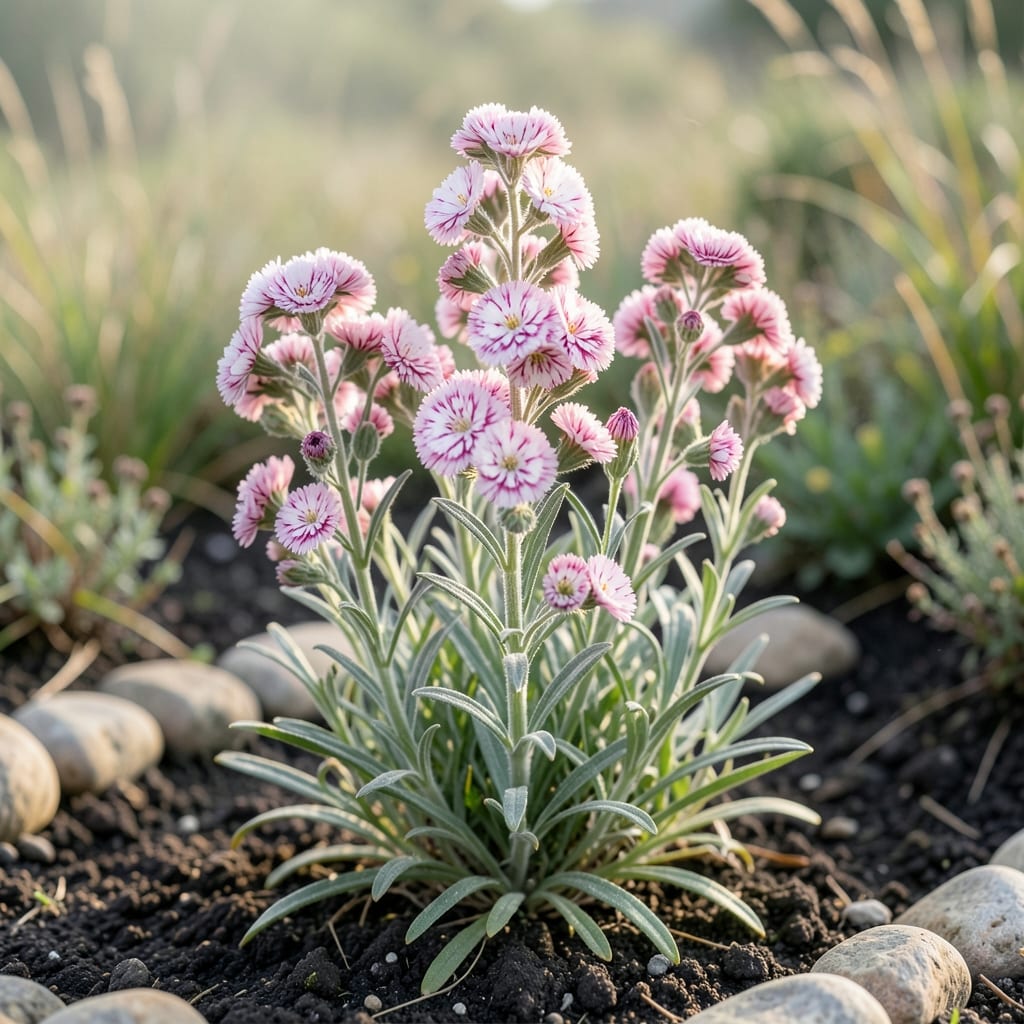
If you’re planning your garden beds and wondering how tall dianthus grow, you’ll be surprised by their range—from tiny 4-inch mounds to 2-foot showstoppers. These 🌸 dianthus varieties aren’t just pretty; their height can completely transform your garden’s layout, whether you’re aiming for neat borders or dramatic accents.
The key to getting the right height lies in choosing the right variety for your space. Some, like the compact ‘Firewitch,’ stay low and tidy, perfect for edging walkways, while others, like ‘Fireworks,’ shoot up like little candelabras, ideal for adding vertical interest. But here’s the catch: sunlight, soil, and even pruning habits can push them taller—or keep them in check.
In this guide, I’ll break down the exact height ranges for popular dianthus types and share my top tips for controlling their growth. Whether you’re dealing with leggy stems or wish your plants were just a little taller, you’ll learn how to coax them into the perfect size for your garden vision.
Ready to stop guessing and start designing with confidence? Let’s dive into the heights, care tricks, and companion plants that’ll make your dianthus thrive—exactly how you want them.


Dianthus height by variety: compact vs. tall cultivars explained
Dianthus plants offer a stunning range of heights, from tiny 4-inch ground covers to 24-inch border stars. The variety you choose determines not just height but also growth habit—whether your plants will stay clumping, spreading, or grow upright like little bushes. Understanding these differences helps you plan perfect garden layouts where each cultivar thrives without crowding neighbors.
For example, 'Firewitch' dianthus stays just 6 inches tall—ideal for edging pathways—while 'Fireworks' reaches 24 inches, perfect for mid-border drama. Even within the same species, annual varieties often grow taller than perennial types, which focus energy on spreading instead. Let’s explore the exact heights of popular cultivars and how to space them for maximum impact.
🌸 Pro Tip: Always check the cultivar tag when buying plants—heights can vary even within the same species! For instance, 'Fire Chief' stays at 12 inches while 'Fire Princess' hits 18 inches, both labeled as "Fire Series."
| Variety | Height Range | Growth Habit | Ideal Spacing |
|---|---|---|---|
| 'Firewitch' | 6 inches | Compact clumps | 8-10 inches apart |
| 'Fire Chief' | 12 inches | Upright bush | 12-14 inches apart |
| 'Fire Princess' | 18 inches | Tall clumps | 14-16 inches apart |
| 'Fireworks' | 24 inches | Spreading mounds | 18-20 inches apart |
| 'Matrona' | 4-6 inches | Low spreading | 6-8 inches apart |
| 'Giant Hybrid' | 18-24 inches | Tall stems | 16-18 inches apart |
| 'Pink Skyrocket' | 20-24 inches | Spreading upright | 18-20 inches apart |
🌱 Note: Heights listed are mature sizes after 1-2 growing seasons.
When planning your garden, consider how sunlight exposure affects height. Dianthus grown in full sun (6+ hours daily) typically reaches its maximum height, while those in partial shade may stay shorter but produce fewer blooms. For example, 'Fire Princess' might only hit 15 inches in partial shade instead of its full 18 inches.
Soil drainage also plays a role—well-draining soil encourages stronger stems and fuller growth, while heavy clay can stunt height and cause plants to flop. Amend your soil with compost or sand if your garden tends toward compacted earth. This simple step can make the difference between a 6-inch dianthus and one that reaches 12 inches.
For container gardening, choose dwarf varieties like 'Matrona' (4-6 inches) to avoid overcrowding. In pots, dianthus often stays 20-30% shorter than their in-ground counterparts due to root restriction. Use containers with at least 6-inch depth and ensure drainage holes are present to prevent root rot.
If you love fragrant dianthus, prioritize 'Giant Hybrid' or 'Pink Skyrocket'—these taller varieties often have the strongest scents. Place them near seating areas or pathways where you can enjoy their clove-like aroma up close. Just be mindful of their 20-24 inch height when positioning!
🌿 Design Tip: Pair tall dianthus (18+ inches) with medium-height perennials like catmint (24-36 inches) to create layered borders. Use low-growing varieties (6-12 inches) as edging or in rock gardens for clean lines.
How to control dianthus height: pruning & care tips for bushier growth
If your dianthus is growing taller than you’d like—or worse, flopping over—don’t panic! With the right pruning techniques and care adjustments, you can easily coax them into a compact, bushy shape. The secret lies in understanding when and how to trim, plus tweaking their growing conditions to encourage shorter, stockier stems.
Start with deadheading, the simplest way to control height. Snip off spent blooms just above the first set of healthy leaves to redirect energy into new growth rather than seed production. This keeps plants 6-12 inches shorter than they’d grow naturally. For example, a 'Fire Princess' (normally 18 inches) might stay at 14 inches with regular deadheading.
🌱 Pro Tip: Use clean, sharp pruning shears and trim at a 45-degree angle to prevent water from pooling on cuts, which can cause rot. Always prune in the morning so wounds have time to dry before evening moisture sets in.
⚠️ Warning: Avoid These Height-Killing Mistakes
- Over-fertilizing with nitrogen leads to leafy, leggy growth instead of compact blooms.
- Planting in shady spots causes stems to stretch toward light, making dianthus 20-30% taller.
- Skipping pinch-back pruning in early spring lets plants grow too tall too fast.
- Using heavy clay soil without amendments weakens stems, causing flopping.
🌿 Fix: Switch to a balanced 10-10-10 fertilizer and amend soil with compost or perlite.
For leggy stems, try pinch-back pruning in early spring. Simply pinch off the top 2-3 inches of new growth when plants are 6-8 inches tall. This forces the plant to branch out, creating a fuller, shorter bush. Repeat every 4-6 weeks during the growing season to maintain compactness.
Light conditions play a huge role in height control. Dianthus grown in partial shade (4-6 hours of sun) will naturally stay 20-30% shorter than those in full sun. However, they’ll also produce fewer blooms, so balance is key. If your garden has hot afternoon sun, provide afternoon shade with a lightweight shade cloth (30-50% coverage) to prevent height spikes.
Soil drainage is another game-changer. Dianthus hate soggy roots, which can cause stems to weaken and flop. Amend heavy soil with sand or grit to improve drainage, and always plant in well-draining beds. A simple soil test can reveal if your garden needs amendments—aim for a pH between 6.0-7.0 for optimal growth.
💡 Bonus Tip: For container-grown dianthus, choose dwarf varieties like 'Matrona' (4-6 inches) and use smaller pots (6-8 inches deep) to restrict root growth. Root-bound plants naturally stay shorter and bushier than those in large containers.