
Size
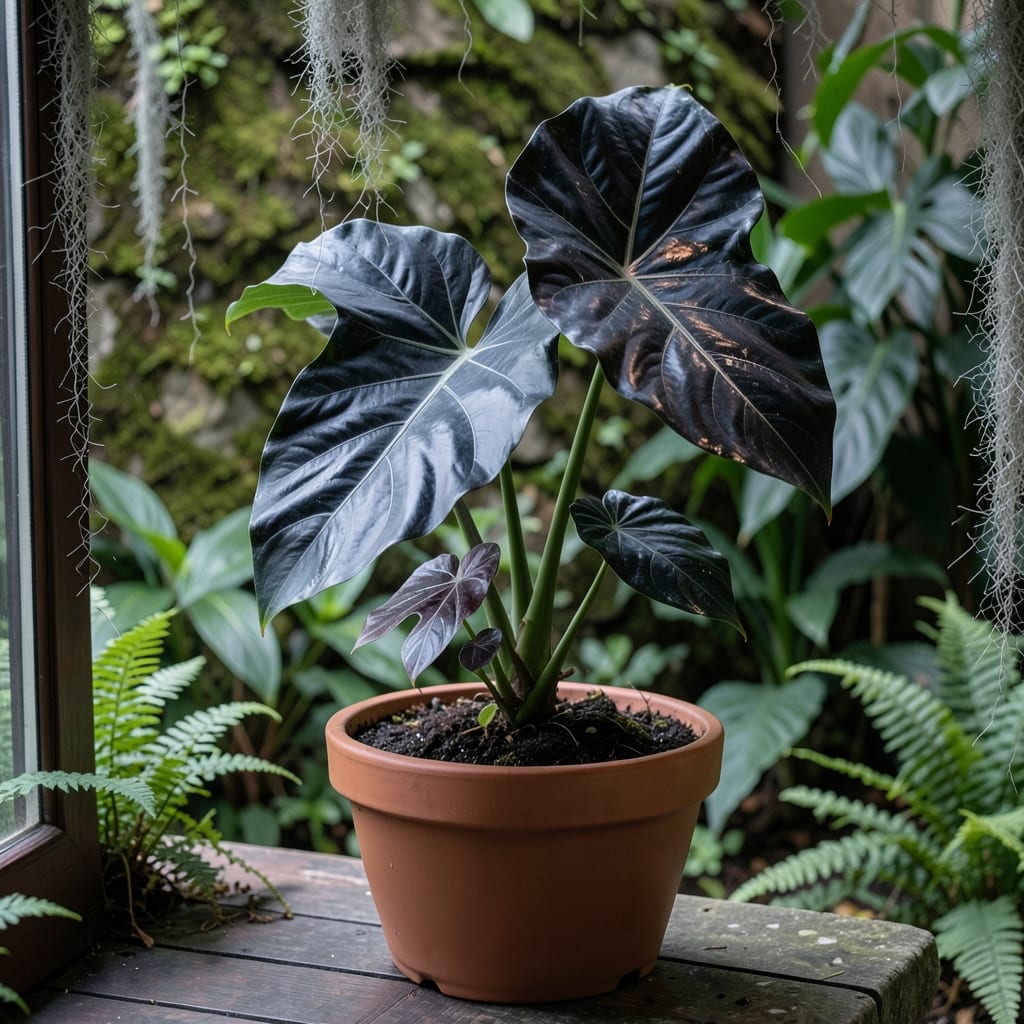
If you're wondering how tall do Alocasia grow, the answer might surprise you—these tropical beauties can stretch from a modest 1-foot tabletop plant to a dramatic 5-foot statement piece, depending on the variety. Whether you're planning a cozy indoor jungle or a lush outdoor garden, knowing their growth potential helps you choose the perfect spot and care routine.
The key to managing Alocasia height lies in the species—some, like the compact Alocasia polly, stay petite, while others, such as Alocasia zebrina, reach towering heights. I’ll break down the differences so you can pick the right plant for your space and avoid common mistakes that stunt growth.
Growing conditions play a huge role too—light, humidity, and even pot size can influence how fast and tall your Alocasia becomes. With the right setup, you can encourage healthy growth or keep it contained, whether you're working with a dwarf variety or a full-sized tropical giant.
Ready to transform your space with these stunning plants? Let’s dive into the specifics so you can give your Alocasia the ideal environment to thrive—no matter how tall you want it to grow.


Alocasia height guide: variety-specific growth ranges & mature sizes
Alocasia plants are famous for their striking foliage, but their height range varies dramatically between species. Some stay small enough for a windowsill garden, while others become towering outdoor statement plants. The key to choosing the right variety lies in understanding their mature sizes and growth habits.
If you're working with limited space, dwarf varieties like Alocasia polly (also called "Elephant Ear") are perfect—they typically reach just 1 to 2 feet tall but spread wider, making them ideal for shelves or tables. Meanwhile, larger species like Alocasia zebrina can soar to 5 feet or more with the right care.
Here’s a quick breakdown of how different Alocasia varieties compare in height and growth potential:
Your choice of Alocasia variety will dictate not only how tall the plant grows but also how quickly it reaches maturity. For example, Alocasia zebrina can add 1 foot per year under optimal conditions, while Alocasia polly grows more slowly, taking 2–3 years to reach its full height.
For indoor cultivation, smaller varieties like Alocasia polly or Alocasia reginula thrive in 10–12 inch pots and don’t require much vertical space. Larger species, however, need outdoor planting or oversized containers (18+ inches in diameter) to support their height and prevent toppling.
Light exposure also plays a role in height control. While all Alocasia prefer bright, indirect light, too much direct sun can cause leaf scorch and stunted growth, while low light slows height progression. Balancing these factors ensures your plant grows to its full potential without becoming leggy or weak.
If you're planning to grow Alocasia outdoors in USDA Zone 6a or warmer, larger varieties like Alocasia macrorrhizos can become perennial giants, adding dramatic vertical interest to your garden. Just be prepared for their spreading rhizomes, which can multiply quickly in ideal conditions.
For those with limited space, consider pruning techniques to manage height—even larger varieties can be kept in check with regular trimming. I’ll cover these strategies in detail in the next section, so you can tailor your Alocasia’s growth to fit your space perfectly.
🌿
Alocasia height guide: variety-specific growth ranges & mature sizes
When you bring home an Alocasia, its final height can vary dramatically based on the variety. Some stay small enough for a windowsill, while others become floor-filling giants. Understanding these differences helps you choose the right plant for your space and set realistic expectations for growth.
For example, the beloved Alocasia polly (also called "Elephant Ear") typically matures between 2 to 3 feet tall, making it perfect for indoor tables or small shelves. Its broad, glossy leaves create a tropical vibe without overwhelming a room. Meanwhile, varieties like Alocasia zebrina or Alocasia sanderiana can soar to 4 to 5 feet, turning them into statement plants for larger spaces.
| Variety | Mature Height | Growth Rate | Best For |
|---|---|---|---|
| Alocasia polly | 2–3 ft | Slow to moderate | Indoor tables, shelves |
| Alocasia zebrina | 4–5 ft | Moderate to fast | Large rooms, outdoor gardens |
| Alocasia sanderiana | 3–4 ft | Moderate | Indoor corners, conservatories |
| Alocasia reginula | 1–2 ft | Slow | Terrariums, small pots |
| Alocasia macrorrhizos | 5+ ft (outdoor) | Fast | Outdoor gardens, tropical climates |
If you're growing Alocasia outdoors in USDA Zone 9 or higher, varieties like Alocasia macrorrhizos can reach 5 feet or taller, especially in humid, shaded conditions. These giants thrive in ground plantings but need ample space to spread their rhizomes. For indoor growers, container size matters—larger pots encourage taller growth, while smaller pots keep plants compact.
Growth rates also depend on light exposure and humidity levels. In low-light conditions, Alocasia may grow slower and stay shorter, while bright indirect light fuels faster, taller growth. If you notice your plant stretching toward a light source, it’s a sign it needs more luminescent exposure—but avoid direct sun, which can scorch those delicate leaves.
For dwarf varieties like Alocasia reginula, you can expect a 1- to 2-foot mature height, making them ideal for small spaces or terrariums. These plants grow at a slower pace, so patience is key if you're waiting for them to reach their full size. On the other hand, Alocasia zebrina can add a foot or more per year under optimal conditions, making it a fast-growing choice for bold decor.
No matter the variety, always check the care label or breeder notes for specific growth expectations—some hybrids or rare cultivars may exceed typical height ranges. With the right space planning and care routine, your Alocasia will thrive and reach its full tropical potential.