
Flowers
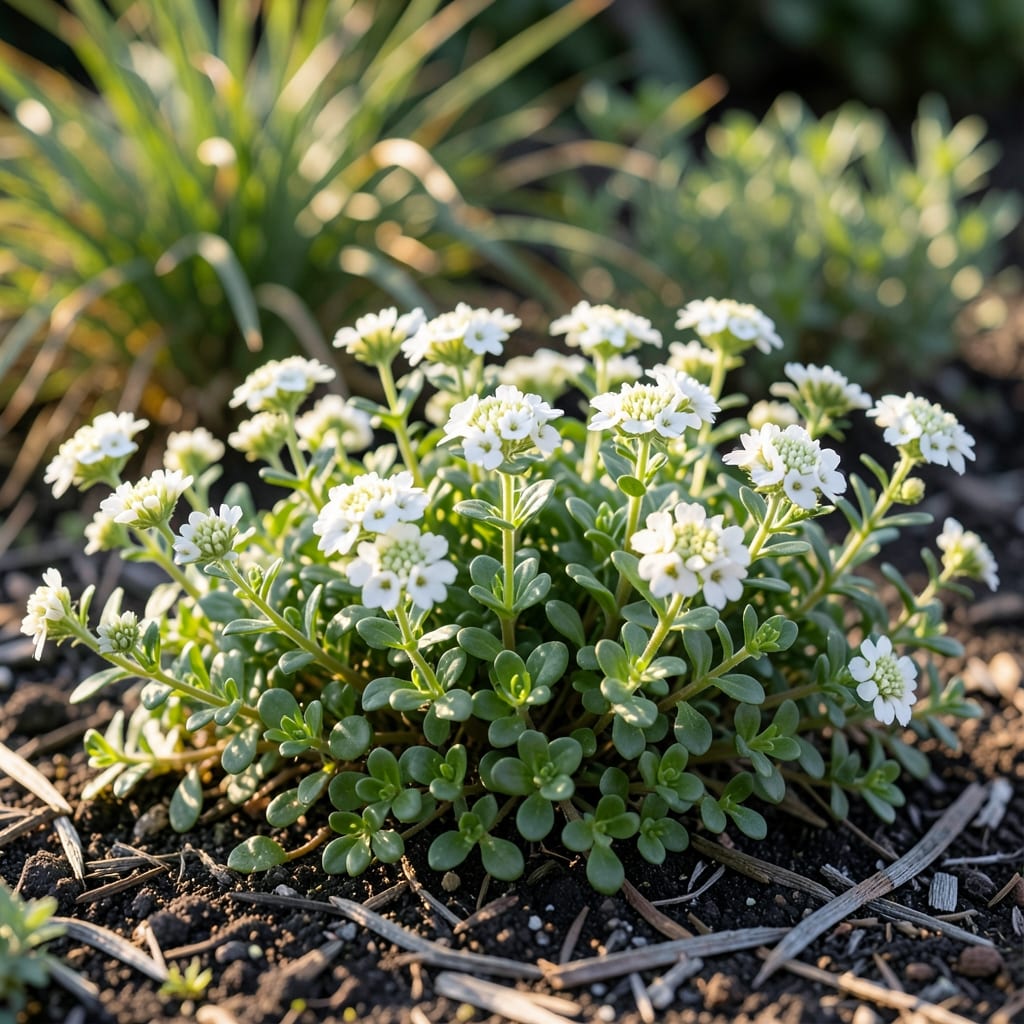
If you're planning a fragrant, low-maintenance garden border or container display, you might be wondering how tall do alyssum grow—because these tiny bloomers pack a big punch without taking up much space. 🌸 With heights ranging from just 2 inches to a modest 6 inches, alyssum thrives as a versatile ground cover or cascading accent, making it perfect for small spaces.
The secret to controlling its height lies in choosing the right variety and giving it the care it needs. Some types, like 'Sweet Alice,' stay compact, while others spread wider—so knowing your options is key. Whether you're filling window boxes or edging pathways, understanding alyssum's growth habits helps you create the exact look you want.
Beyond picking the right type, simple techniques like pruning and proper sunlight exposure can keep your alyssum at your desired height. Too much fertilizer or shade might encourage leggy growth, but with the right approach, you'll get that lush, neat appearance that makes alyssum so popular.
Ready to transform your garden with these charming blooms? Let's dive into the varieties, care tips, and design ideas that will help you get the most out of your alyssum—no matter how tall (or short) you want it to grow.

Alyssum growth height by variety: from dwarf to sprawling types
Alyssum’s height range is one of its most charming features, offering options for every garden style—whether you need a neat edging plant or a trailing cascade. Most varieties top out between 3 to 6 inches, but some dwarf types stay under 2 inches, making them perfect for fairy gardens or window boxes. The key difference lies in the species and variety you choose.
For example, Alyssum maritimum (commonly called sweet alyssum) typically grows 4 to 6 inches tall with a mounding habit, while trailing varieties like Alyssum ‘Easter Bonnet’ can spread 8 to 12 inches wide but stay low to the ground. Understanding these differences helps you plan spacing and companion plants effectively.
Here’s a quick breakdown of how height varies by growth habit:
If you’re growing alyssum in containers or hanging baskets, prioritize trailing or dwarf varieties like ‘Tiny Tuffet’ or ‘Easter Bonnet’. These stay low while creating a lush, cascading effect that’s perfect for vertical gardens. For ground cover, mounding types like ‘Snowdrift’ spread beautifully between stepping stones or along garden borders.
One common misconception is that all alyssum stays under 6 inches. While most do, Mountain Pink (A. saxatile) can reach 12 inches and thrives in rock gardens or slopes. This variety also has silvery foliage and pink flowers, making it a standout for textural contrast in sunny areas.
To maximize your alyssum’s height potential, pay attention to light exposure and soil drainage. Full sun (6+ hours daily) encourages bushier growth, while well-draining soil prevents legginess. Overcrowding or poor drainage can stunt growth, so always plant in sandy or loamy soil with added compost.
For season-long blooms, deadhead spent flowers regularly. This encourages new growth and prevents the plant from bolting or stretching too tall. In my own garden, I’ve found that pinching back leggy stems in early spring keeps Sweet Alyssum compact and floriferous all season.
If you’re comparing alyssum to other low-growing flowers, it holds its own against creeping thyme (1–2 inches) and ajuga (6–9 inches). However, alyssum’s fragrant blooms and self-cleaning habit (it drops old flowers naturally) give it an edge for low-maintenance gardens.
Pro tip: Mix tall and short alyssum varieties in the same container for a dynamic layered look. For example, pair ‘Tiny Tuffet’ (under 2 inches) with ‘Easter Bonnet’ (3–5 inches) to create a staggered, textured display that draws the eye downward.
How to control alyssum height: pruning, pinching, and support tips
Keeping your alyssum at the perfect height—whether that’s a neat 3-inch mound or a controlled cascade—boils down to a few simple techniques. The most effective way to manage height is through regular pinching and pruning, which encourage bushier growth and prevent legginess. I’ve found that starting this process early in the season makes all the difference.
For mounding varieties like Sweet Alyssum, pinch back the tips of leggy stems when they reach about 3 inches tall. This triggers branching, creating a fuller, more compact plant. Repeat this every 4–6 weeks to maintain shape and promote continuous blooming. Trailing types, like ‘Easter Bonnet’, benefit from the same approach but may need occasional trimming of overlong stems to keep them from sprawling too widely.
- Pinch Early: Snip the top 1/3 of stems when plants are 3–4 inches tall to encourage branching. Do this in spring and again in early summer.
- Deadhead Regularly: Remove spent flowers to redirect energy to new blooms. This prevents the plant from bolting or stretching too tall.
- Use Support for Trailing Types: For varieties like ‘Easter Bonnet’, add a small trellis or wire basket to guide stems downward without sacrificing height control.
- Avoid Over-Fertilizing: Too much nitrogen leads to leafy, leggy growth. Use a balanced 5-10-10 fertilizer lightly, or skip it entirely for compact varieties.
- Prune for Shape: Trim uneven stems in late summer to maintain a neat, rounded form. This also removes woody or overgrown stems.
Seasonal timing plays a crucial role in height control. In spring, focus on pinching and shaping to set the stage for summer blooms. By mid-summer, alyssum may need a light trim to remove any overlong or woody stems. In fall, reduce pruning unless you’re prepping for winter containers, where a clean-up trim keeps plants tidy.
One of the biggest mistakes I’ve seen is waiting too long to prune. If you let alyssum grow too tall or leggy, it can become woody and less productive. The key is to stay proactive: a little maintenance now saves hours of cleanup later. For container-grown alyssum, I recommend trimming every 3–4 weeks to prevent stems from becoming overcrowded or tangled.
If you’re growing alyssum in hanging baskets, consider adding a small wire frame to support trailing stems. This keeps the plant from spilling over too much while still allowing that lush, cascading effect. For ground cover, mulch around the base to suppress weeds and keep the plant’s focus on horizontal growth rather than vertical.
Remember, alyssum is a self-cleaning plant, meaning it naturally drops old flowers. However, if you notice bare stems or sparse blooms, it’s a sign to prune lightly and check for adequate sunlight. In my experience, 6+ hours of full sun is non-negotiable for compact, bushy growth. If your alyssum starts stretching toward the light, it’s time to relocate or provide support.
For a neat, professional look, I swear by the “thirds rule”: trim stems back to just above a set of leaves (about 1/3 of the stem length). This ensures the plant regrows stronger and bushier rather than leggy. With these tips, your alyssum will stay exactly the height you want, whether that’s a tiny 2-inch mound or a controlled 6-inch cascade.