
Size
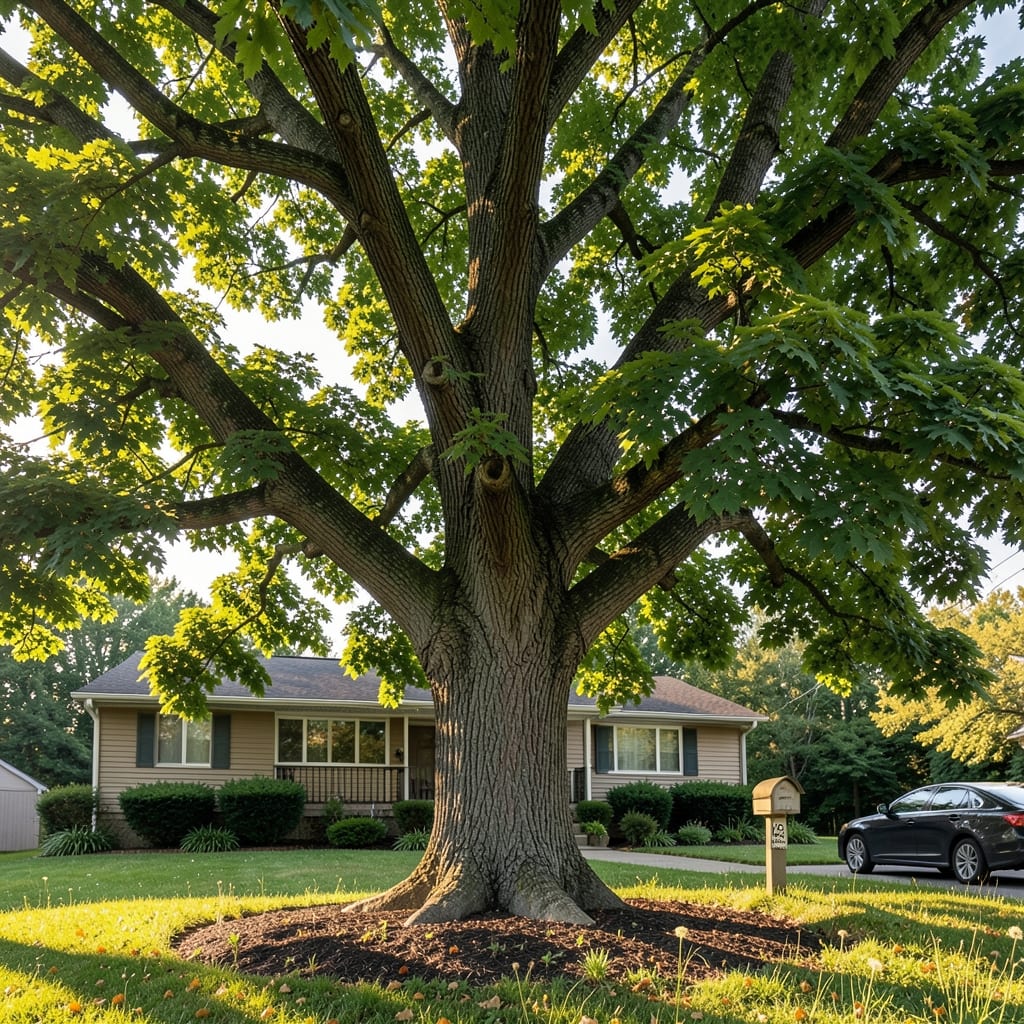
If you're dreaming of planting an American Elm Tree 🌳 but wondering "how tall do American Elm trees grow?", you're about to get the full picture—because these trees don't just reach for the sky; they dominate it. Mature specimens can soar between 60 and 80 feet, making them one of the tallest native trees in North America, but their growth isn't just about height—it's about patience, space, and the right conditions.
What surprises most gardeners is how quickly these trees grow in their early years—up to 3 feet annually—before slowing as they mature. But here's the catch: their towering stature means they're not a casual backyard addition. Whether you're in USDA Zone 6a or another suitable climate, understanding their growth habits will help you decide if your property can handle their presence—or if you need to plan for pruning to keep them in check.
Beyond just height, the American Elm's growth depends on soil quality, sunlight, and even your local microclimate. In urban settings, for example, they might struggle to reach their full potential due to pollution or limited root space. I'll show you how to maximize their growth—or control it—so you can enjoy their shade without sacrificing your driveway.
Ready to learn how to make the most of an American Elm in your landscape? Let's break down everything you need to know, from spacing and pruning tips to choosing the right spot for your future giant. Spoiler: it’s not just about the height—it’s about the legacy.

American Elm tree height: average growth limits and skyward potential
If you’ve ever admired the American Elm (Ulmus americana) with its elegant, vase-shaped canopy, you might wonder just how tall these trees can grow. On average, mature American Elms reach 60 to 80 feet in height, with some exceptional specimens soaring even higher under ideal conditions. This makes them one of the tallest native trees in the U.S., rivaling giants like the White Oak or Tulip Poplar.
But their height isn’t the only factor to consider. Growth rate plays a crucial role in planning. Young American Elms grow 2 to 3 feet per year during their first decade, then slow to 1 to 2 feet annually as they mature. This steady climb means a 10-year-old tree could already be 20 to 30 feet tall, requiring careful spacing from day one.
The tallest recorded American Elm on record stands at a staggering 100 feet, found in a rural setting with deep, nutrient-rich soil and minimal competition. However, urban environments often limit their height due to root restriction, pollution, and pruning constraints. Even in cities, well-maintained specimens can still reach 50 to 60 feet.
| Stage | Height Range | Growth Rate | Key Factors |
|---|---|---|---|
| Year 1-5 | 2–15 ft | 2–3 ft/year | Fast juvenile growth |
| Year 6-15 | 15–40 ft | 1–2 ft/year | Slower but steady |
| Year 16+ | 40–80+ ft | 0.5–1 ft/year | Mature growth slows |
| Record Specimens | Up to 100 ft | Varies | Optimal conditions |
Several factors influence how tall your American Elm will grow. Soil quality is critical—these trees thrive in moist, well-drained soil with high organic matter. Poor soil can stunt growth by 30% or more, while rich, loamy soil encourages rapid vertical expansion. Sunlight exposure also matters: full sun (6+ hours daily) maximizes growth, while shade can limit height to 40 to 50 feet.
Another key factor is cultivar selection. Traditional Ulmus americana varieties grow the tallest, but Dutch Elm Disease-resistant cultivars like 'Valley Forge' or 'New Horizon' may reach only 40 to 50 feet while offering better disease resistance. If you’re planting in an urban area, these shorter varieties can be a game-changer for space constraints.
Climate and water availability also play a role. In arid regions, American Elms may grow more slowly and stay shorter due to water stress. Conversely, in humid, temperate zones like the Midwest or Northeast, they can achieve their full 60 to 80-foot potential. Always check your USDA hardiness zone—these trees thrive in zones 4 through 9.
Before planting, measure your yard’s available space. A mature American Elm needs at least 50 feet of clearance from structures, power lines, and sidewalks. If your space is limited, consider pruning strategies or smaller alternatives like the Siberian Elm, which stays under 30 feet. Proper planning now will save you headaches—and potential lawsuits—later.
One common misconception is that American Elms grow indefinitely. While they can live for 200+ years, their height increase slows dramatically after 30 to 40 years. Focus instead on maintaining their structural integrity and health to ensure they reach their full height potential safely.
If you’re ready to plant, choose a healthy sapling from a reputable nursery and give it room to grow. With the right conditions, your American Elm could become a century-old landmark in your landscape—just don’t forget to account for its skyward ambitions!
How to manage American Elm tree height for small yards or urban spaces
If your yard is on the smaller side or you're planting in an urban environment, managing the height of an American Elm becomes a top priority. While these trees can reach 60 to 80 feet under ideal conditions, strategic pruning and cultivar selection can keep them more manageable without sacrificing their beauty or health.
First, consider planting disease-resistant cultivars like 'Valley Forge' or 'New Horizon', which typically max out at 40 to 50 feet. These varieties offer the same elegant shape and shade benefits but with a more compact stature—perfect for suburban yards or city lots where space is limited.
For established trees, pruning is key. The best time to prune is late winter or early spring, before new growth begins. Remove dead, diseased, or crossing branches first, then selectively trim to shape the tree. Avoid heavy pruning in summer or fall, as this can stress the tree and encourage weak, disease-prone growth.
Pruning American Elms: Pros and Cons
✅ DO:
- Prune in dormant season (late winter/early spring)
- Remove dead/diseased branches first
- Use clean, sharp tools to prevent damage
- Space cuts evenly to maintain balance
- Choose resistant cultivars for urban areas
❌ DON'T:
- Prune in summer/fall (encourages weak growth)
- Remove too many branches at once (stresses tree)
- Use dull tools (tears bark, invites disease)
- Ignore Dutch Elm Disease signs (act fast!)
- Plant near power lines (safety hazard)
When pruning, focus on structural integrity. American Elms have a natural vase-shaped canopy, so aim to maintain that shape while removing any branches that could become hazardous. Never remove more than 25% of the canopy in a single year—this can shock the tree and leave it vulnerable to pests and diseases.
For urban gardeners, root management is just as important as pruning. These trees have extensive root systems that spread 1.5 to 2 times the tree's height. If planting near sidewalks or driveways, consider installing root barriers to prevent damage while still allowing the tree to establish itself.
Another smart strategy is to plant smaller alternatives if space is extremely limited. While nothing replaces the iconic American Elm, trees like the Siberian Elm (up to 30 feet) or Patriot Elm (hybrid, disease-resistant) offer similar benefits with a more manageable footprint. Always measure your space carefully before committing to a large specimen.
Remember, even with careful management, an American Elm will eventually reach its mature height. If you're planting near structures, consult a certified arborist to assess your site and recommend the best approach for your specific conditions. With the right care, you can enjoy the beauty of this historic tree without letting it overwhelm your landscape.