
How To
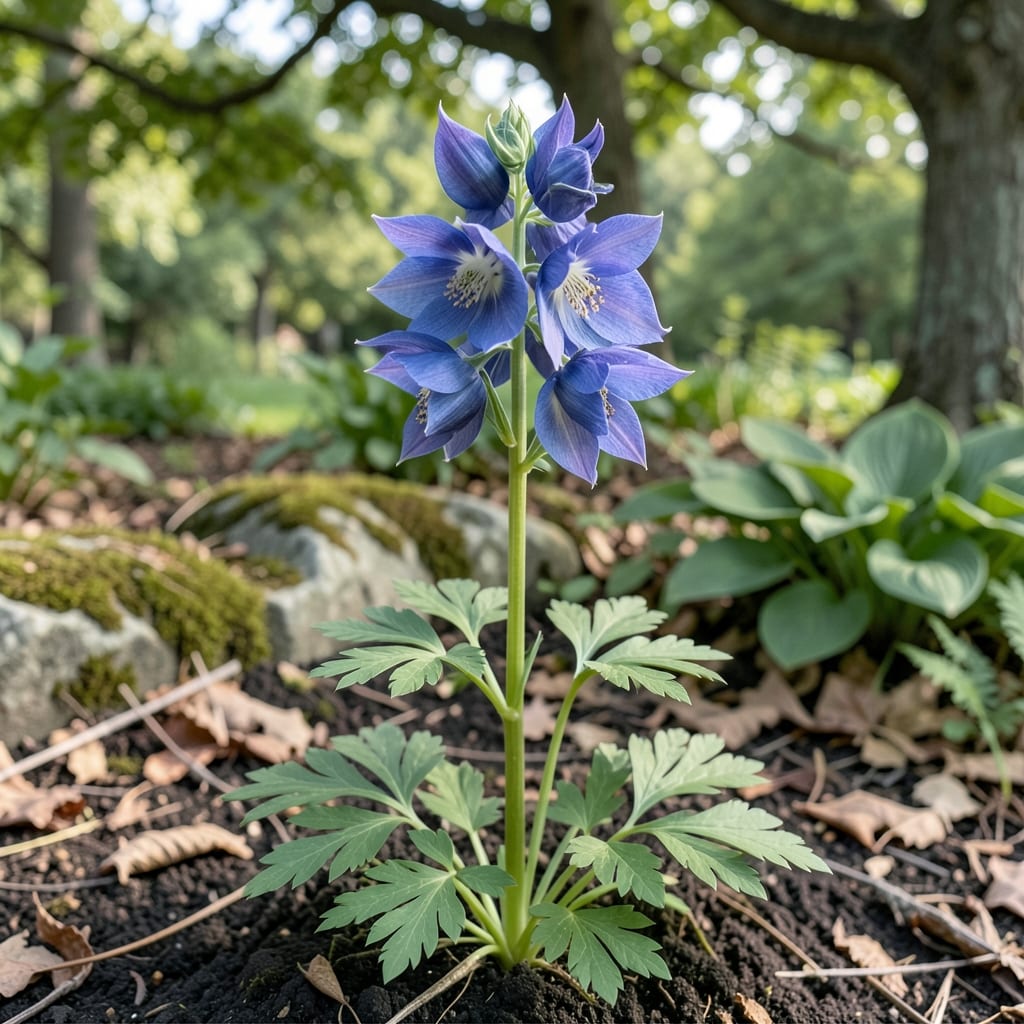
If you're planning your garden beds and wondering "how tall do Aquilegia grow", you're in the right place. This charming 🌸 Columbine can surprise you with its height—some varieties stay compact, while others reach nearly waist-high, creating stunning vertical interest.
For gardeners in USDA Zone 6a, where spring planting begins in March-April, knowing these height ranges helps with spacing and companion planting. Dwarf types like ‘Little Lantern’ stay between 12-18 inches, while tall hybrids can stretch 24-36 inches—perfect for adding drama to borders or woodland gardens.
But here's the catch: sunlight and soil play a huge role. Too much direct sun can make them leggy, while rich, well-draining soil encourages stronger stems. I'll show you how to keep them thriving at their ideal height—whether you want them short and sweet or reaching for the sky.
Ready to plan your Columbine layout? Let's break down the exact heights by variety and how seasonal conditions can influence their growth—so you can create a garden that's both beautiful and practical.


Aquilegia height by variety: dwarf to towering types explained
When planning your garden, knowing how tall Aquilegia grow helps you choose the perfect spot for these stunning 🌸 columbines. Heights vary dramatically—from tiny woodland varieties to towering hybrids that reach nearly 3 feet. The key is selecting the right type for your space and light conditions.
Dwarf varieties like 'Little Lantern' stay between 12-18 inches, making them ideal for rock gardens or container planting. Meanwhile, tall cultivars like 'McKana's Giant' can stretch 24-36 inches, perfect for adding vertical interest to borders or cottage-style gardens.
Here's a quick comparison of popular Aquilegia varieties and their mature heights:
| Variety | Mature Height | Growth Habit | Best For |
|---|---|---|---|
| Aquilegia canadensis | 12-18 inches | Clumping, bushy | Woodland gardens |
| Aquilegia vulgaris | 18-24 inches | Upright, spreading | Cottage gardens |
| Aquilegia formosa | 24-30 inches | Tall, elegant | Back of borders |
| 'McKana's Giant' | 24-36 inches | Tall, sprawling | Cut flowers |
| 'Little Lantern' | 8-12 inches | Compact, bushy | Containers, rock gardens |
The height of Aquilegia isn't just about variety—it's also influenced by how you grow them. For example, 'McKana's Giant' can get leggy in full sun, while 'Little Lantern' thrives in partial shade. I've found that providing morning sun and afternoon shade keeps most varieties at their ideal height.
If you're growing Columbine for cut flowers, taller varieties like 'McKana's Giant' are your best bet. Their 24-36 inch stems provide long-lasting blooms in arrangements. For ground cover or border edges, shorter types like 'Little Lantern' create a lush, low-maintenance look.
One thing to watch is how Aquilegia spreads. While they don't grow wide like peonies, their clumping habit means they'll gradually fill space. Give them 12-18 inches of space between plants to prevent overcrowding, which can stunt growth and reduce flower production.
For gardeners in USDA Zone 6a, where I grow mine, the height difference between varieties is especially noticeable. In my own garden, the 'Little Lantern' stays perfectly proportioned in a 10-inch pot, while the 'McKana's Giant' reaches my waist when planted in the ground—making it a stunning focal point.
Remember, these heights are for mature plants. In their first year, Aquilegia typically grows 12-18 inches regardless of variety. By year two, they'll reach their full potential height, so be patient if your plants seem short at first.
How seasonal conditions affect Aquilegia growth height
Seasonal conditions play a huge role in determining how tall your Aquilegia will grow. Sunlight exposure, soil moisture, and climate zones can all push your plants toward their maximum height—or keep them shorter and bushier. For example, full sun can make some varieties grow 10-15% taller, while partial shade encourages a more compact form.
In USDA Zones 3–8, where most gardeners grow Aquilegia, the spring growing season is critical. If you plant in March-April (like I do in Zone 6a), your columbines will experience rapid early growth. However, excessive heat in summer can stress plants, causing them to bolt or flop—reducing their structural integrity and height potential.
Here’s the key: Well-draining soil with moderate moisture (not soggy!) helps stems stay strong. Boggy conditions can lead to leggy, weak growth, while dry spells may stunt height. I’ve seen ‘McKana’s Giant’ reach 36 inches in rich, moist soil—but only 24 inches in dry, sandy beds.
⚠️ Avoid These Mistakes
Too much sun can cause sunburned leaves and reduced blooms, while overwatering leads to root rot and weak stems. In hot climates, mulch heavily to retain moisture and prevent height loss from stress.
Pruning and staking also influence height. If you deadhead spent blooms regularly, your Aquilegia will focus energy on new growth rather than seed production, often resulting in taller, fuller stems. For varieties like ‘Nancy’ (which tops out at 24 inches), I use light bamboo stakes to support them without restricting airflow.
Finally, climate zone matters. In cooler northern zones (3–5), Aquilegia may grow shorter due to shorter growing seasons, while warmer southern zones (7–8) can push heights higher—if given the right care. Always check your local last frost date (like April 15 in Zone 6a) to time planting for optimal height.
By adjusting light, water, and soil, you can guide your Aquilegia’s height—whether you want a low border plant or a dramatic backdrop. The right conditions turn these delicate flowers into garden stars! 🌿