
How To
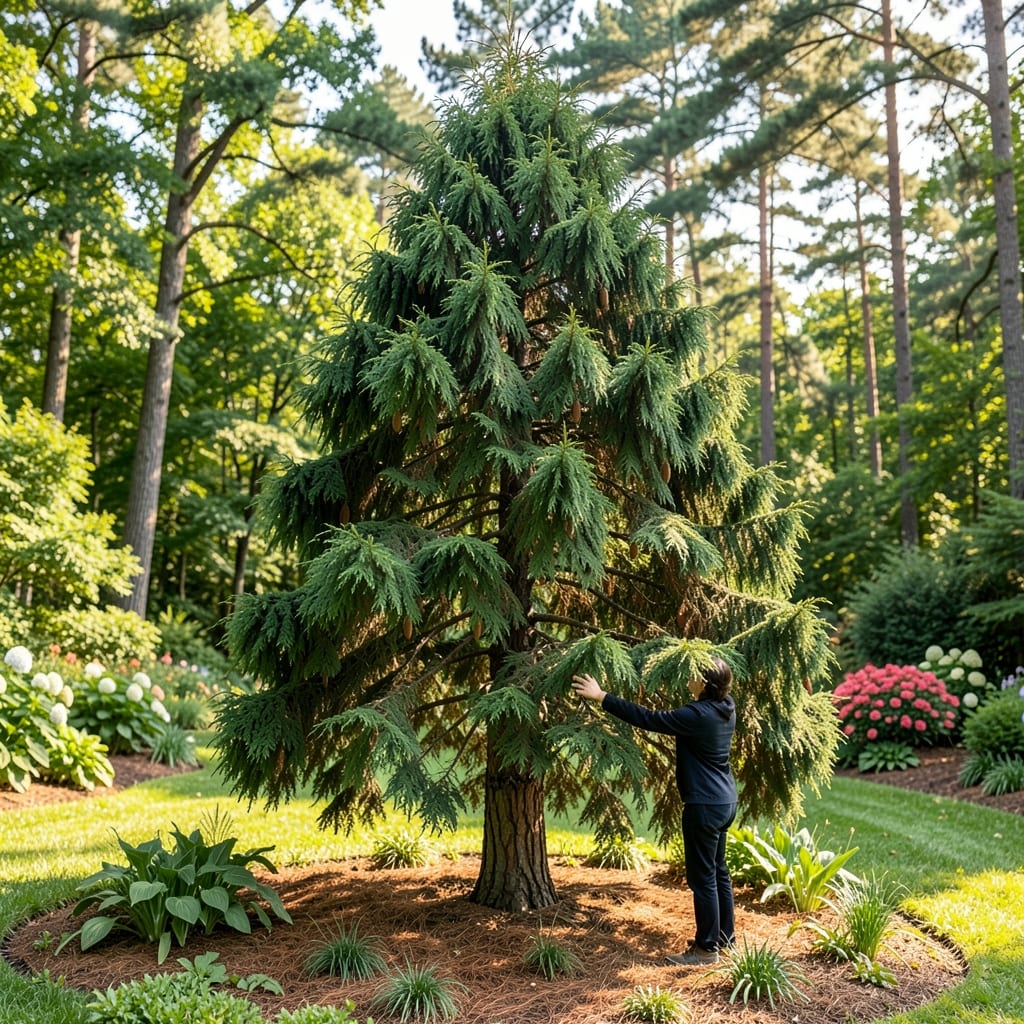
If you're planning to add arborvitaes 🌲 to your yard, you're probably wondering how tall they'll grow—and whether they'll dwarf your home or fit neatly into your landscape. The truth is, these evergreen favorites come in a surprising range of sizes, from petite shrubs to towering trees that can reach 60 feet or more.
Choosing the right variety is the key to long-term satisfaction. Some arborvitaes stay compact, perfect for small gardens, while others grow into majestic trees that need plenty of space. Whether you're working with a tight backyard or a sprawling property, understanding these differences will help you make the best choice.
In this guide, I'll break down the height ranges of popular arborvitae varieties, including Green Giant and Emerald Green, so you can visualize how they'll look in your space. You'll also learn how sunlight, soil, and pruning habits can influence their growth—plus practical tips to keep them at your desired height.
Ready to pick the perfect arborvitae for your yard? Let's dive into the details so you can plant with confidence and enjoy your evergreen beauty for years to come.


Arborvitae height by variety: from dwarf to giant trees
Arborvitaes are incredibly versatile, with varieties that span from 3-foot dwarf shrubs to 60-foot towering trees. The right choice depends on your space and vision—whether you want a privacy screen, a hedge, or a statement tree. Let’s explore the most popular arborvitae varieties and their mature heights, so you can plan your landscape with precision.
One of the most common questions I hear is, "Will this arborvitae outgrow my yard?" The answer depends entirely on the cultivar. For example, the Emerald Green arborvitae stays compact at 12-15 feet tall, making it ideal for tight spaces, while the Green Giant can reach 40-50 feet—taller than most two-story homes! Understanding these differences upfront saves headaches later.
Below is a quick reference table for 12+ arborvitae varieties, including their mature heights, growth rates, and ideal planting zones. This will help you visualize how each will look in your landscape and whether it suits your space.
If you're planning a privacy screen, the Green Giant is a top choice—it grows 3-4 feet per year and can create an impenetrable barrier in just a few years. For smaller spaces, the Emerald Green or Leap Year arborvitaes offer elegant
Arborvitae height by variety: from dwarf to giant trees
Arborvitaes are incredibly versatile, with varieties ranging from dwarf shrubs to towering trees. The Green Giant, for example, can reach 40-60 feet tall—taller than most two-story homes—while Emerald Green stays a modest 12-15 feet. Choosing the right type depends on your space and vision for your landscape.
Here’s a quick look at how mature height varies by variety, along with their ideal uses. Some arborvitaes grow slowly, making them perfect for small yards, while others shoot up quickly, requiring careful planning to avoid overcrowding.
🌱 Did You Know? The American Arborvitae (Thuja occidentalis) is the species behind most cultivars, but hybrids like Green Giant grow much faster due to selective breeding for height and density.
| Variety | Mature Height | Growth Rate | Best For |
|---|---|---|---|
| Emerald Green | 12-15 ft | Slow to moderate | Hedges, small yards |
| Green Giant | 40-60 ft | Fast | Privacy screens, large properties |
| American Arborvitae | 30-40 ft | Moderate | Wildlife habitat, natural landscapes |
| Teddy | 3-5 ft | Slow | Containers, small gardens |
| Little Giant | 10-12 ft | Moderate | Medium hedges, borders |
If you’re working with limited space, dwarf varieties like 'Teddy' or 'Golden Globe' (3-5 feet tall) are ideal. They grow slowly and stay compact, making them perfect for containers or foundation plantings. On the other hand, if you need a fast-growing privacy screen, the Green Giant is a top choice—just be prepared to give it room to stretch!
Sunlight and soil also play a role in height. Arborvitaes thrive in full sun to partial shade, but those in bright, open spaces tend to grow taller and denser. Poor soil or shade can stunt growth, so always plant in well-draining soil with at least 6 hours of sunlight daily for optimal results.
For a balanced look, consider mixing varieties. A tall arborvitae like Green Giant as a backdrop with medium-height 'Little Giant' in front creates layers and visual interest. Just remember: spacing is everything to avoid overcrowding and ensure each plant gets the airflow it needs to thrive.
Still unsure which variety fits your yard? Start by measuring your space and sketching where you’d like the arborvitae to fit. Taller varieties need 10+ feet of clearance, while dwarf types can thrive in tight spots—just don’t skimp on soil prep or sunlight!