
Size
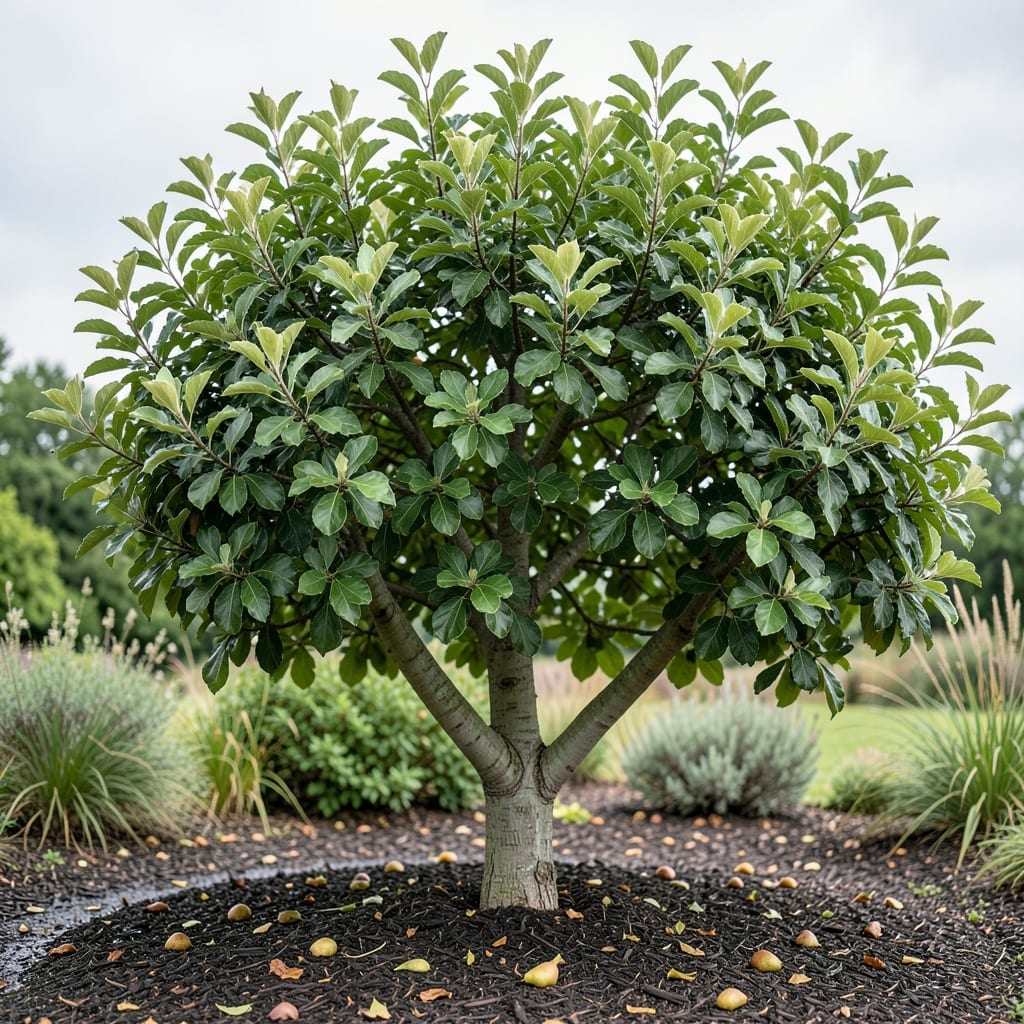
If you're wondering how tall do Asian Pear Trees grow, the answer might surprise you—these fruit-bearing beauties can range from compact 10-foot dwarfs to towering 30-foot giants, depending on the variety and care you provide. With the right choices, you can enjoy 🍐 harvests without sacrificing your backyard space, making them perfect for both urban gardens and rural plots in USDA Zone 6a.
For those short on space, varieties like 'Hosui' and 'Shinseiki' stay manageable at 12-18 feet, while standard types like 'Niitaka' can reach 25-30 feet—about the height of a two-story house. The key to controlling their growth lies in proper planting timing (spring, after frost) and strategic pruning, which we'll cover in detail.
What makes Asian pear trees especially appealing is their adaptability. Whether you're a beginner or a seasoned gardener, you can tailor their size to fit your landscape. Fast-growing varieties like 'Seigyo' mature in just 3-5 years, giving you quicker rewards without the wait. Let's explore how to choose the right size for your garden and keep these trees thriving.
From spacing tips to pruning secrets, you'll learn how to maintain your tree at your ideal height while maximizing fruit production. Ready to transform your outdoor space into a productive pear orchard? Let's get started.

Asian pear tree height guide: mature size ranges by variety
When planning your backyard orchard, knowing how tall Asian pear trees grow is essential for space management. These trees vary dramatically in height, from dwarf varieties that stay under 15 feet to standard trees reaching 30 feet or more. The variety you choose directly impacts your garden layout, fruit accessibility, and even pruning needs.
For example, the popular 'Hosui' variety typically matures at 12-15 feet, making it ideal for small yards, while 'Niitaka' can soar to 25-30 feet—requiring careful planning near your home or fence lines. Understanding these differences helps you select the perfect tree for your available space and aesthetic goals.
Below is a detailed breakdown of Asian pear tree height ranges by variety, including growth rates and mature sizes. This guide will help you visualize how each type fits into your landscape while maximizing fruit production.
As you can see, dwarf varieties like 'Hosui' and 'Seigyo' are perfect for small gardens or even container growing, while larger varieties like 'Niitaka' need ample space to thrive. The growth rate also varies—some varieties mature in just 3-4 years, while others take up to 8 years to reach full height.
When selecting a tree, consider not only its mature height but also how quickly it will grow. For example, 'Seigyo' reaches 12-16 feet in just 3-4 years, making it ideal if you want to enjoy fruit sooner. Meanwhile, 'Niitaka' takes longer but produces larger fruit, which may be worth the wait for those with space to spare.
Another factor to consider is pruning potential. Even standard varieties can be pruned to stay slightly shorter, though they'll still require more space than dwarf options. If you're unsure about your tree's final size, opt for a semi-dwarf variety like 'Shinseiki', which balances manageable height with robust fruit production.
For those in USDA Zone 6a, where Asian pears thrive, spacing is critical. Plant dwarf varieties 10-12 feet apart, semi-dwarfs 15-18 feet apart, and standard trees 20-25 feet apart to ensure proper airflow and sunlight penetration. Proper spacing also reduces the risk of disease and makes harvesting easier.
If you're still unsure which variety fits your space, start with a dwarf or semi-dwarf option. They offer the best of both worlds—compact size and abundant fruit—while requiring minimal pruning to maintain their height. Plus, they're easier to care for in smaller yards or urban settings.
Remember, the height of your Asian pear tree isn't
Fastest-growing Asian pear varieties that stay compact
If you're short on space but still want Asian pear trees that deliver quick harvests, focus on compact varieties like 'Seigyo' and 'Kosui'. These high-yield trees mature in just 3-5 years while topping out at 12-18 feet, making them perfect for small backyards or urban containers. Their rapid growth means you won't wait decades for fruit—just 3-4 seasons to enjoy sweet, crisp pears.
Another standout is 'Hosui', a semi-dwarf variety reaching 15-18 feet with a spreading canopy that fits neatly into landscapes. It thrives in USDA Zone 6a and produces abundant fruit early, often by year 4. For those with even tighter spaces, 'Shinseiki' stays under 12 feet while still yielding 20-30 pounds of pears annually—ideal for patio gardens.
What makes these varieties so appealing is their balanced growth rate. Unlike standard trees that take 10+ years to mature, these compact options combine speed with manageable size. Plus, their dwarf rootstocks allow for easier pruning and maintenance, reducing long-term upkeep. Whether you're a beginner or a seasoned gardener, these trees prove you don’t need a large plot to grow your own pears.
Compact Asian Pear Varieties: Growth & Yield Ratings
When selecting a compact variety, prioritize rootstock type. Dwarf rootstocks (like M9 or B9) keep trees under 12 feet, while semi-dwarf rootstocks (like MM106